“It is entirely possible that no resolution will be approved tomorrow. Right now, the necessary support is being sought in ECR [Giorgia Meloni’s group] and Patriots [Vox’s group], because an agreement with the socialists is already ruled out. And it may eventually pass, but it is difficult.” Sources from the European People’s Party (EPP) explained this to EL MUNDO late yesterday afternoon regarding the status of their resolution supporting Ceuta, which is being voted on this Thursday in the European Parliament.
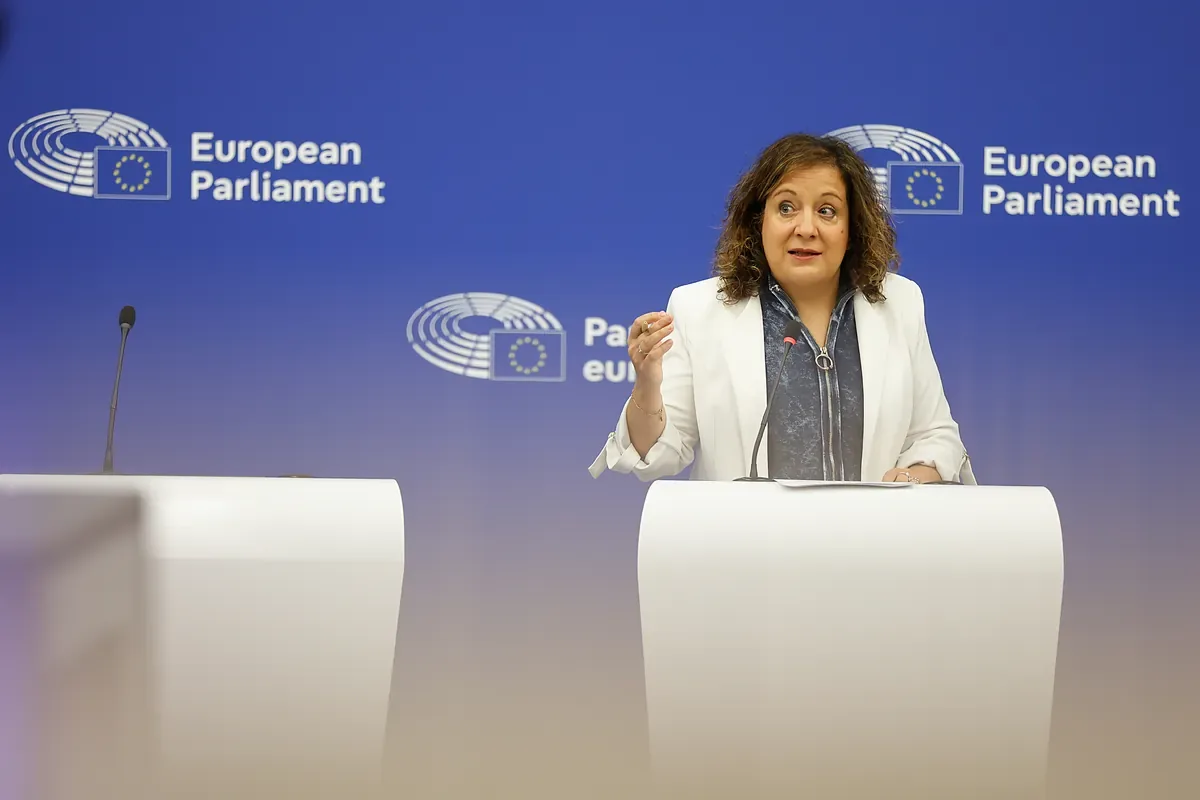
What is ruled out is a joint resolution, something that the S&D president, Iratxe García, already rejected on Tuesday. The European socialists do not want a harsh text on Morocco; they have copied the arguments of the PSOE and the Spanish Government and, in fact, their proposed resolution barely mentions the country once and, of course, there is no hint of criticism of its role in the invasion of Ceuta. Moreover, what the European socialists propose is to praise the work of the Moroccan authorities in “the rapid return of the vast majority of those who had crossed irregularly.”
The remaining alternative, therefore, is for the specific resolution of some group to pass, something very, very difficult since usually the other groups reject texts that are not theirs or, at least, joint. What the EPP is now focusing on is trying to agree on some points of its statement with the so-called Venezuela majority and even get some liberals and socialists to support them. But it is by no means clear that the popular text will succeed and, in any case, this situation contrasts with the very clear and direct statement made yesterday by the Commission president, Ursula von der Leyen, in the same European Parliament.
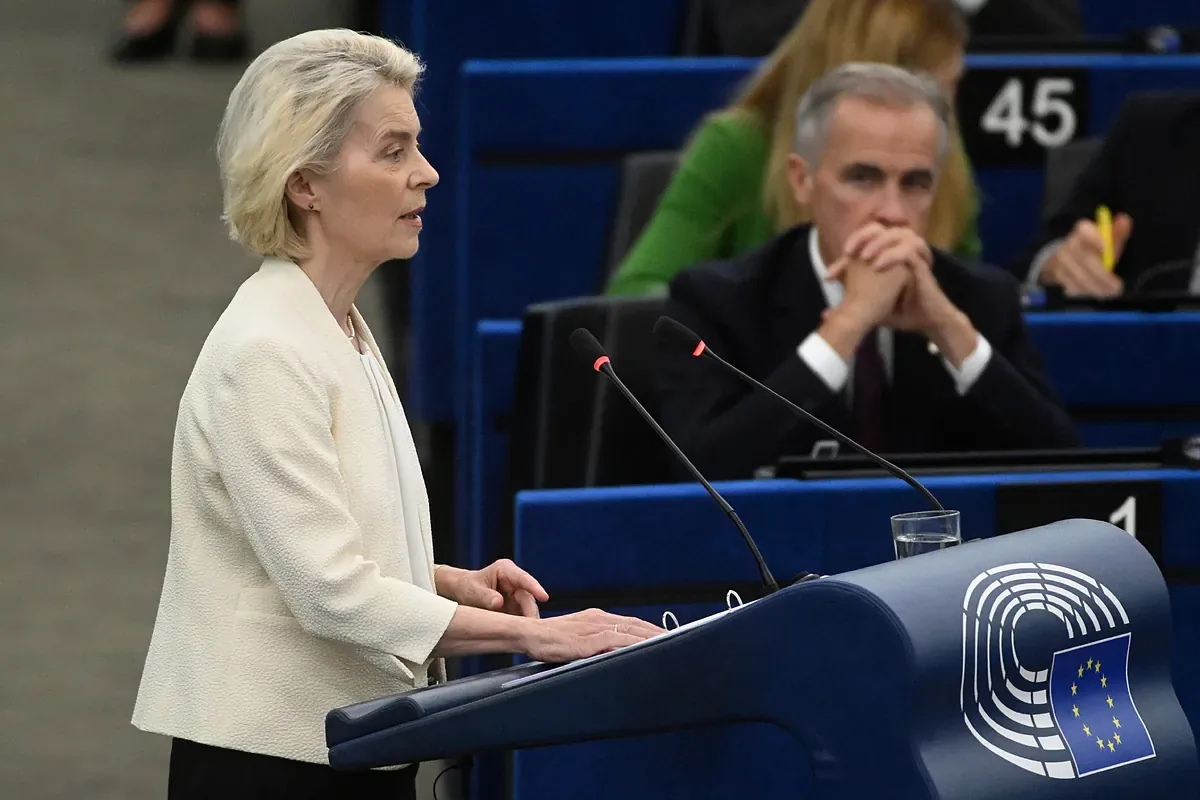
“All our external borders are European borders. That is why I want to address the people of Spain directly. The border of Ceuta is a European border. Because Ceuta is Spain. Ceuta is Europe. And Europe will stand by your side,” Von der Leyen assured during her speech on the State of the European Union. Moreover, the president presented a new “European Emergency Response Framework” that “will allow temporary and strictly limited flexibility” in crisis situations like the one the autonomous city suffered. In terms of returns, for example, allowing the country to return illegal immigrants more quickly or even immediately.
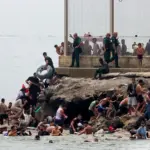
And although it is a minor issue, the Parliament itself denounced yesterday the instrumentalization of migration as a “hybrid war” weapon to destabilize EU countries, and called for an “independent and thorough” investigation to determine responsibility for the massive arrival of immigrants to Ceuta. But the resolution, which is something the autonomous city’s own president, Juan Jesús Vivas, strongly requested, is complicated to pass.
If it does not finally pass, two interpretations are being made these days in Strasbourg about what it would mean. On a national level, it is pointed out that the president of the Popular Party, Alberto Núñez Feijóo, will be able to use the PSOE’s refusal when he visits Ceuta next week to attack the Prime Minister, Pedro Sánchez. And from a European point of view, it must be taken into account that not everyone in the EPP was convinced of the appropriateness of pushing a resolution on Ceuta at this moment. They considered, and still do, that it was not a good idea to confront the socialists just before negotiating the renewal of the presidency of the European Parliament itself and also of the European Council. And if there is no kind of statement, the process will be easier although at the cost of not showing a position on the invasion that part of the Spanish and, consequently, European territory suffered.