







The fire season in Australia was especially cruel in the summer of 2019-2020. The so-called “Black Summer” was a catastrophe. In December, the fires had been ravaging the country for weeks: deaths, evacuations, panic. Thousands of firefighters and volunteers fought day and night against flames that would end up destroying 24 million hectares. In the midst of it all, the prime minister, Scott Morrison, went on vacation. When the pressure for him to return became unbearable, he gave an interview from Hawaii in which he tried to explain why his absence should not be a cause for reproach, much less scandal: “I don’t hold a hose, mate.” Something like “I don’t hold the hose.” In one thing he was right. No one expected the prime minister to appear in the forest as just another firefighter. What was hard to understand was that no one reproached him for not being on the front lines putting out flames, but for being on vacation while his country was burning. The phrase caused a scandal, not because it was untrue, but because it reflected an attitude: negligence can be forgiven, but indifference is a character problem.
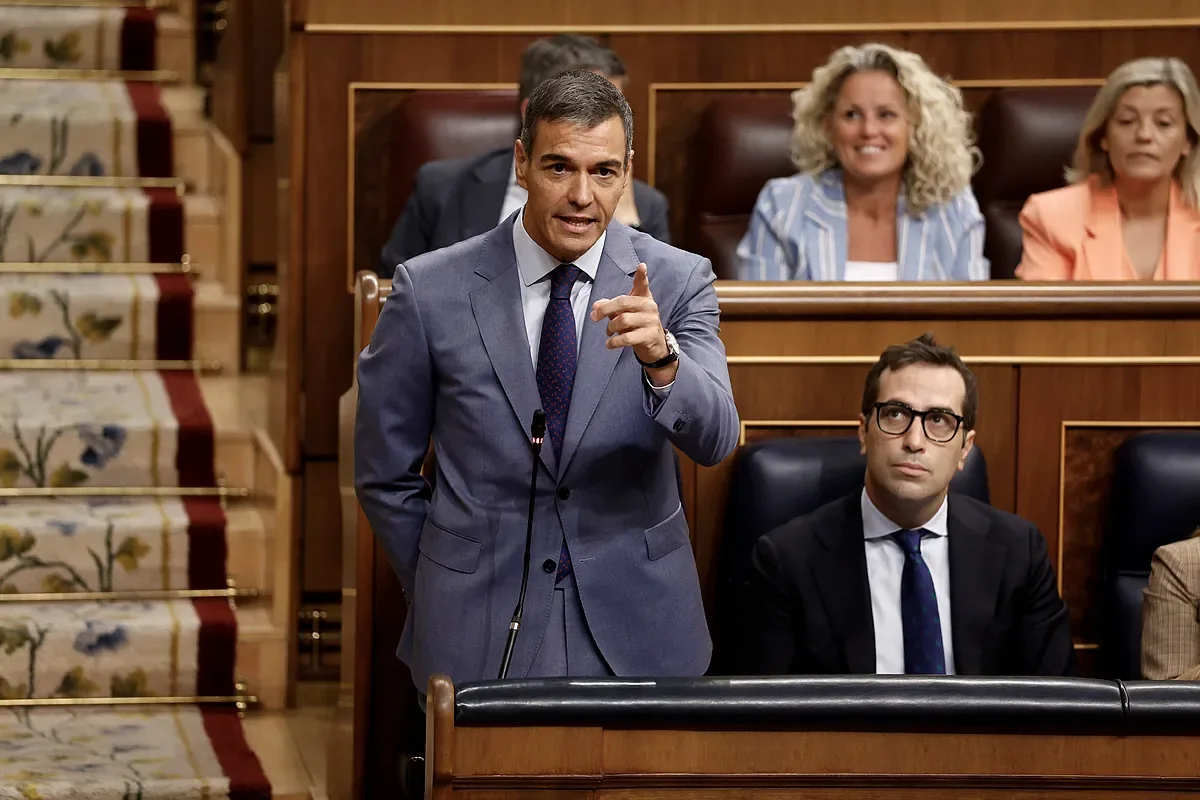
In these years, Pedro Sánchez has given us phrases that also reveal his emotional disorientation in the face of responsibility: “if they need more resources, let them ask for them,” “it’s five o’clock and I haven’t eaten,” or his recent claim to the right to rest during his vacations. The day before yesterday, when a journalist asked him about the thousand minors still wandering the streets of Ceuta, he replied: “That, ask Vivas.” Again a sign of disconnection. Sánchez hides behind the fact that the government is not responsible for minors. It doesn’t matter. The issue is not which administration is competent, but what the president’s response reveals.
Sánchez and his circle are upset with Juan Jesús Vivas, president of Ceuta. Just listen to his ministers or read his court journalists to realize that the strategy is to point to Vivas. The plan is clumsy, but there is no other. At Moncloa they are bewildered to see that a man like Vivas – 73 years old, discreet charisma, and limited communicative resources – is winning the famous narrative against Mr. Handsome. But the reason is extraordinarily simple: Vivas has something Sánchez does not. Vivas cares about Ceuta.
This does not mean he is right about everything – caring does not mean being right – but it is evident that Ceuta is his problem. It occupies him, worries him, he insists. His identification with the city precedes this crisis and will survive it. And this is impossible to fight. Sánchez’s problem with the problems of Spaniards is not that he doesn’t know how to manage them, but that they don’t seem to matter to him. And he is not always able to hide his indifference.
When asked about the minors and responding with disdain, “That, ask Vivas,” he is showing something difficult to fake: a disposition. The phrase is another way of saying “the pain of those people is not my concern.”
Sánchez intended to point to Vivas, but ended up granting him his main advantage. The phrase almost completed itself: “That, ask Vivas. Ask him.” Yes, ask Vivas. Because Vivas cares.
Read more Aznar accuses Sánchez of «betrayal» and calls to «deploy» the Army in Ceuta