


Lionel Messi, practically silent since Spain defeated Argentina in the World Cup final, is today a bundle of questions and unknowns. Has he played his last World Cup? Will he play for the Argentine national team again? How long does he plan to extend his career? Will he ever say what happened before the final with Spain, if anything happened?
Amidst the cold Argentine winter, Messi’s silence intrigues and confuses his compatriots, because the space left open by the national team captain is filled by conspiracy theories, which six days after the defeat at the gates of New York are still alive and strong.
Argentinians type “Messi” looking for information about the country’s great idol, and since there’s nothing, the response offers articles like “what Messi’s sisters-in-law do,” “what Funes, the town where the Messi mansion is located, is like,” and, precisely, “what the Messi mansion is like.” Virtual fodder to feed the algorithm and search engines.
Even so, the mansion is serious business: it’s inside a gated community on the outskirts of Rosario, it’s called ‘La Fortaleza’, it’s worth five million dollars, it has 25 rooms, a cinema, a gym, a games room, and an event hall, in addition to a football pitch.
But Messi is focused not on enjoying the mansion, but on being with his family. At the start of the World Cup, it was revealed that his father, Jorge, has significant health problems. The topic was not discussed again afterwards, but Messi was visibly affected in those first steps in the World Cup.
A campaign against Argentina
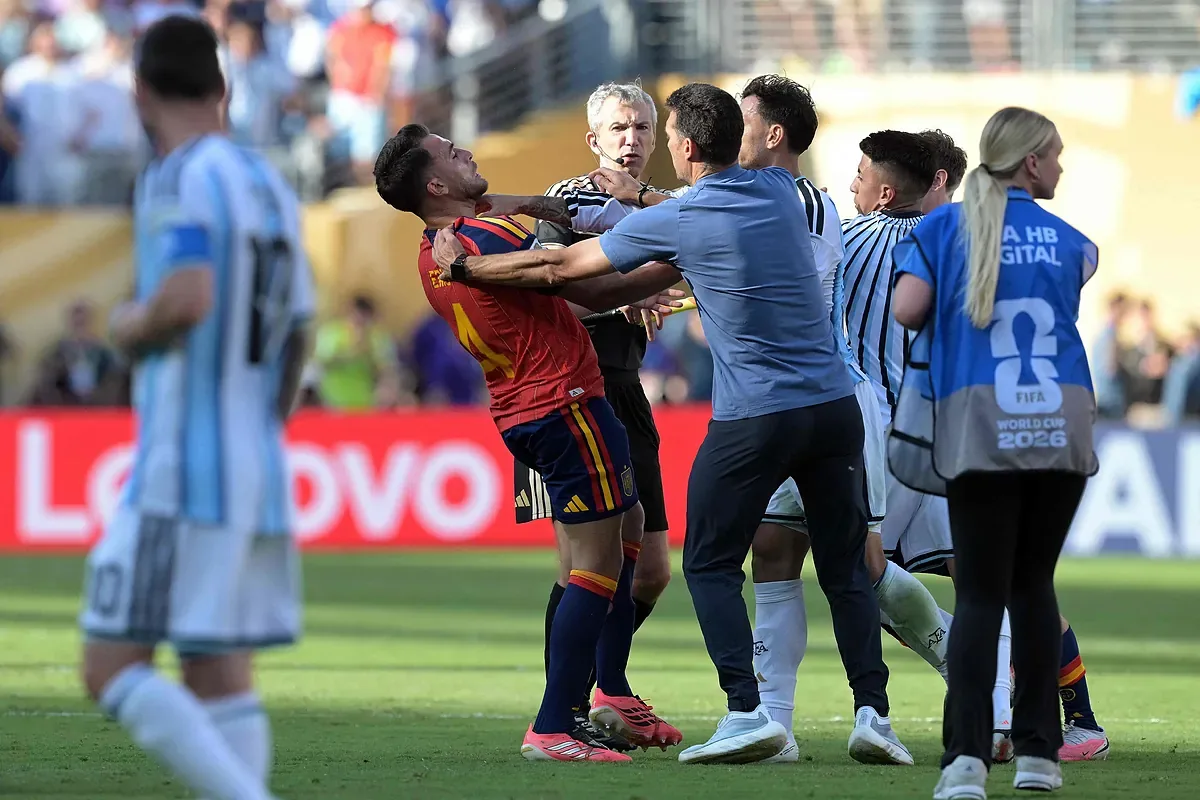
While Nicolás Otamendi, the defender who made his anger known to Rodri after the final whistle on Sunday, announced his retirement from the national team this Thursday, Messi’s last words were still the brief social media post from Sunday. There he said that the pain was “very great” and that it would be hard for the “wound to close”.
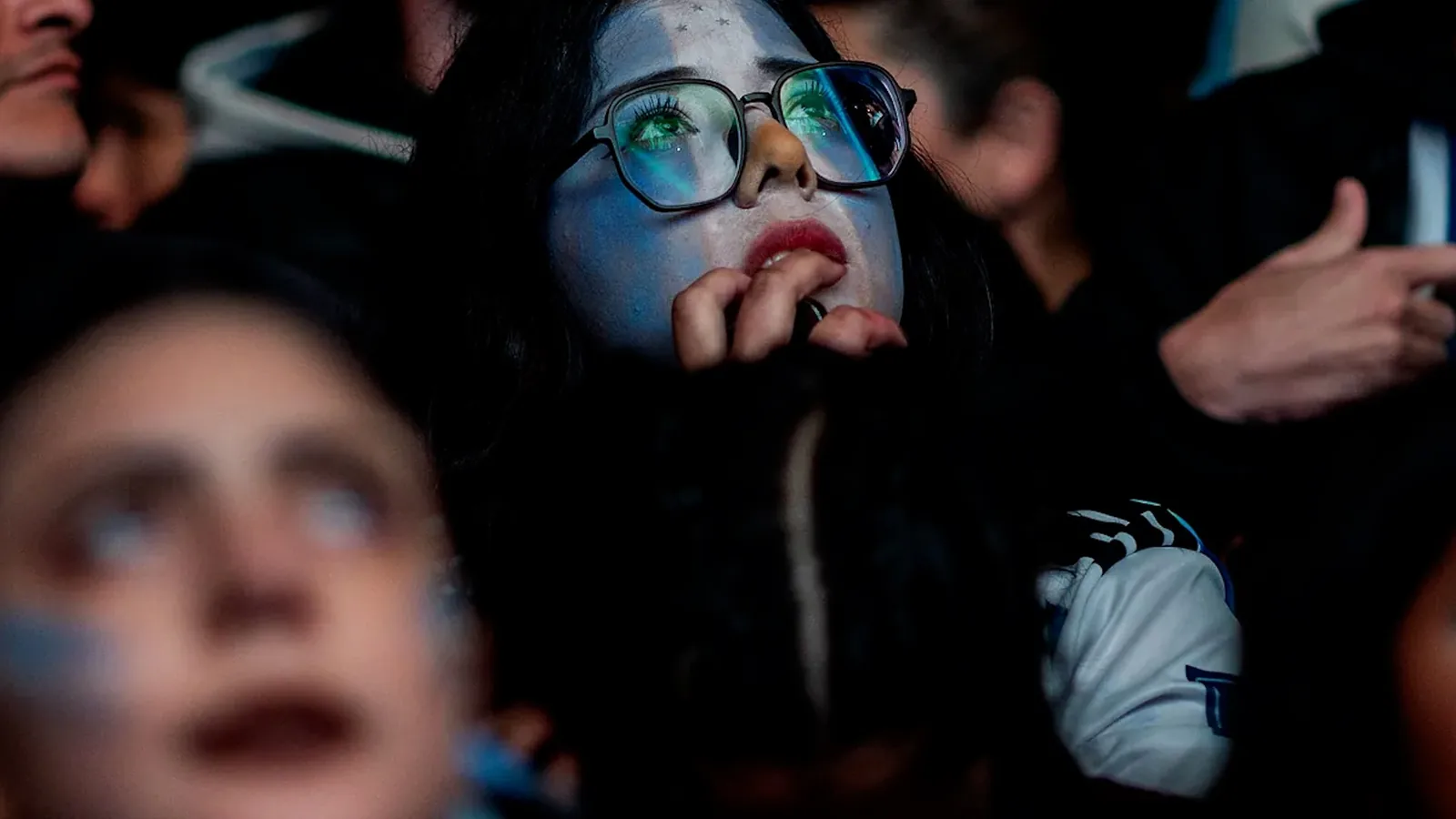
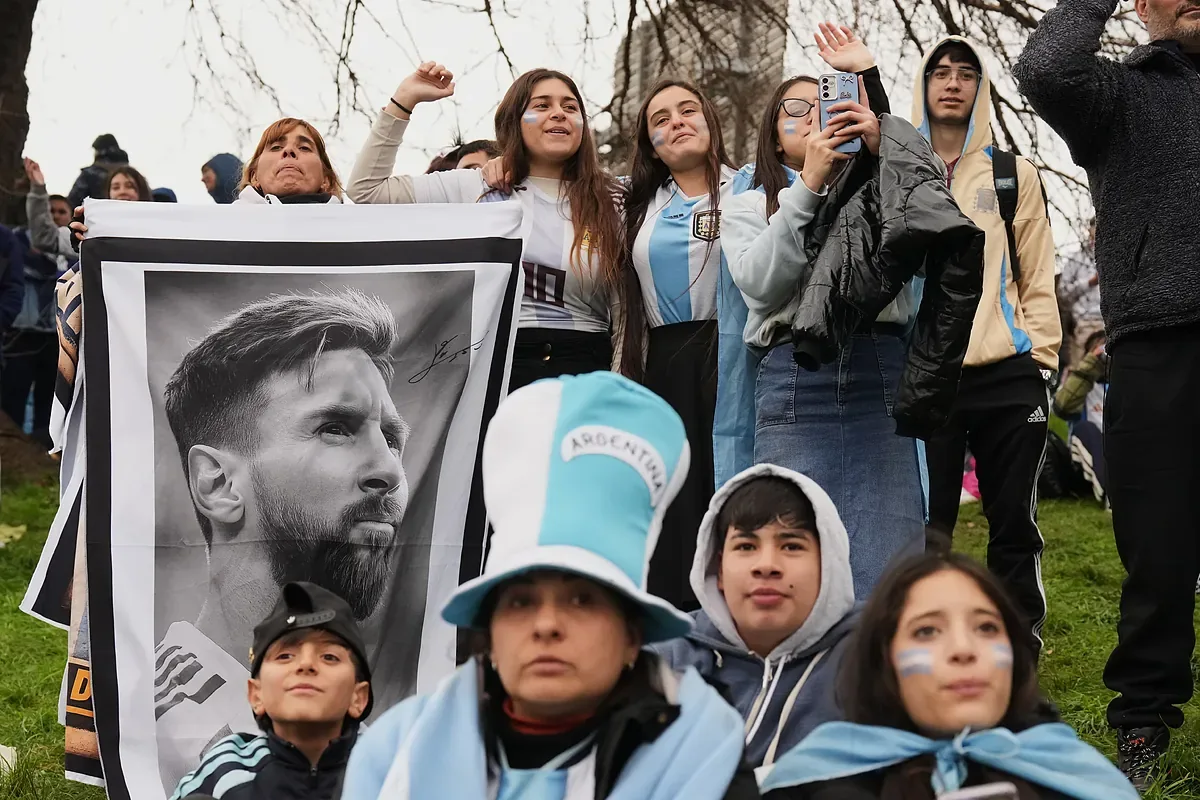
Argentinians anxiously await their captain’s word, the person with the most authority to speak not only about what happened before, during, and after the final, but also to address the striking phenomenon that is the wave of global criticism directed towards the Argentine national team and the country in general.
Interviewed by ‘La Nación’, Agustín Giménez, a specialist in sports marketing, AI, and digital business, stated that “the origin of the wave of insults and accusations against Argentinians is not one hundred percent organic, although the massification was”.
Today, the campaign doesn’t need to be big or expensive; it’s enough for a small core of accounts to coordinate the start, because the heavy lifting is done for free by the algorithm, the newspaper highlighted.
“It’s enough to sow indignation; the platform harvests and distributes it. About Argentina, 23.7 million posts were generated on X in one week, 49% more than about Spain, which was the champion. That volume is not produced by any paid operation; it’s produced by the system once the fuse is lit,” explained Giménez.
“The first pushes came from an identifiable group of accounts, many of them recently created, with no football history, simultaneously publishing the same hashtags and edited videos. And that is not the behavior of angry fans. Rather, it is the classic pattern of an amplification operation,” he added.
A street for Messi
Who benefited from the campaign? Firstly, the same accounts that managed to viralize their content, since the social network X pays users for interactions with their publications based on revenue sharing. And then, betting houses.
“The number of sponsored accounts or accounts linked to second or third-tier betting houses that were in the initial nodes of this campaign was striking. What this proves is that the hatred against Argentina had several business models operating at an algorithmic level, and none had an incentive to stop it,” concluded the expert.
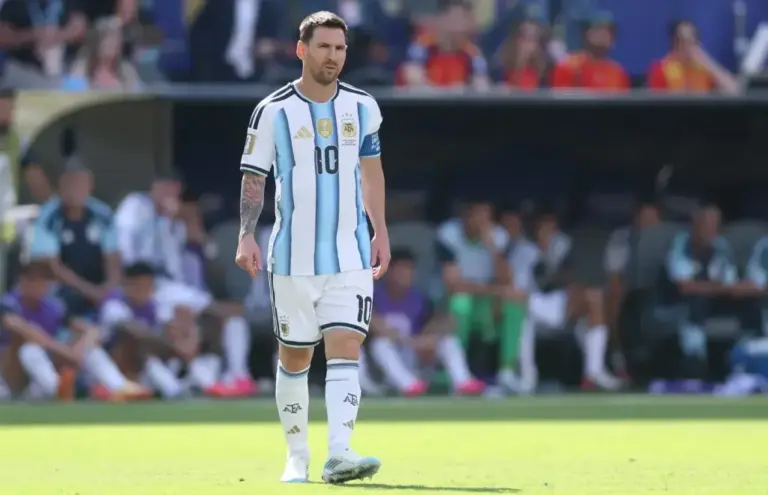
Despite the enormous tournament played by the “10” at 39 years old, the operation successfully targeted the greatest emblems of Argentine “soft power”: its football team and Messi, idolized in December 2022 in Qatar and reviled in July 2026 in the United States.
However, not everyone thinks the same. In Santa Fe, capital of the province to which Rosario belongs, a councilwoman from Javier Milei’s party proposed renaming a promenade, currently named after former Peronist president Néstor Kirchner, to Lionel Messi.
And, amidst Messi’s tight-lipped silence, one of his rivals, the Englishman Harry Kane, defeated 2-1 in the semifinal against Argentina, dedicated a post of sincere admiration to the Rosario native: “Growing up watching this man redefine what is possible in football… Leo, thank you for the memories, the rivalry, and for making this sport what it is today. It was an honor to call you a rival. Respect, forever.”
Read more Side effects of fires: smoke traveling hundreds of kilometers also harms the lungs and heart