



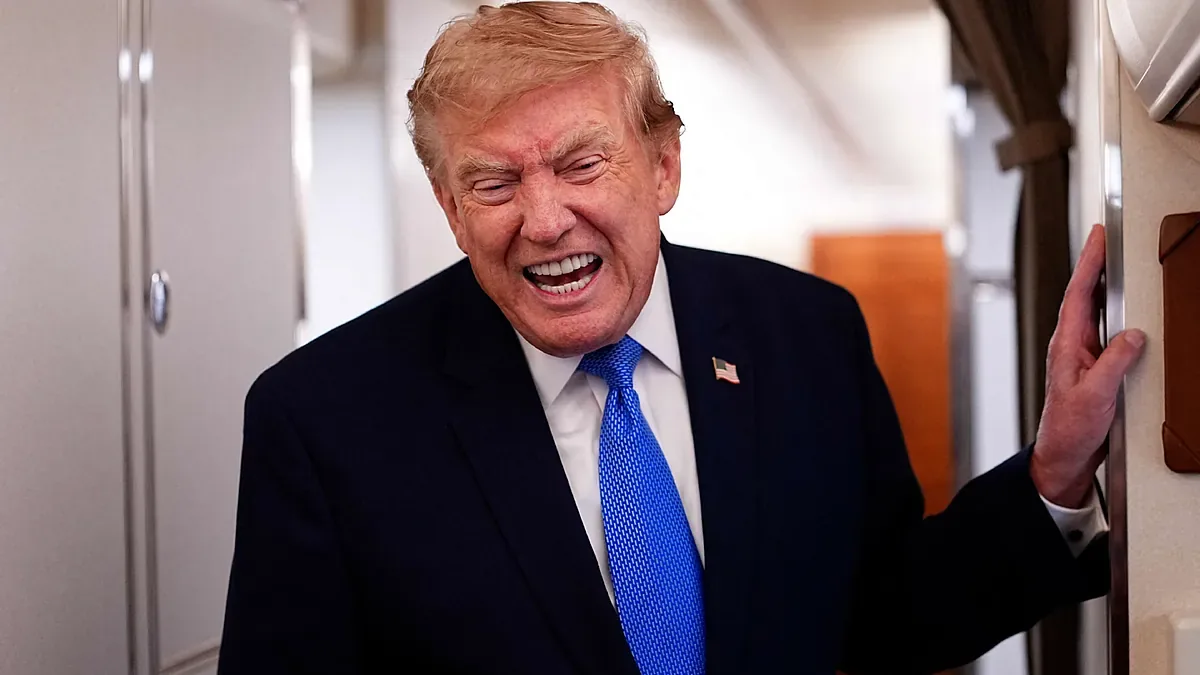
The Iranian regime assures that it is “currently” not “negotiating with the United States,” contradicting the announcement made a few hours ago by U.S. President Donald Trump, who stated that talks would resume this very Monday. As on previous occasions throughout this standoff between the diplomatic route and attacks since a ceasefire was announced in April, Trump claimed to have stopped a planned bombing against Iran to reach a “quick” agreement. “Obviously, they don’t want to be attacked,” said the U.S. leader. “Now, what we are doing is talking to them in the form of negotiation,” he assured.
Read more Zapatero appeals the judge’s authorization to investigate his and his associates’ bank accounts
“We are currently not negotiating with the United States. Now we are dialoguing with Oman to establish a safe transit route in the Strait of Hormuz,” said Foreign Ministry spokesman Esmaeil Baqaei, closing the matter. “We will not receive any delegation nor be invited to any country during these days,” he added, making it clear that Tehran does not believe a diplomatic rapprochement with Washington is in sight. Despite Iran’s denial, in recent hours no cross-attacks have occurred in or around Hormuz, indicating that while there is no return to the negotiating table, indirect dialogue between Washington and Tehran continues.
Later in the afternoon, at a press conference, Trump lashed out at Tehran’s stance and declared that the new negotiations, with which “Hormuz will be reopened and U.S. concerns about Iran’s nuclear program will be addressed,” will be “Iran’s last chance to sign a good document.”
“They ask for a meeting—some would say they beg—talks begin, with more planned for the near future, and they openly and proudly say they are not holding any negotiations, that nothing is being discussed, and that they are only dealing with Oman,” complained the U.S. president from the Oval Office, adding that he expects these new negotiations to start “in the coming days.” “Whether Iran wants to admit it or not, we are talking” to prevent the ayatollah regime from developing nuclear weapons.
“Obviously, they don’t want to be attacked,” said the U.S. leader. “Now, what we are doing is talking to them in the form of negotiation,” he assured.
Iran’s most conservative press opened the front page this Monday mocking the U.S. president’s attitude for supposedly canceling planned attacks against Iran on Sunday nights, just hours before international markets open and regional instability hits oil prices. The newspaper Hamshahri shows a car gear lever with the silhouette of the U.S. president, with the headline “Trump’s backtrack”. Meanwhile, the Kayhan newspaper attributes Trump’s decisions to the strength shown by the Iranian regime. “Iran’s power gave the response: neither the Strait of Hormuz nor Bab el-Mandeb have reopened. Trump has withdrawn his bluster.”
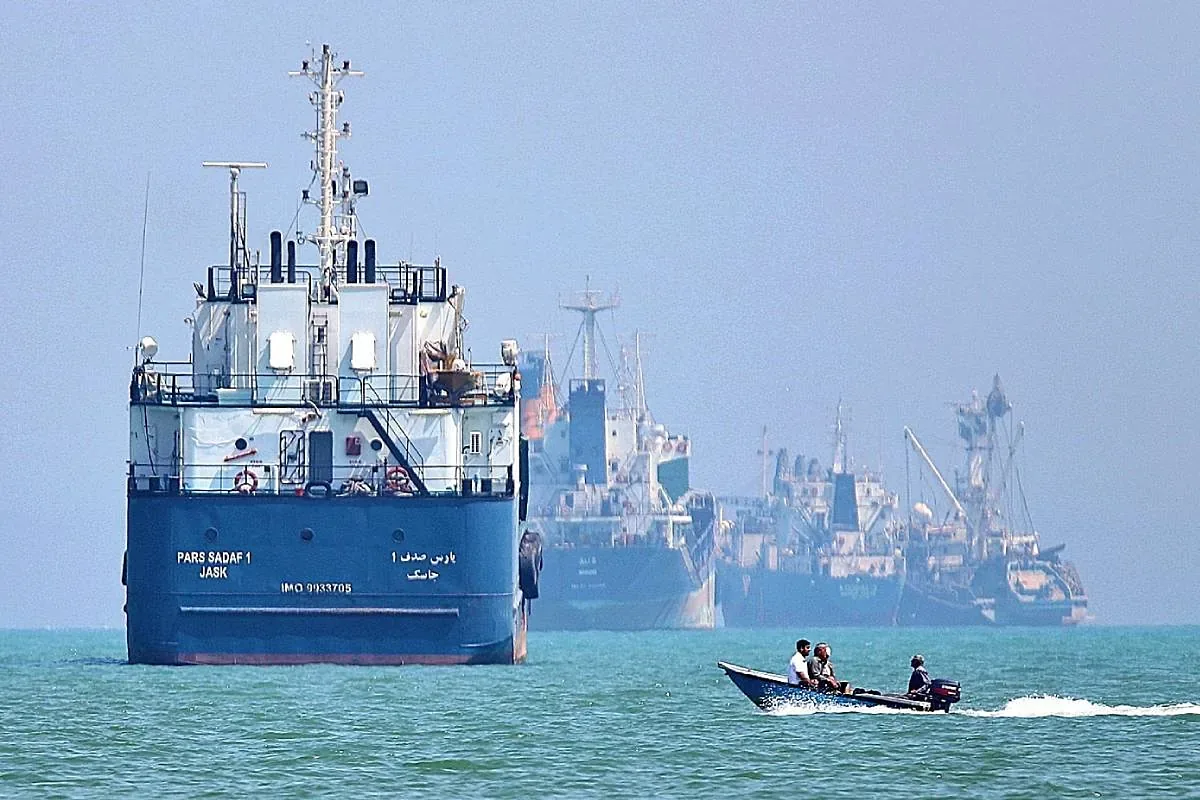
Since a truce was agreed upon in the war in early April and a Memorandum of Understanding was signed in June—to negotiate the main obstacles of the conflict—the United States and Iran have been constantly engaged in direct attacks, affecting Gulf countries as well as a U.S. base in Jordan. The Strait of Hormuz remains blocked, while a new hotspot has opened in the Red Sea, where the Houthi militia—an ally of Tehran—has launched a naval blockade against Saudi Arabia, a siege that has mobilized Riyadh to create an international coalition to confront the rebel group.
The pressure on Saudi Arabia was evident in recent days when six Saudi oil tankers changed course in the Gulf of Aden to avoid crossing the Bab el-Mandeb passage—which the Houthis are capable of blocking—even though it is the shortest option. Thus, the supertankers sail south toward Africa to go all the way around the continent.
Tehran denies directing the Houthi actions and attributes the current situation to Washington’s actions. “In these five months, we have witnessed firsthand that the U.S. military presence in the region and the use of the territory and facilities of the countries in the far south of the Persian Gulf have exacerbated insecurity and instability throughout the region,” warned the Iranian spokesman. In a statement released to the media, President Masoud Pezeshkian said his country does not seek to increase tensions in the region but will act with “all necessary force to defend the country’s security” and its territorial integrity.
In a message addressed to Washington but also to the more skeptical sectors of the regime’s hardline wing, Pezeshkian continued to show his support for the Memorandum of Understanding signed with Washington and assured that it arose “from the collective wisdom” of his government. “I believe this memorandum of understanding will become the cornerstone of our foreign relations in the future,” he said, after insisting on the importance of pressuring Washington to advance the plan.
On the other hand, the regime does consider that “some progress has been made” in negotiations with Oman to establish joint management of the Strait of Hormuz, a coordination that did not exist before the war and that Tehran seeks to forge to maintain its sovereignty over this maritime route. “An agreement on the safe maritime passage through Hormuz is a necessary condition for its reopening, but it is not sufficient,” Baqaei recalled, after insisting that Washington must end the escalation against his country. The Iranian spokesman has assured that they are close to reaching an agreement with Oman to ensure the passage, at least “temporary,” of ships through the disputed maritime route.
Read more The ghost of the ‘White Australia’ resurfaces in one of the countries most dependent on migration