



This Monday marked the expiration of the 60-day window to negotiate the main obstacles of the war unleashed at the end of February between the United States and Iran, although both parties have agreed to extend it for another 60 days to keep negotiations open and avoid a new military escalation, according to Al Arabiya.
The Iranian regime is focused on the imminent agreement it seeks to sign with Oman for joint management of the Strait of Hormuz, claiming sovereignty over the maritime route that did not exist before the war. The spokesperson for Iran’s Foreign Ministry, Esmail Baqaei, stated this Monday that talks with Muscat to establish a safe maritime transit route through the Strait of Hormuz “are progressing” and that they are “finalizing the details of a joint declaration.” Baqaei attributed the delay to the “presence of multiple actors interfering” in the pact, pointing to the United States and Israel.
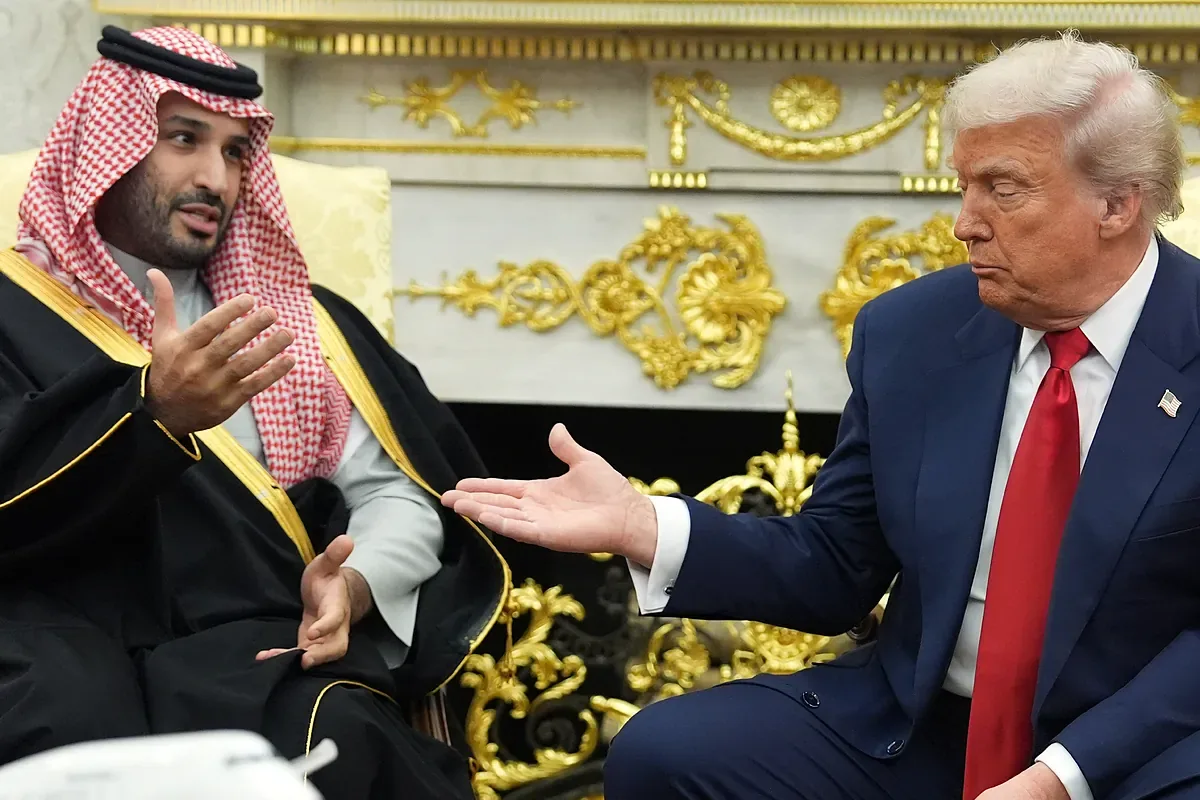
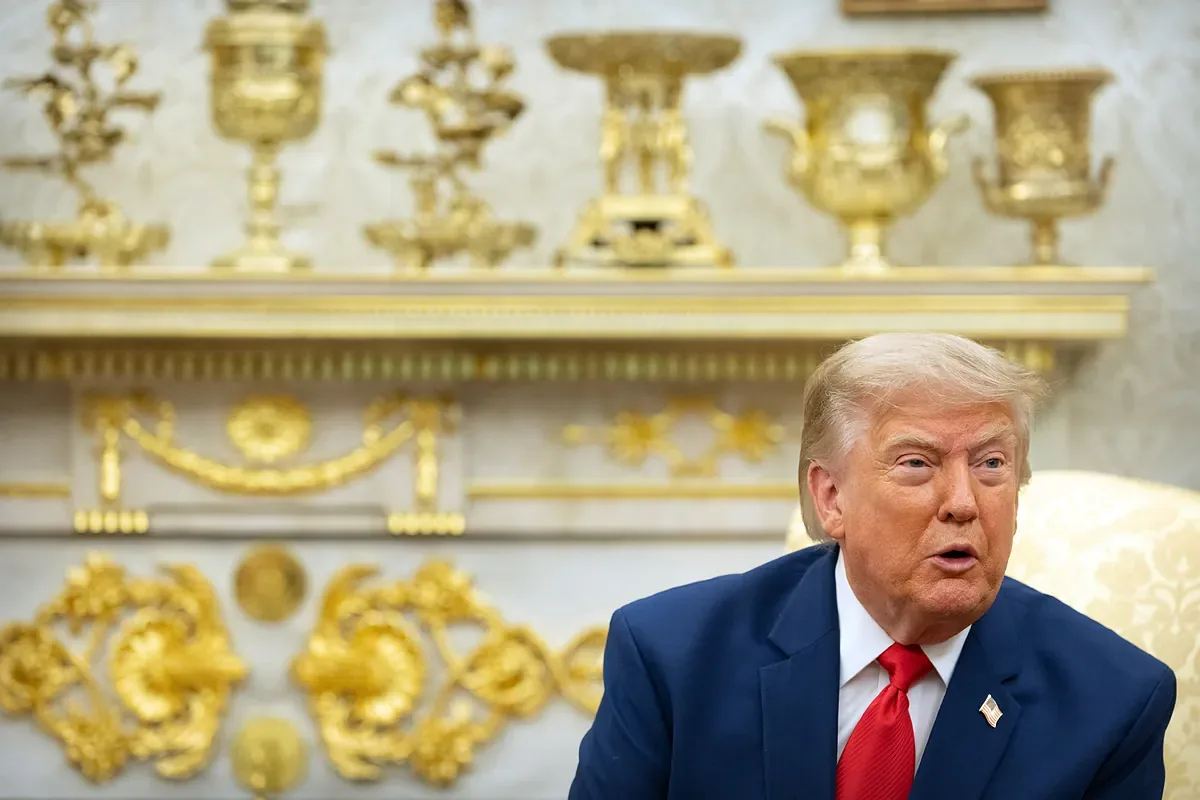
With the agreement about to be finalized, the U.S. president, Donald Trump, launched a series of threats against Oman, warning that he is willing to intervene militarily against the country if it obstructs Washington’s efforts to reopen the Strait of Hormuz. “If Oman gets in the way, we will bomb them mercilessly”, Trump declared to Fox News. The U.S. president warned that Iran should “raise the white flag of surrender” and assured that the “main objective” of his government “will always be that Iran cannot have, in any way, a nuclear weapon.”
Meanwhile, a senior Iranian official told Reuters that Iran “will not tolerate indefinitely” the U.S. naval blockade in Hormuz, so it will communicate its “deadline” to Washington and regional countries through mediators. In recent days, voices among hardline members of the Iranian regime advocating leaving behind stalled tensions and taking a more offensive stance against the United States and Israel have grown. This escalation, analysts like Vali Nasr from Johns Hopkins University point out, is beginning to become evident in Tehran’s attacks against Jordan, expanding its series of reprisals beyond Gulf countries.
According to a report by The Wall Street Journal, the Iranian regime is preparing for a large-scale war and has intensified domestic production of missiles and drones, believing that Washington and Tel Aviv are using the truce to resume fighting. The investigation states that while government officials spoke about the Memorandum of Understanding, Iran’s supreme leader, Mojtaba Jamenei, granted more powers to the Revolutionary Guard to improve its war strategy.
The expiration of the Memorandum of Understanding, known as the Islamabad agreement, comes after a series of military clashes between Washington and Iran. Over 60 days, both countries have oscillated between willingness to resume negotiations and warnings of new military interventions.
The 14-point pact, signed by the Iranian president, the reformist Masoud Pezeshkian, and his U.S. counterpart, established a window to negotiate a broader agreement, which included reopening the Strait of Hormuz and ending hostilities on all fronts. According to the pact, the United States committed to lifting the naval blockade, withdrawing its forces from near Iran, initiating a $300 billion reconstruction plan, lifting sanctions, and authorizing Iranian oil exports. Meanwhile, Iran committed to demining the Strait and allowing the passage of ships free of charge for 60 days.
The ambiguous wording of some clauses of the Memorandum, particularly those related to traffic control in the Strait of Hormuz, caused disagreements since the pact was signed in June. Iran rejected from the start the maritime route established by the United Nations that passed through Oman for the evacuation of stranded vessels in Hormuz and attacked several ships crossing those waters. The United States responded with continuous attacks against Iran, striking energy infrastructure but also civilian targets.
Baqaei described this Monday the 60-day deadline as “totally irrelevant” and attributed it to the “blatant and widespread violation” of the pact by the United States. “The Islamic Republic of Iran never formulates its policies under pressure, ultimatums, or deadlines,” he said. In this context, the Arab media Al Arabiya reported that Tehran and Washington have opened a second 60-day window to continue negotiations, although an Iranian source denied to Reuters that the agreement has been extended.
The Iranian Revolutionary Guard also strongly denied Trump’s claim about an alleged secret communication channel between U.S. officials and the Iranian military body, calling these statements “lies and fantasies” resulting from the “deliriums and nightmares” of the U.S. president after his “military defeat.”
Read more France is considering curbing the revaluation of high pensions to reduce the deficit