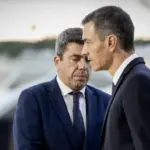
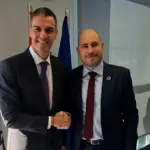


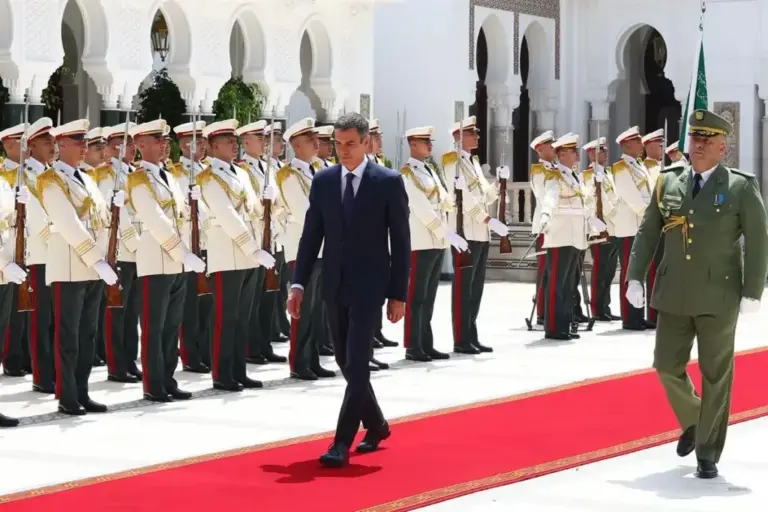
On July 20, 2026, the President of the Spanish Government, Pedro Sánchez, visited Algeria. One of the key agreements of that trip was that Algeria, the main gas supplier to Spain, will increase its exports to the peninsula by around 10% through the Medgaz pipeline, and that it will double the liquefied natural gas transported by methane carriers.
Read more Four other Moroccans expelled for injuring three civil guards in Ceuta
“It is essential to strengthen political dialogue between Spain and Algeria,” Sánchez explained. “Dialogue is the foundation on which everything else is built (…). Only by working together can we successfully face the challenges that most concern our societies.”
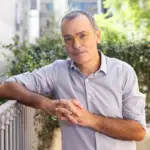
But at that high-level meeting, not only economic agreements were reached between the two countries. In that early summer dialogue between Sánchez and the Algerian president, Abdelmadjid Tebboune, a name came up, that of Ayoub Aissiou, an Algerian businessman and press publisher exiled in Europe with his wife, children, and part of his family, who has applied for political asylum in France but is wanted by the justice system of his home country.
The most pro-government Algerian press links him to Morocco and Zionist circles. According to the newspaper El-Watan, to “shadow conclaves that lay the foundations of an operational synergy openly aimed at destabilizing Algeria.”
Ayoub Aissiou was the owner of El Djazairia One, the most-watched private television channel in Algeria, until the authorities arbitrarily shut it down in 2021. Its broadcasts were banned in Algerian territory. It received 200 million visits per month and had more than 6 million subscribers until its blackout in the country.
The respective teams of both presidents talked about Aissiou, according to sources familiar with those conversations. “We want Spain to help us stop and try him,” were the words conveyed to the Spanish delegation by one of the officials working in Tebboune’s presidency, as these sources told EL MUNDO.
The Algerian government was right. Aissiou has been residing in Tarragona for about a year. His daughters, aged 13 and 9, are enrolled in a Spanish school. Algeria issued an international arrest warrant against him on April 9.
When Sánchez traveled to Algeria, the North African country had already also requested the businessman’s extradition through diplomatic channels. It did so via a verbal note dated June 3, 2026, according to documentation accessed by this newspaper. Along with the extradition request, it was added that Aissiou was wanted for alleged crimes of document forgery, criminal organization, and money laundering, in a case linked to urban irregularities. But Aissiou was still free when Sánchez visited Algiers. Spain had not yet acted, although that was about to change immediately.
On July 22, 2026, just two days after Sánchez’s trip to Algeria, a national search, arrest, and provisional imprisonment order for Aissiou was issued. Three days later, on July 25, he was arrested at El Prat airport in Barcelona after getting off a flight from Casablanca (Morocco).
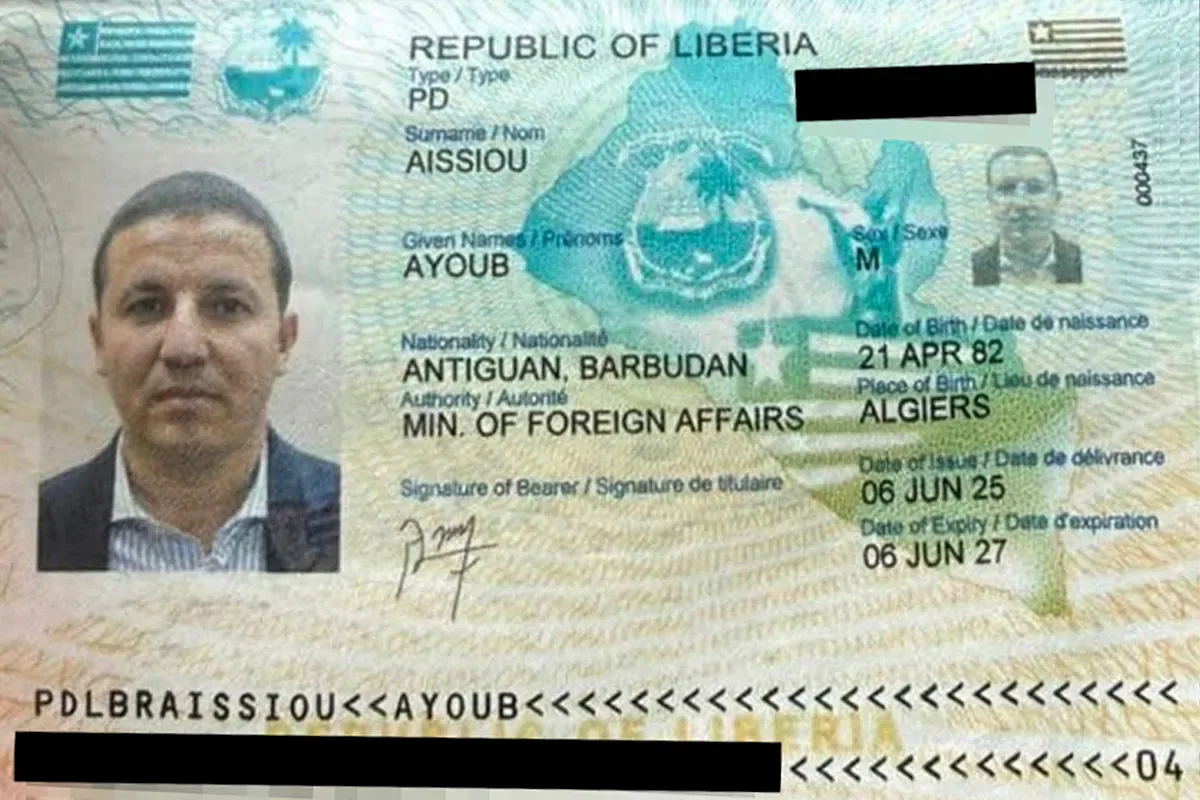
He was carrying a valid diplomatic passport from the Republic of Liberia, issued by the African country’s Ministry of Foreign Affairs. He also explained that he had documentation proving that Interpol had committed to deleting his data from his personal file since he had submitted a political asylum request to France, which was still pending. One day later, on July 26, he was admitted to Brians 1 prison. Only six days had passed between Sánchez’s trip to Algeria and the businessman’s imprisonment.
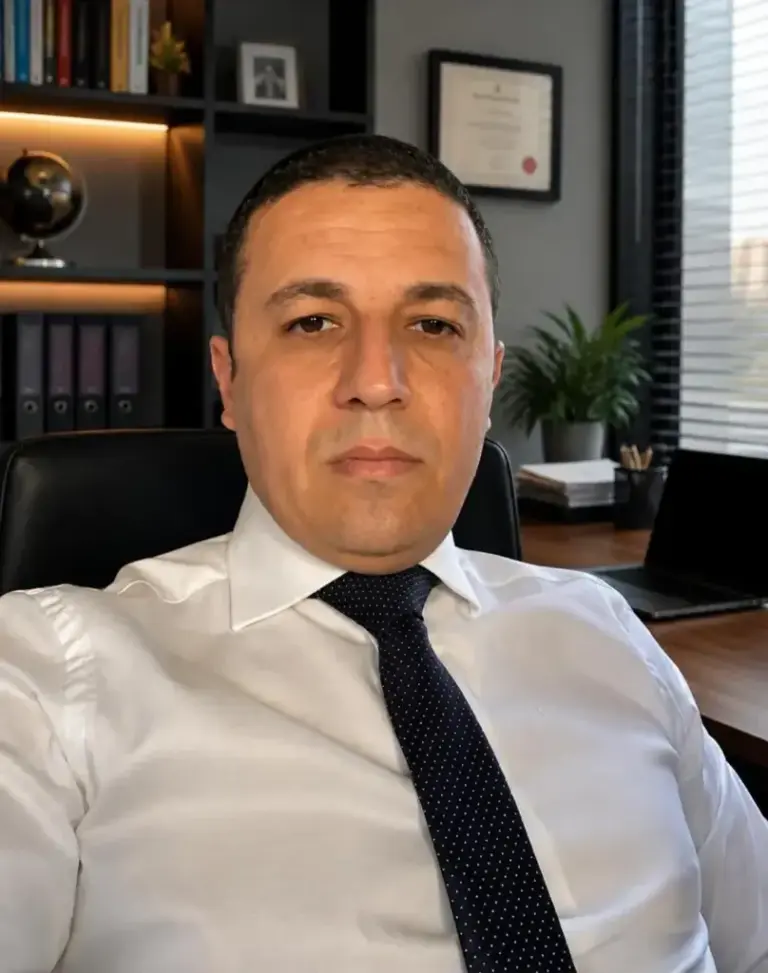
Algerian pressure had taken effect. Now, Abdelmadjid Tebboune’s regime is closer to bringing Aissiou back to its territory. It has 40 days to formalize his extradition.
Meanwhile, his lawyers in Spain are trying to prevent his transfer. On July 28, the Algerian businessman appeared before the Central Court of Instruction of the National Court for passive extradition. That is, to accept motu proprio being extradited to the country where he was born on April 21, 1982 —he is 44 years old—.
Aissiou refused, “stating that he does not consent to delivery to the requesting Algerian authorities and that he does not waive the principle of specialty.” The Prosecutor’s Office requested that Aissiou remain in custody. The judge decided he should stay behind bars.
Although his lawyers appealed that decision, an order dated August 21, 2026, ratified that the Algerian businessman remains deprived of liberty since, according to the judge, “there is considered to be a significant risk of flight, given that he faces an extradition request for serious offenses and has nationality and international ties that facilitate his movement outside Spain.” One of the businessman’s two lawyers, Jesús Casado Francés, doubts the entire process. In his opinion, it is nothing more than a clear case of “political persecution.”
SUPPORT FROM FRANCE
Since his arrest became known, Aissiou has not stopped receiving support from France. A group of 20 French intellectuals has launched a manifesto addressed to Presidents Pedro Sánchez and Emmanuel Macron, asking them to mediate in the release of the Algerian journalist and opposition figure critical of the Algiers regime.
In that text, they urge the Spanish and French leaders not to authorize Aïssiou’s extradition to Algeria because, they argue, “the political and judicial power” of that country “is totally at odds with respect for human rights and freedom of expression.” They add that “the honor of France and Spain is at stake.” They also recall that in his country of origin “he not only suffers serious threats to his security but also to his life.”
Another voice that has joined the support for the Algerian businessman imprisoned in Spain is Manuel Valls, the former Prime Minister of France born in Barcelona, a city where he was also a councilor between 2019 and 2021. This past Friday, Valls published an opinion column titled Freedom for Ayoub Aïssiou. in the digital newspaper The Objective.
“That is, at heart, his crime in the eyes of Algiers: having continued to criticize a power that does not tolerate criticism (…) The Algerian regime presents his persecution as an anti-corruption operation. The explanation does not withstand the slightest examination. Aïssiou’s business group prospered under Bouteflika’s presidency; after the power change in 2019, it was dismantled and judicial repression hit his entire family,” Valls stated. “His father-in-law, former senator Ould Zmirli, is still imprisoned in Algeria, where he is serving a seven-year sentence. His 75-year-old mother, with no professional activity, was expropriated from her home. An entire family circle is not persecuted for a mere matter of ordinary management.”
A KIDNAPPING IN BARCELONA
On October 17, 2024, another Algerian opposition figure exiled in France, Hichem Aboud, was kidnapped in front of number 25 Raset Street in Barcelona, a city where he intended to take refuge because, according to him, a price of 50,000 euros had been put on his head. Aboud is another journalist critical of the military regime that has de facto ruled Algeria’s destiny since the 1960s. He lives in exile in Paris.
A book, The Mafia of the Generals, published in 2002, put him in the crosshairs. It is unknown who, but attempts were already made on his life on a couple of occasions. Once they tried to poison him in Liège in November 2021, and to kidnap him in Madrid exactly 13 months later, in December 2022. He has always maintained that the government of his home country is behind it.
After his kidnapping in Barcelona, his captors transported Aboud by car to the other end of the country. Specifically, to Lebrija, a Sevillian town bathed on its outskirts by the Guadalquivir River. A group of kidnappers coordinated through a mobile messaging app was about to fulfill their mission: deliver Hichem Aboud to some drug traffickers approaching by boat along the river to the agreed delivery coordinates, near the marshes of the mentioned Sevillian municipality.
But that day, this Algerian opposition figure was in luck. That Friday in mid-October 2024 was not going to be the date he died or disappeared forever.
The Civil Guard, which had detected the drug boat that was going to take him out of the peninsula through the river mouth, sent a patrol from Lebrija to monitor the area. The officers thought a drug shipment was going to be delivered. But their presence ended up ruining the entire plan.
The boat, upon spotting the police presence, moved upstream. Two of the kidnappers were arrested right there. They were a Moroccan and a Frenchman. Aboud was shirtless, had several blows on his back, and was tied up with duct tape.
Nine days after Aboud’s kidnapping, EL MUNDO published an interview with him. “If it is not the government of my country behind this operation, who else could it be?” he wondered. “I don’t have to speculate about the kidnappers’ intentions. I am clear that they are hitmen hired by the regime.” Today, another opposition figure, Ayoub Aissiou, is imprisoned in Spain, on the verge of being extradited to Algeria.
Read more The Government will approve this Tuesday an emergency package of 165 million for Ceuta