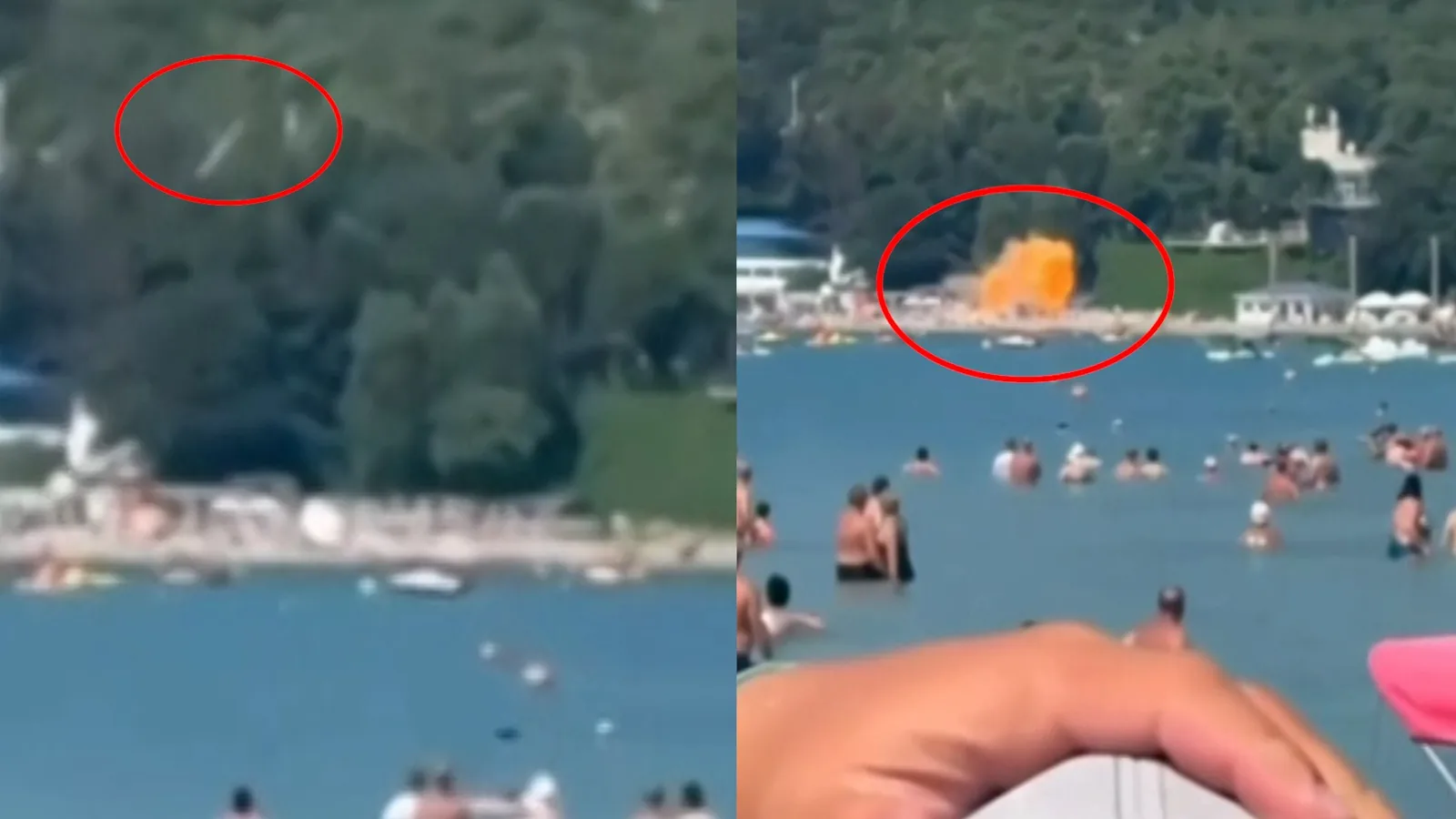









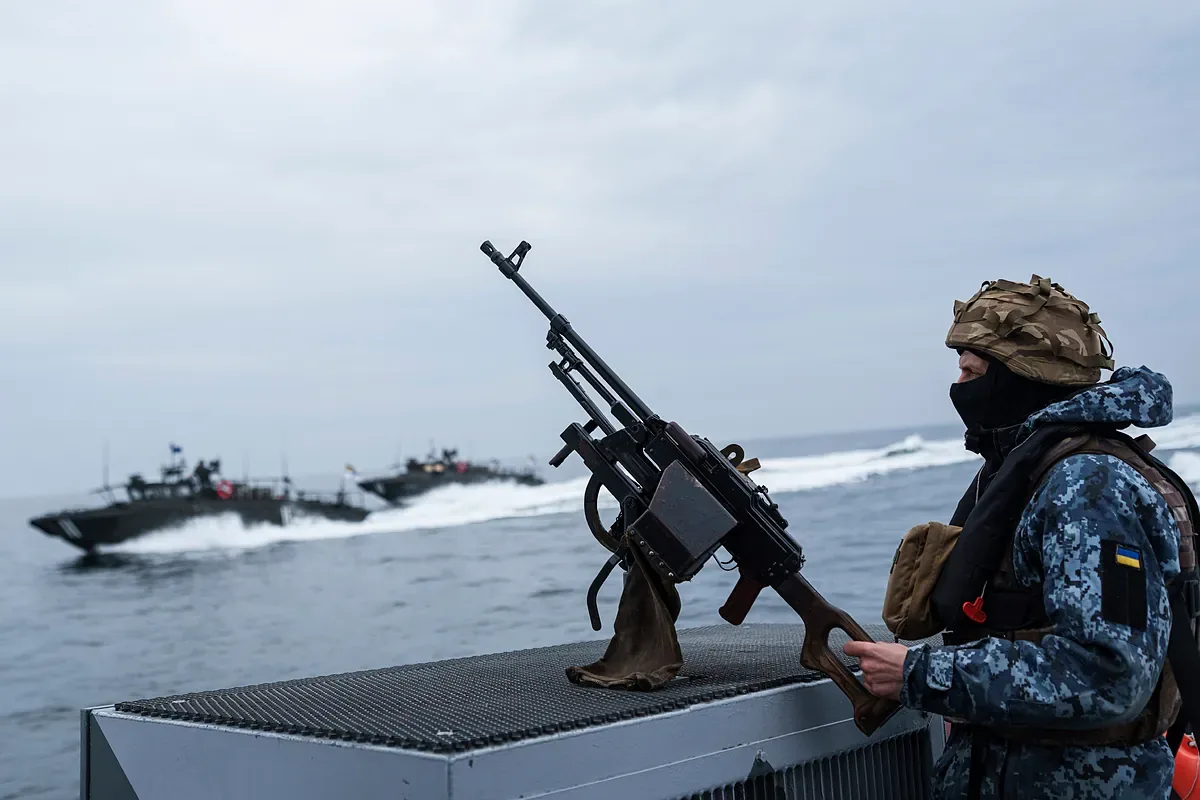
The Black Sea has become the most dangerous maritime route in the world for hundreds of sailors who, trapped in drone attacks by Russia and Ukraine, continue sailing with rusty uninsured ships, unprotected and, in many cases, unpaid. The escalation of violence this summer in the Black Sea has even surpassed the crisis in the Strait of Hormuz, with more than 50 merchant vessels attacked and at least 23 sailors killed in July, the highest number since the start of the war, according to data from the seafarers’ monitoring platform, Deniz Isçileri.
The group is preparing its latest report, denouncing the death of more than 40 sailors in the last two months. Unlike what happened in 2022-2023, when Russia imposed a naval blockade that paralyzed Ukrainian exports, the current situation is much worse for merchant fleets in which sailors from Turkey, the Philippines, Azerbaijan, or India, among other countries, are direct targets of attacks. “This bloody policy, carried out by both Russia and Ukraine to hinder mutual trade, is directly attacking the sailors,” Onur Özkaya, an offshore watch officer and member of the Deniz Isçileri platform, tells EL MUNDO. “We do not have additional defense systems against drones or missiles. We are merchant ships. We are all unarmed sailors simply trying to make a living,” he adds.
The platform reports dozens of cases on its networks: on July 10, a Turkish-flagged tanker was attacked by a Ukrainian drone in the port of Taganrog, in the Sea of Azov, causing a fire on board that injured the chief engineer, Kadir Kamilçelebi, who died in the hospital. Nine days later, a ship operated by a company based in Turkey was hit by a Russian attack in Odesa, sinking the ship and taking ten people with it.
Insecurity in the Black Sea has also hit trade, with 97% of the grain export capacity of Russia and Ukraine paralyzed, according to Reuters estimates. The price of wheat has risen 6.5% in August alone and is now 30% more expensive than a year ago, threatening to trigger a new global food crisis, especially in countries dependent on the World Food Programme.
“Unlike three years ago, when Ukraine was practically defenseless against Russian maritime attacks, now Kiev has systematically expanded its drone and missile capabilities and is successfully attacking Russian power and logistics lines,” Iulia-Sabina Joja, former advisor to the President of Romania and current director of the Black Sea program at the Middle East Institute, explains to EL MUNDO. “Much of the oil maritime transport in the Black Sea is carried out by the clandestine Russian fleet, composed of old uninsured ships that pose a huge environmental risk and should not be operating,” she adds.
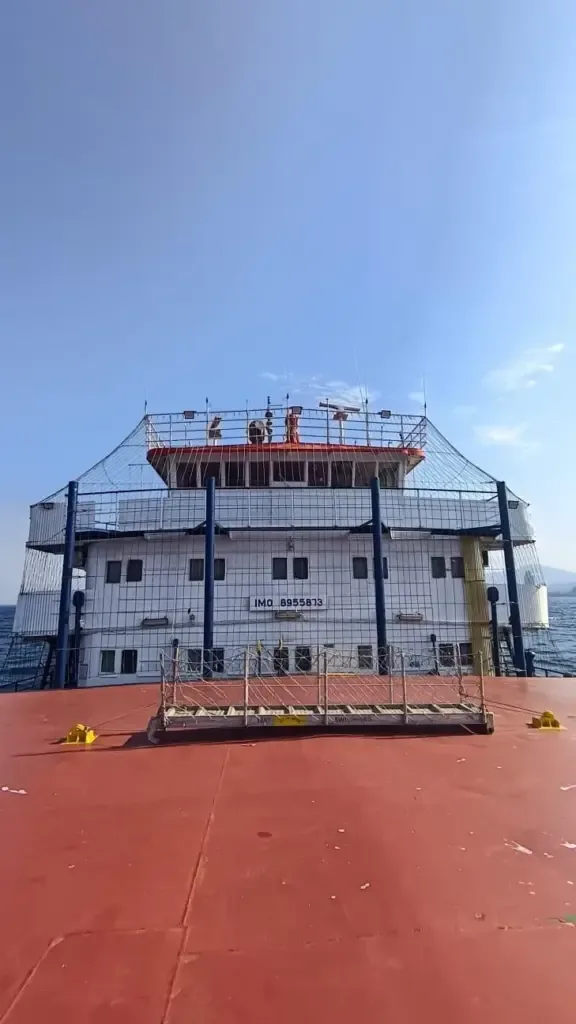
In this situation, many shipowners, to minimize losses, send old ships to the Black Sea whose loss would not represent a large economic investment. “The Black Sea is a place where ships operate in terrible conditions, with holes in their hulls and ballast tanks, known as single-hull systems. They are very old, they are scrap,” Özkaya describes. Some companies have covered part of the ship with metal nets to protect against drones, a measure that the sailors themselves consider useless. “I don’t think they have been able to test their effectiveness yet,” Özkaya concludes.
Read more The Ceuta disaster sinks Sánchez and his partners, who have already lost 2.2 million voters
This situation has also served as a breeding ground for other types of negligence, such as sailing without insurance or not paying sailors. This is the case of Volgo-Don 5021, a cargo ship over 50 years old that transported grain between Turkey and Russia and anchored in the Turkish city of Samsun at the end of July. Twelve of its crew members, Azerbaijani and Russian, started a strike on board in mid-August after the owning company, Cunda Denizcilik, owed them $83,000 in wages.
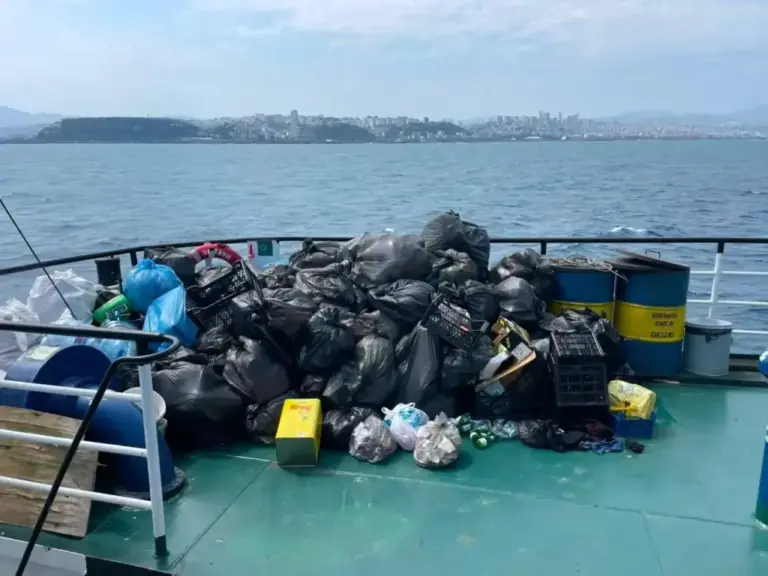
“Four months have already passed waiting: May, June, July, August, and what does the boss say, do you know why they don’t pay us? He says the war in the Black Sea has started, that’s why they don’t pay us,” one of the striking sailors tells EL MUNDO. The worker, who has been sailing these waters for eight years, describes the working conditions as very harsh and unhealthy, but that they have worsened this summer. “We are psychologically exhausted, very tired, all the staff. I have children, my colleagues too,” he explains.
“There is no kind of protection or extra insurance for being at war. They installed an anti-drone net, which is still there, surrounding the ship, it does not protect us in any way,” he denounces. Upon the strike announcement, the company threatened to terminate contracts and abandon the workers to their fate, but thanks to media pressure in Turkey, Cunda Denizcilik gave in and paid the overdue wages. However, the case exposes the absolute abandonment to which sailors in conflict zones are subjected.
Another sailor, who prefers not to give his name, tells this newspaper about the difficulty of reporting the lack of safety measures on board. “We have been working for years in an area where there are mines, missiles and drones are often heard, but now it is much worse. If you leave the job because a company does not offer you good insurance, then another will not hire you because they know you can cause problems,” he explains.
For his part, Captain Murat Kaya, also a member of Deniz Isçileri, denounced in statements to the newspaper Birgün the passivity of the governments of the crew members’ countries of origin. “Turkey and the Black Sea littoral states remain silent in their relations with NATO and Russia. The war economy is filling the coffers of many states. Sailors die daily because of these disastrous policies,” he warns. “These ships should not go to war zones, or safe routes should be established or the war should end,” he concludes.