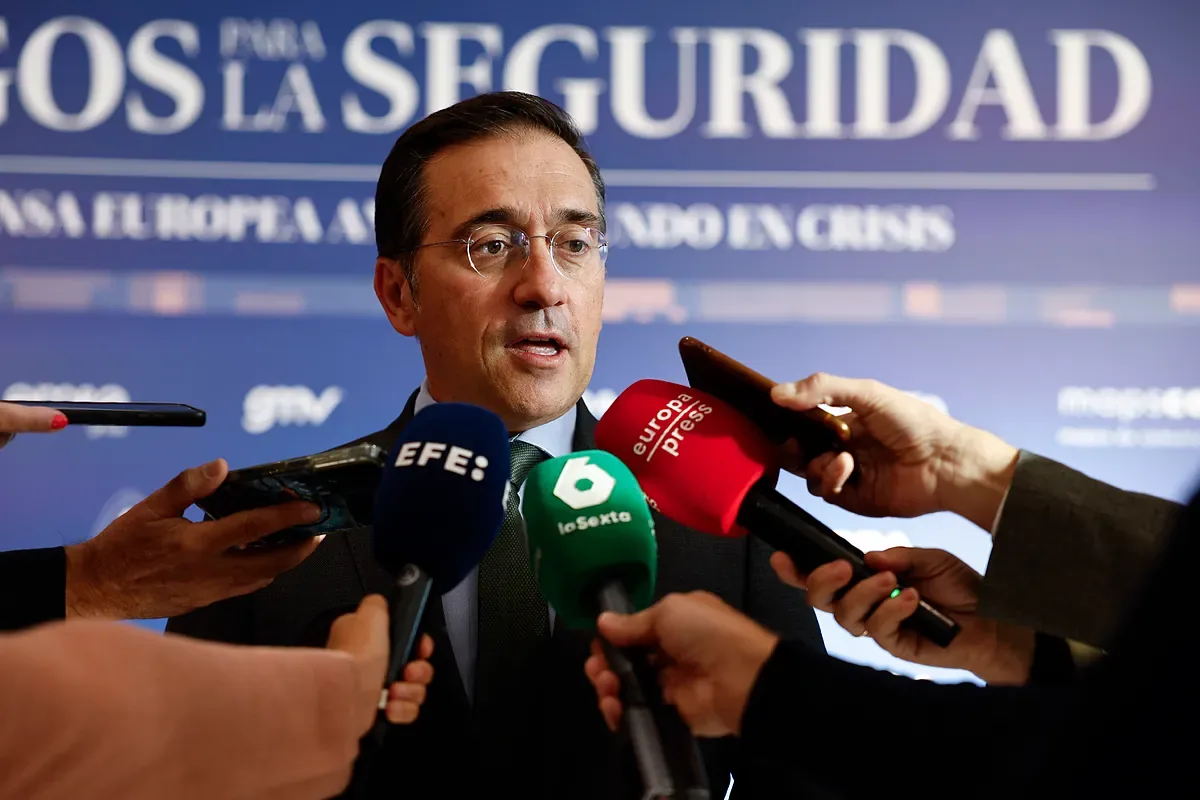

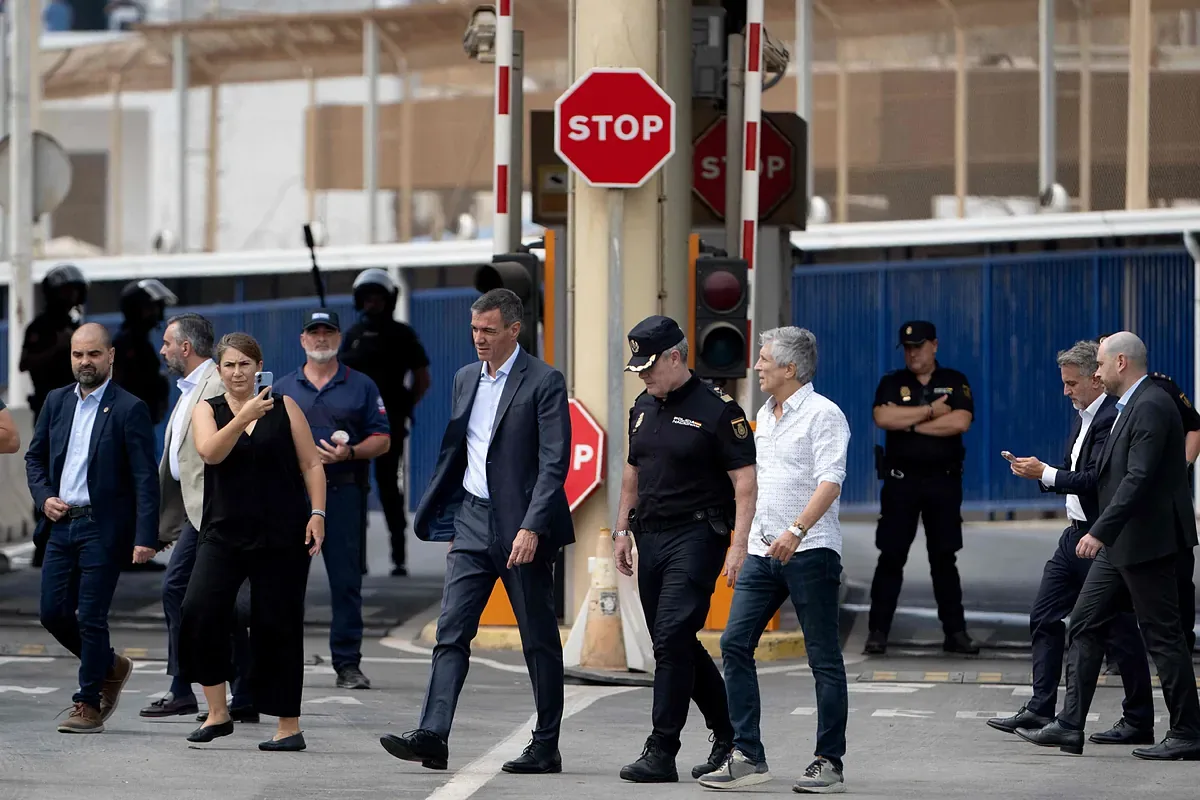
“Spain is ensuring that secondary movements do not occur, it is acting to return those who entered Ceuta irregularly and will continue to fully assume the responsibilities that correspond to it in the field of international protection,” Spanish Interior Minister Fernando Grande-Marlaska told European Migration Commissioner Magnus Brunner this Thursday morning.
Read more Eye for an eye, total war: «Russia and Ukraine are pushing each other back to the Stone Age»
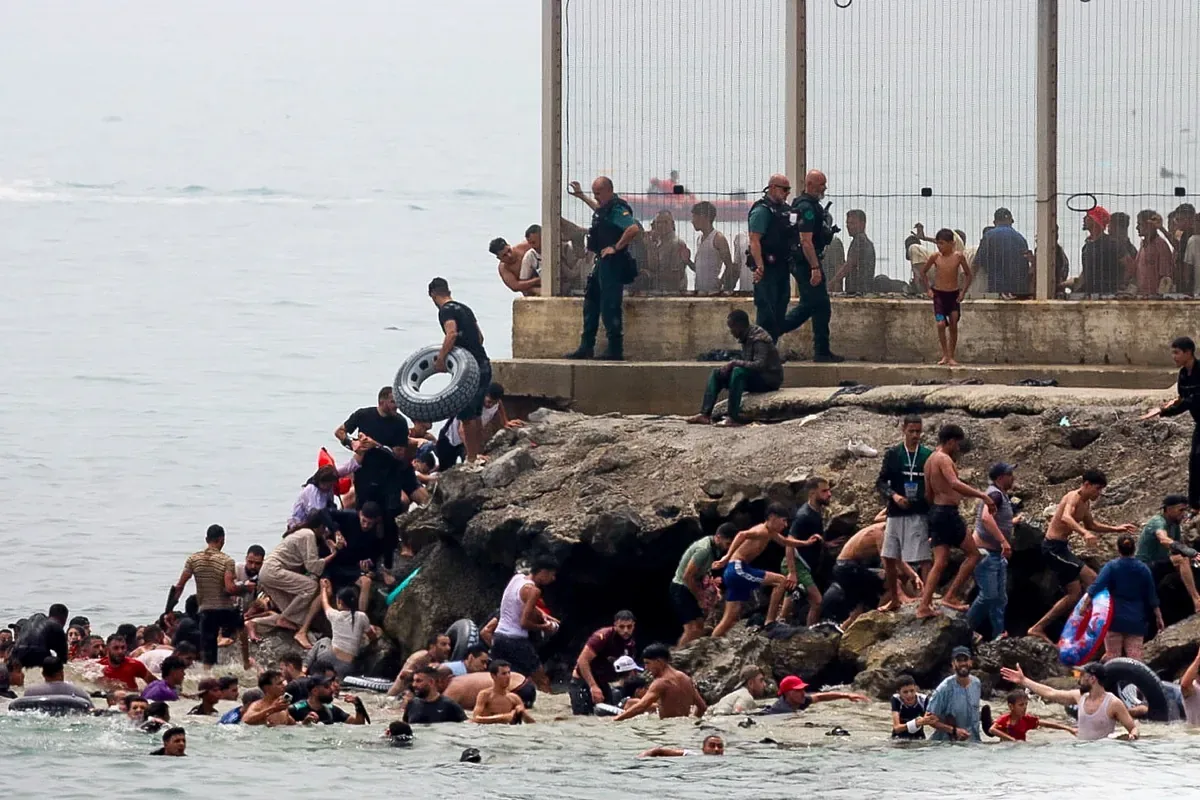
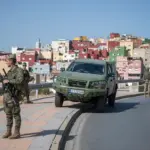
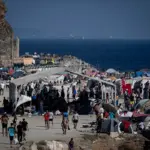
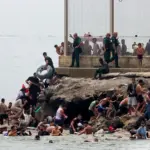
Marlaska emphasized assuring Brunner that the nearly 10,000 immigrants remaining in Ceuta, after more than 80,000 crossed on July 30 and 31, remain in Ceuta and have not moved to the Peninsula, with the possibility of reaching the rest of Europe.
“It is an unfounded risk and concern,” the minister stressed regarding the possibility of such movements occurring. Marlaska thus asked the European Commission to convey this message to community partners to “avoid baseless falsehoods.”
The Interior Minister urged Brunner, with whom he met at the ministerial headquarters in Madrid, to promote new legislative measures that allow “accelerating return and international protection procedures in migration crises.” Marlaska was referring to the recent legal reforms announced by European Commission President Ursula von der Leyen in her State of the Union address.
The minister also took pride in the “effort” made by Spain in an “extraordinary and unprecedented” situation: “We have shown that the measures adopted are yielding results, but the consequences of a crisis of this magnitude cannot be resolved immediately.” The return of more than 90% of arrivals in such a short period is unprecedented in the EU, the Ministry maintains.
On August 12, Marlaska told the press, according to Europa Press: “They will not be transferred to the peninsula nor will they be able to access any type of protection.” Then, the European Commission’s Interior spokesperson, Markus Lammert, said it was “important” that this be fulfilled. More than a month later, triage has begun to assess cases individually, in order to decide which immigrants should be returned to Morocco and which may remain in European territory.
Feijóo, before the commissioner: “This must be resolved immediately”
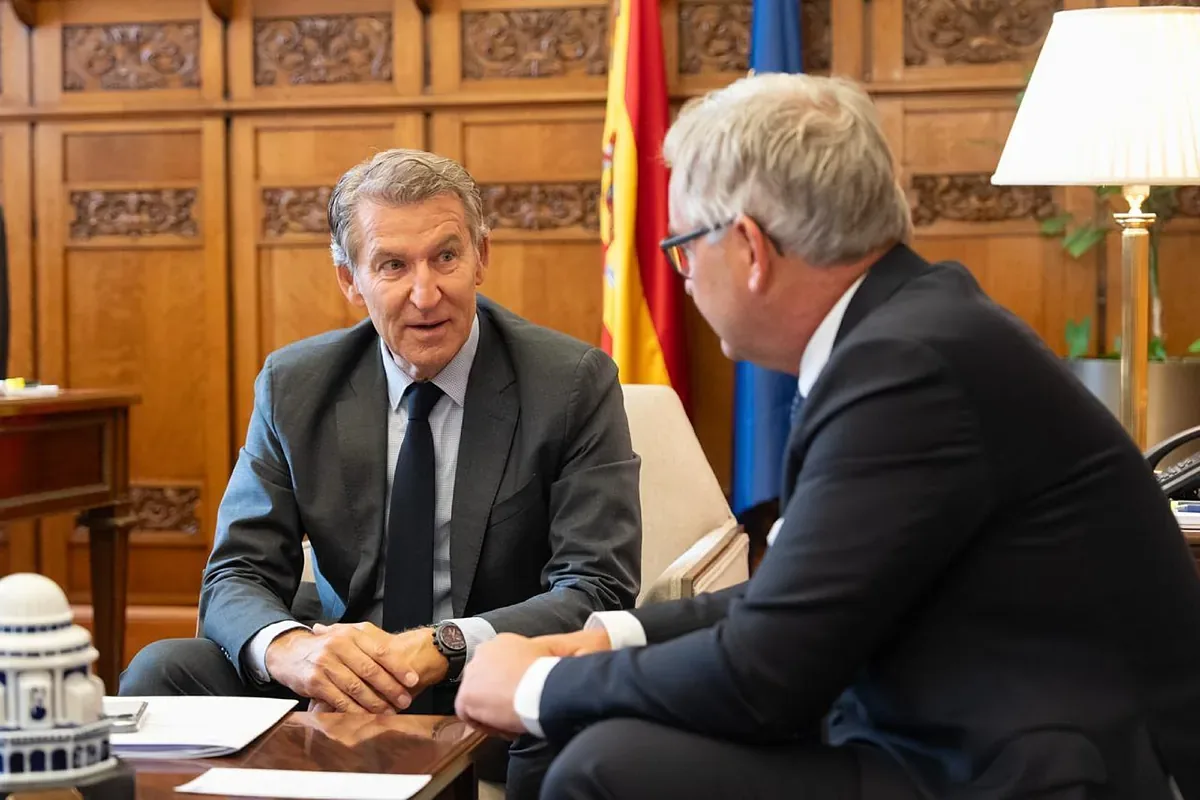
For his part, the PP president, Alberto Núñez Feijóo, also met with Brunner this Thursday at the Congress. The PP revealed in a statement that the commissioner “agreed” with the Spanish leader “on the need to enable all State resources to proceed with the immediate return of all persons who entered irregularly, in accordance with national and European legislation.”
“Neither three months as he told the Spanish nor six as he said in Europe. This must be resolved immediately,” Feijóo said to Brunner, before asking the commissioner for the EU to mediate so that Morocco fulfills its commitment to accept the return of all persons who entered Ceuta.
“The defense of Ceuta is the defense of Spain’s southern border and of the European Union, and a coordinated, firm, and effective response is essential to improve alerts and expedite returns,” he stressed, defending the “permanent” deployment of Frontex in Ceuta, Melilla, and the Canary Islands and all necessary measures to prevent crises like this from recurring.
Finally, Feijóo invited the commissioner to personally visit Ceuta to see firsthand the situation and needs. Precisely, the PP president will travel to the town this Monday along with the president of the European PP, Manfred Weber, and wants the European Commission president, Ursula von der Leyen, who has been very clear in her defense of Ceuta, to do so as well.