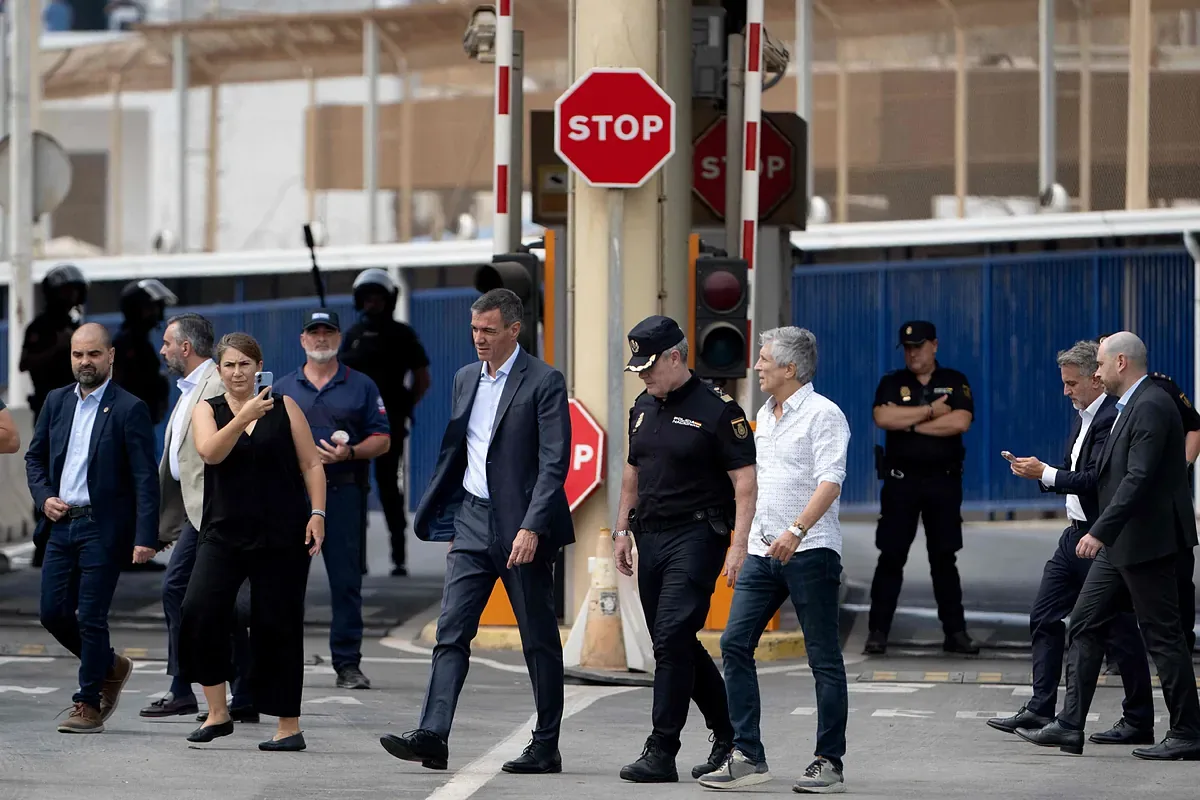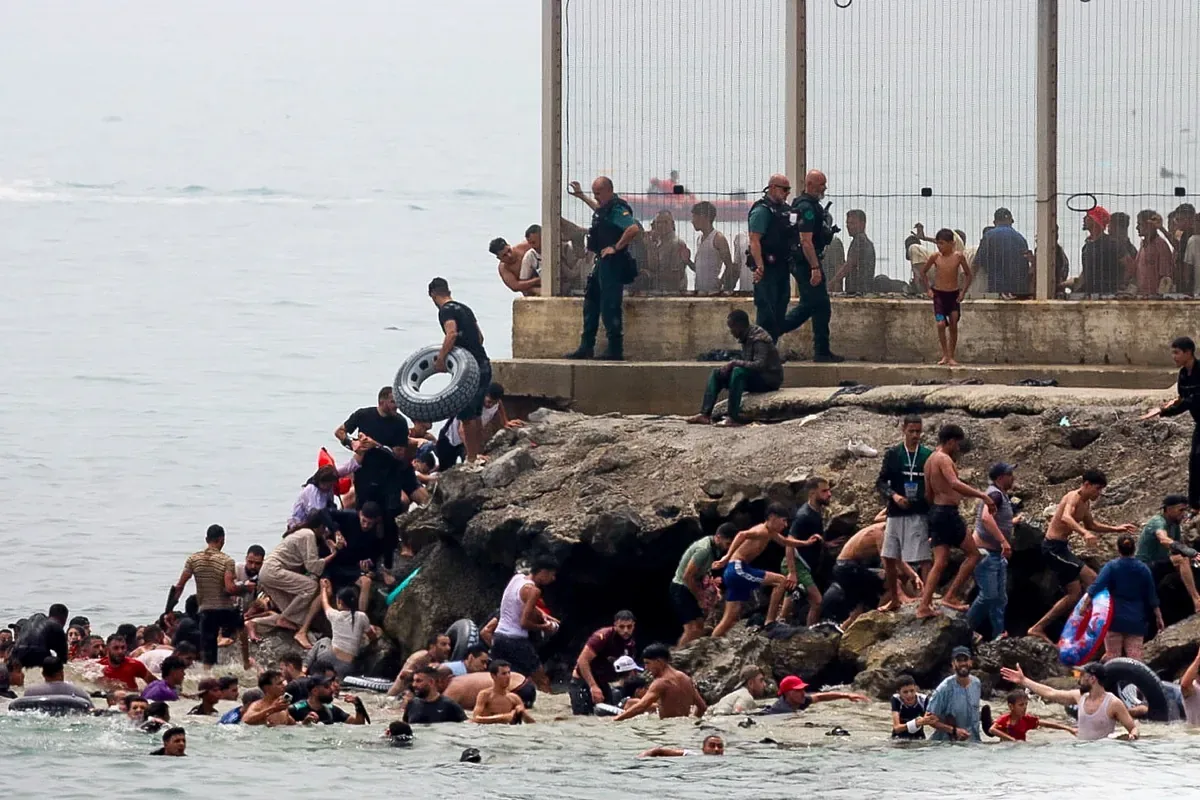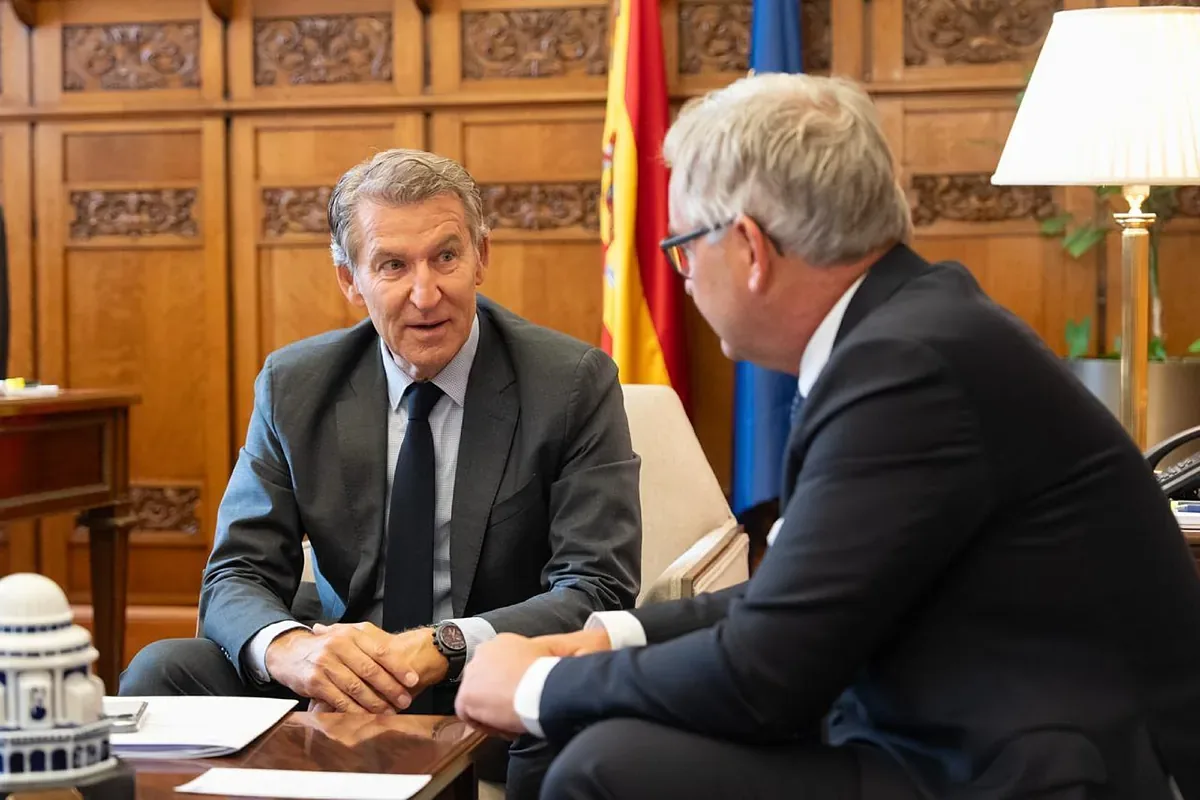




Ceuta and Melilla will have a “permanent institutional presence” of Frontex. This was announced by the Minister of Foreign Affairs, José Manuel Albares, this Wednesday. A decision that comes a month and a half after the massive crossing of people swimming from Morocco to Ceuta in an attempt to violate the territorial integrity of Spain. The head of diplomacy thus responds to the requests of the presidents of the autonomous cities, Juan Jesús Vivas and Juan José Imbroda, who have long been asking for a reinforcement of the European Union’s land borders with Africa.
Read more Sánchez fuels suspicions about Rabat’s blackmail in seven appearances without information
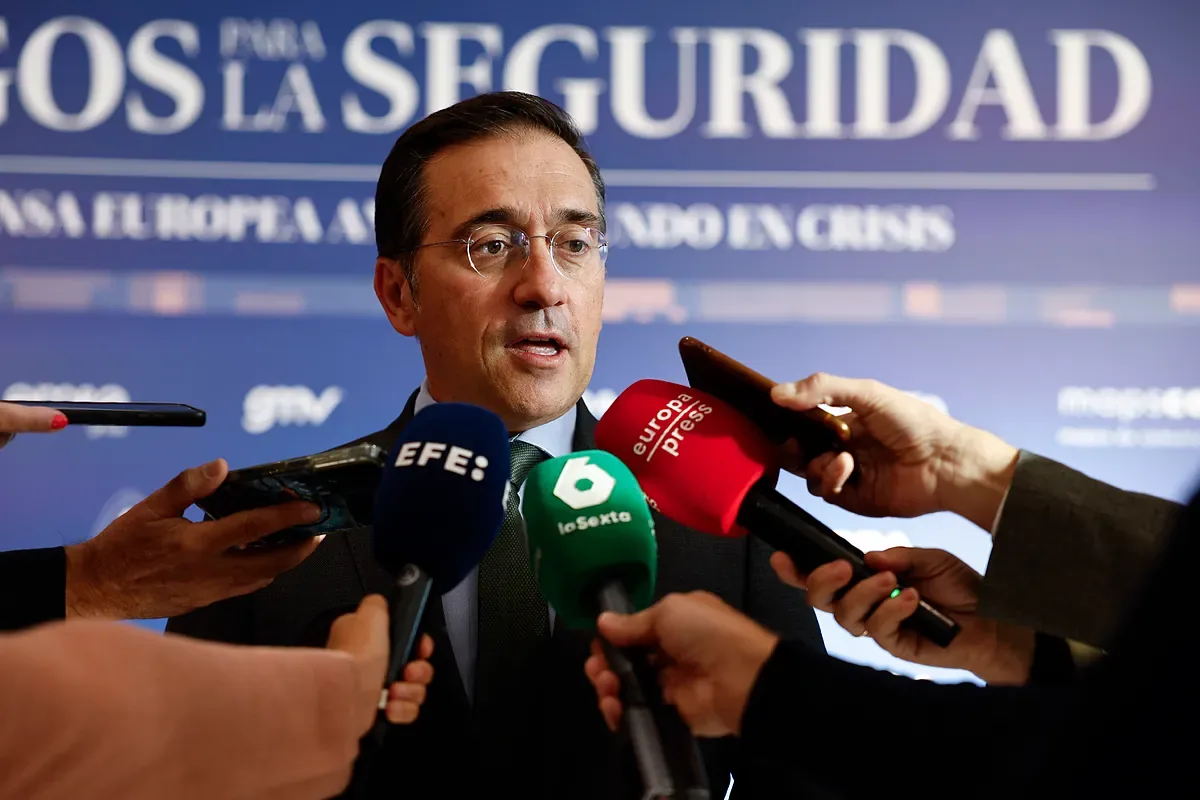
As he explained, last Tuesday he spoke with the presidents of Ceuta and Melilla “to break down the aid package from the European Union,” a package amounting to 115 million euros that the Commission approved last September 9. For that money to arrive, they have to formally present the project, something Albares will do “imminently”, he assured during the inauguration of the 3rd edition of the Dialogues for Security European Defense in a World in Crisis, at the headquarters of the Higher Center for National Defense Studies (CESEDEN), in Madrid.
In addition to the aid package project, Albares also stated that they will formally present “the permanent presence with a seat for Ceuta and Melilla in the Committee of the Regions,” a European institution that formally participates in the drafting of EU legislation. Furthermore, he requested “their definitive entry into the Customs Union with the specificities that their geographical situation entails,” fulfilling a historic demand of the entrepreneurs of the autonomous cities.
Finally, Albares revealed the request for “a permanent institutional presence of Frontex” in Ceuta and Melilla. An instrument that helps manage the borders of the countries of the European Union and from which the autonomous cities had been excluded until now.
Read more The socialists’ veto to shield Morocco sabotages a resolution supporting Ceuta in Europe
But the massive crossing of people swimming to Ceuta from the Tarajal crossing on July 30 has accelerated everything. Thus, images of 70,000 people participating in an attempt to violate Spain’s territorial integrity have worried the European Union, which has mobilized to make it clear that the sovereignty of the cities is Spanish. Last Tuesday, Ursula von der Leyen wanted to make this clear in a forceful speech.
In her speech on the State of the European Union, the President of the Commission wanted to address “directly the Spanish people.” The European Commission politician dedicated part of her intervention, undoubtedly one of the most important of the year and with which the new political course officially begins, to the Ceuta crisis. And she wanted to make it clear that the autonomous city is part of Spain and, therefore, of the EU.
“All our external borders are European borders. The border of Ceuta is a European border. Because Ceuta is Spain. Ceuta is Europe. And Europe will be by your side,” Von der Leyen stated.