






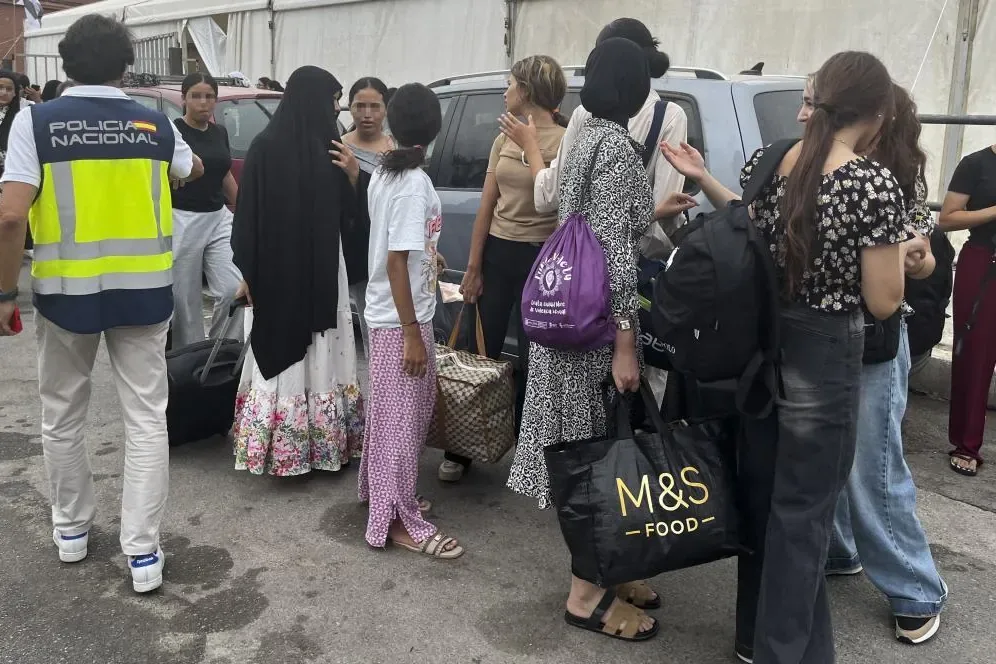
The Juvenile Prosecutor’s Office of Ceuta has referred to the Court several complaints from unaccompanied migrant minors who have claimed to have suffered abuse or mistreatment in reception centers of the regional protection network.
As El País has reported and sources from the Ceuta Prosecutor’s Office have confirmed to Efe, the Public Ministry has become aware of some complaints filed with the Police, which have been submitted to the judicial body.
The sources have emphasized that the Prosecutor’s Office has not opened a general investigation into the juvenile centers nor is it generally investigating alleged abuses or mistreatment in these facilities.
Furthermore, they have specified that the decision to refer the proceedings to the Court is due to “strictly functional and organizational reasons,” considering the extraordinary workload currently borne by the Ceuta Prosecutor’s Office.
The objective, they have pointed out, is to avoid duplication of investigations into the same facts and to ensure that they are investigated by the competent body.
The Prosecutor’s Office assures that it remains especially attentive to any situation that could affect the integrity, safety, or rights of minors under protection, and will act, within its powers, against any act that could constitute a crime.
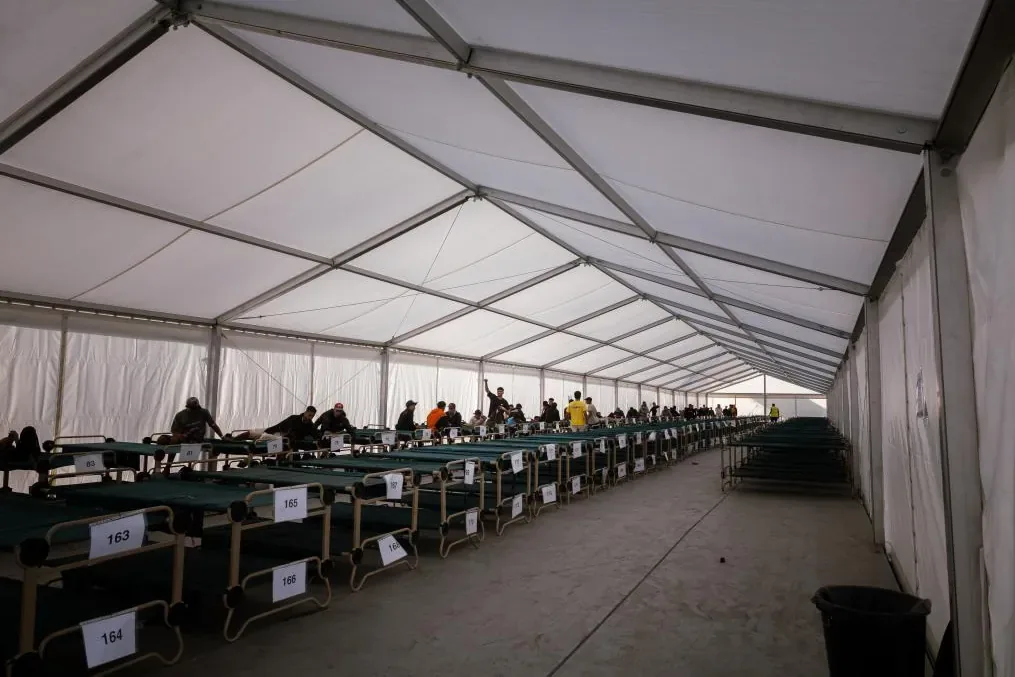
According to the published information, several teenage girls left two juvenile centers in the autonomous city due to mistreatment, physical punishment, lack of medical care, or threats of being returned to Morocco by staff.
“They constantly call us whores, hit us, punish us if we ask to use the phone or a pillow,” says one of them in statements to the mentioned newspaper, while assuring that there are many more young women in the same situation, including one who allegedly suffered sexual insults and explicit rape threats.
According to this information, the girls were interviewed last Thursday and the same day the city’s juvenile area intervened. Two security men were identified who, according to the complainants, uttered insults and threats; they were relieved of their duties and replaced by women, as well as an educator whom the minors accuse of mistreatment.
Read more The Spanish subjects of Sofia Bridge