


One month after the signing of the Memorandum of Understanding, the US and Iran are not only not negotiating to reach a definitive agreement, but are moving towards large-scale confrontation. Iranian Deputy Foreign Minister Kazem Gharibabadi announced this Saturday that his country had “suspended all our commitments and, in fact, we are no longer fulfilling them,” after blaming its enemy for “violating its own commitments” in the mentioned pact.
Read more Geopolitics and a bit of Botox: the important things the World Cup talks about
The Iranian Supreme Leader, Motjaba Jamenei, who has not appeared in public since the death of his father at the start of the war last February 28, has again left a written message to denounce: “The repeated violations by the ‘Great Satan’ of the memorandum signed between the presidents of Iran and the United States once again demonstrated to everyone that the signature of the US president is worthless and unreliable.” In a new threat, Jamenei added that “the Iranian nation and the resistance front have unforgettable lessons for the United States”.
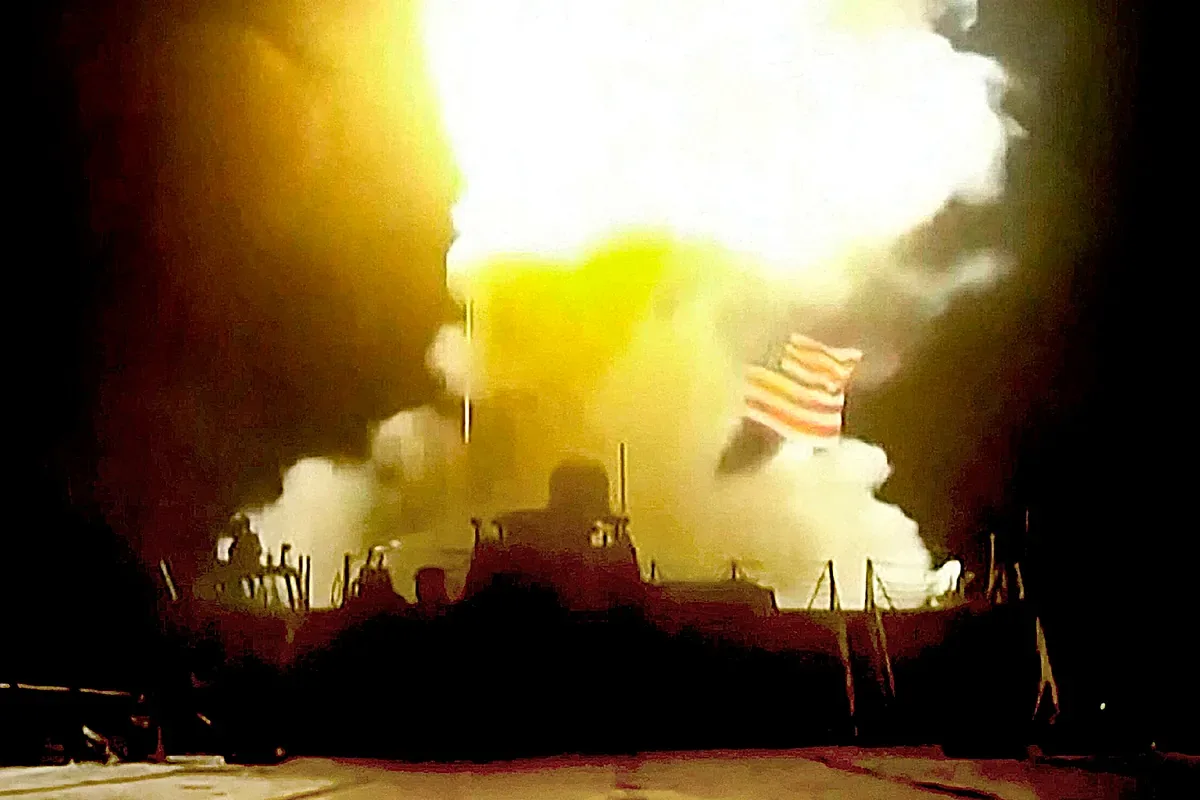
On Friday night, the US military carried out the seventh consecutive wave of bombings against the Iranian regime. It responded with attacks on Gulf countries and Jordan. Precisely in this country, an Iranian attack caused the first US military casualties in the current escalation yesterday. According to Central Command (CENTCOM) today, “two military personnel died in combat in Jordan while US Central Command and allied forces repelled Iranian attacks with ballistic missiles and drones. Additionally, one military member is currently listed as missing in action“.
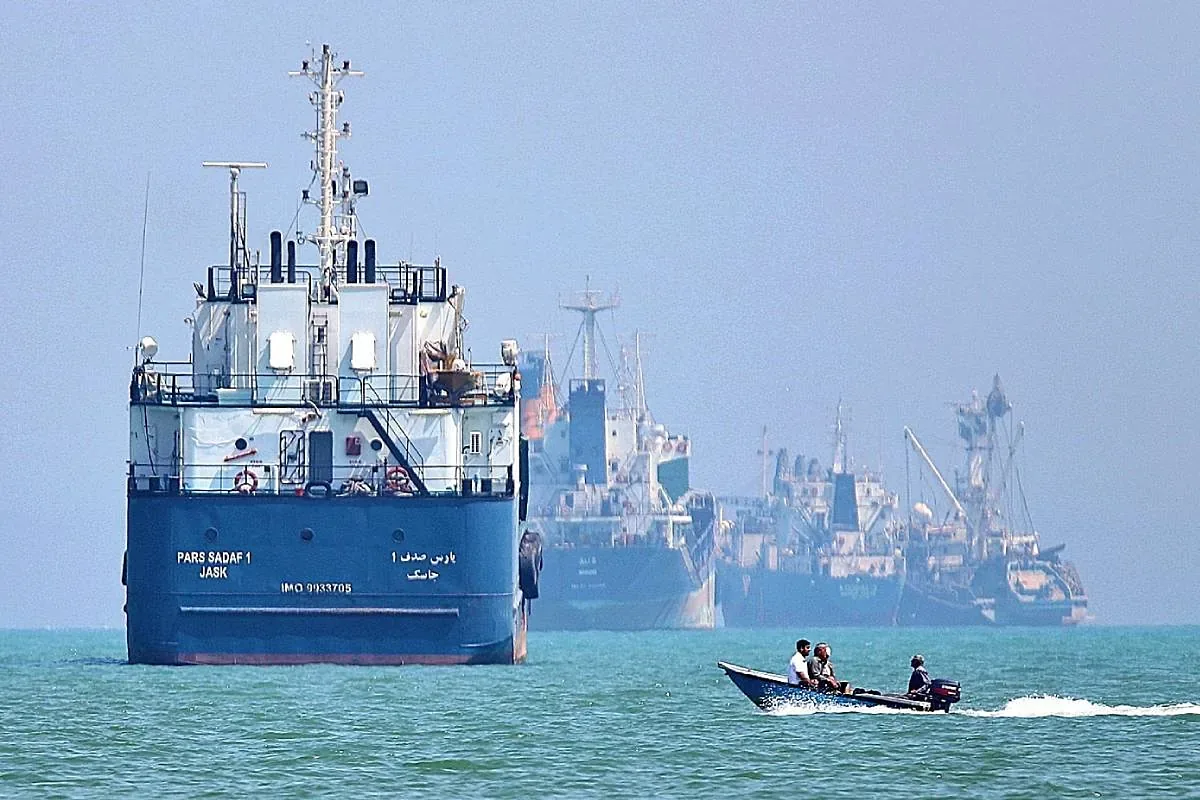
Washington and Tehran follow a script that begins in the waters of this strategic corridor: attacks and warning shots by Iran against merchant ships for taking what it calls “unauthorized routes,” punitive responses and wearing down of capabilities by the US, and Iranian reprisals in the region to harm its enemy and increase pressure. And again, back to the start.
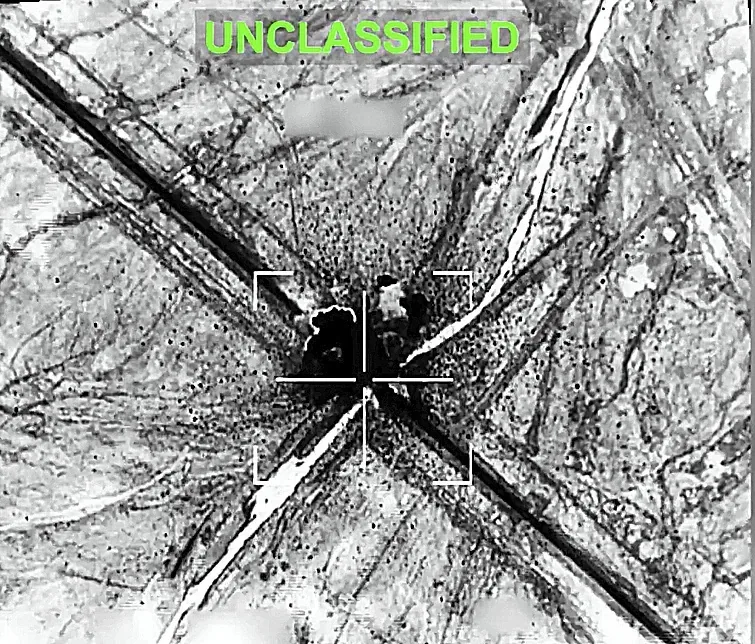
In recent days, however, the US has not only targeted military objectives in Hormuz. According to Iranian state media, several bombings focused on the port city of Bandar Abbas and the nearby islands of Qeshm and Larak. Twenty-four hours earlier, they denounced the attack on several bridges located on routes connecting to that city. It is a strategic place for housing a naval base and managing more than half of Iran’s maritime traffic, but above all for being opposite the Strait of Hormuz in Hormozgan province.
According to the deputy governor of this province, several missiles hit electrical facilities and the pumps of the Bonji desalination plant, on the coast, leaving 20 villages without water supply. The Iranian state entity IRIB, meanwhile, indicated that bridges and a tunnel on a road connecting Bandar Abbas with Hajiabad were also hit. The attacks caused at least 12 deaths, reaching 50 in the last three weeks, according to Iranian authorities.
Read more No one can handle Cucurella, Spain’s ‘Dryer’: «You have eaten it up»
CENTCOM reported that its fighters, drones, and warships, among others, attacked “surveillance sites, military logistical infrastructure, underground weapons depots and maritime capabilities“. The US military, which has 50,000 troops in the Middle East, “watchful and ready for action,” states that it continues to demand “accountability” from Iran and maintain the “naval blockade of Iranian ports.” The US decided to send more tanker aircraft to Israel to reinforce its aerial refueling fleet in another move confirming the rising tensions.
So far, Iran has not attacked Israel, as it has done with Kuwait in the last two weeks. “Another power generation and water desalination plant was the target of a hostile attack that caused a fire in one of its components,” sources from the Ministry of Electricity declared. Kuwait later reported an Iranian attack on a “vital” facility in its oil sector that caused “significant” damage and several injuries. According to an Iranian military spokesperson, this is the first phase of attacks on energy infrastructure in the region in response to those carried out by the US.
The Ministry of Foreign Affairs of Kuwait denounced that the attacks on civilian targets are part of a “systematic hostile strategy”. Jordan, meanwhile, shot down four drones and 10 Iranian missiles. Bahrain, which woke up to sirens, neutralized several attacks during the night. In this small Arab country is the headquarters of the US Fifth Fleet. The neighboring attacked countries, including Qatar, which acted as mediator along with Pakistan between the Trump Administration and the new-old leadership of the Islamic Republic of Iran, condemned the “Iranian aggressions” and called for an end to the escalation.
The Revolutionary Guard sent them a message: “Countries hosting US occupation forces, which have ceded their territory to these criminal invaders to launch attacks against Iran, must be prepared to receive a corresponding response.” In its warning, it resorted to the Quran: “We have no other option but the Quranic mandate: ‘Whoever attacks you, attack them in the same way they attacked you’.”
Read more Last training session of Spain before the final canceled due to a severe storm