



A woman, who probably did not know she was carrying a bomb, exploded into pieces. The agent who stopped her and prevented the device from reaching its recipient died instantly. The package was addressed to the banquet of Alexander Chayko, considered responsible for the massacre of Ukrainian civilians in Bucha during the early days of the 2022 invasion.
Read more The Russia-Iran alliance merges the wars of Ukraine and the Gulf
There is no information placing the general among the victims, but his 25-year-old daughter Maria may have been injured. The independent Russian media Verstka linked her to a woman admitted for an open cranioencephalic trauma. This is an injury where an object or fragment penetrates the skull and may enter the brain tissue, posing a clear risk to life. The list of victims also includes her husband, Daniil Peredriy, 27 years old. Blogger Anatoli Shari claimed he had died. Verstka connected the injured woman with Maria Chayko because they are the same age and because the general’s daughter appears in leaked database records under the surname Peredriy.
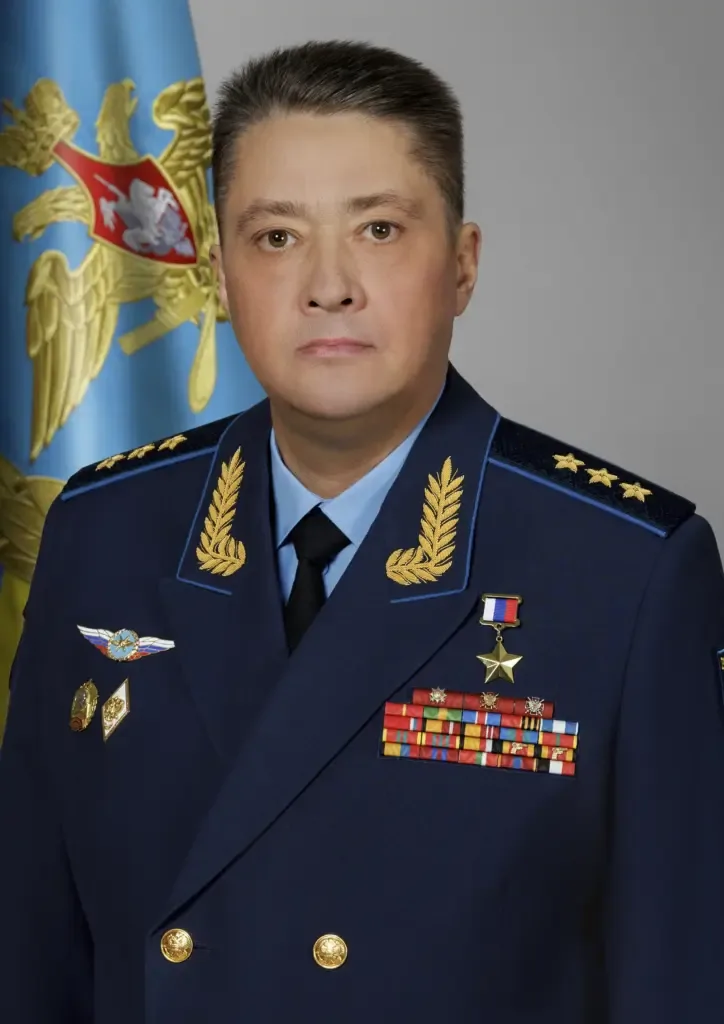
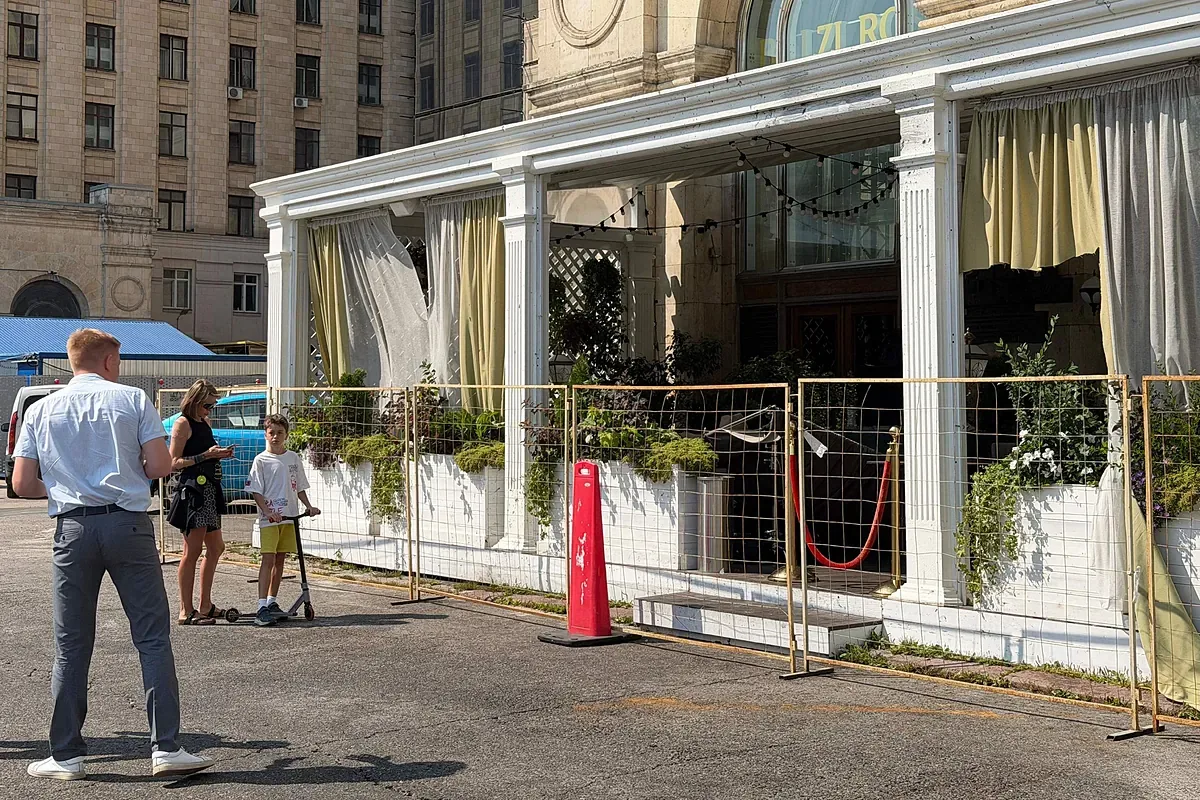
The Saturday attack ultimately left five dead and more than 20 injured in central Moscow. Russian authorities have not confirmed that the commander-in-chief of the Aerospace Forces was at the Balzi Rossi restaurant when the bomb exploded. Several Russian media outlets and Russian Telegram channels claim that a birthday party in his honor was being held at the venue, attended by high-ranking military and political officials.
The death toll rose to five on Sunday. Two of the injured died in the hospital and at least six remained in serious condition. Russian authorities have not publicly identified the victims nor explained where Chayko was at the time of the explosion.
The restaurant had been reserved on Saturday for a private event. On the stage there was an inscription with the words “Alexander 55”, one of the clues linking the banquet to the general’s recent birthday.
The explosive device detonated around eight in the evening on Saturday, Moscow local time, when a messenger tried to bring it into the restaurant. The woman approached the venue carrying a box she was supposed to deliver to the guests and said it contained a gift. A security agent became suspicious and stopped her before she entered the hall. The explosion occurred while the guard was inspecting the package.
The woman, the security agent, and one of the attendees died instantly. The device apparently contained metal balls and had a power close to one kilogram of dynamite. Sources from the investigation cited by the Russian newspaper Kommersant claim the bomb may have been detonated remotely.
The party was under heavy surveillance by the FSO, the Russian service responsible for protecting the president and other high-ranking state officials. Access control prevented the device from reaching the hall where the guests were, but did not prevent the massacre at the entrance. Ukraine has neither claimed responsibility for the attack nor commented on the accusations spread from Russia.
Read more How has Spain become a powder keg? The cocktail that has fueled the devastating wildfires, in charts
Chayko has long been on Ukraine’s blacklist. At the start of the large-scale Russian invasion in 2022, he led the forces deployed in northern Ukraine during the attempt to take Kyiv. Under his command, units occupied Bucha and participated in so-called “cleansing” operations, during which hundreds of civilians were killed.
Death from a distance
A pattern repeats in attacks attributed to Ukrainian services inside Russia: relatively small charges hidden in cars, motorcycles, or everyday objects, placed near a specific person and activated when they appear. In some cases, collaborators recruited within Russia have been used. In others, Russian authorities claim intermediaries were used who may have been unaware of the true nature of the task. Ukraine rarely officially claims these actions. The authorship is usually revealed later through anonymous sources from their security services.
The list of those eliminated by Ukraine is extensive. Daria Dugina, daughter of ultranationalist ideologue Alexander Dugin, died in August 2022 from a bomb placed in her car. Propagandist Vladlen Tatarski was killed in April 2023 with an explosive hidden in a statuette that a young woman handed him during an event at a café in Saint Petersburg. A month later, a bomb placed under the vehicle of ultranationalist writer Zakhar Prilepin killed his driver and left him seriously injured.
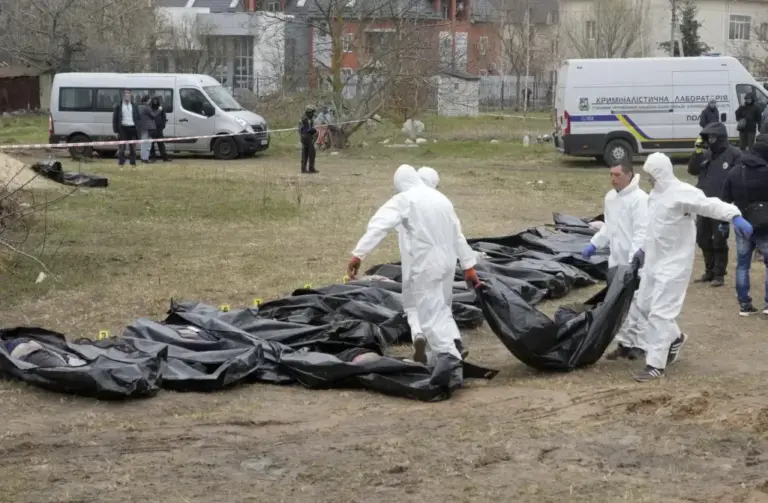
Russian high-ranking military officers have become priority targets. In December 2024, General Igor Kirillov, head of the Russian radiological, chemical, and biological defense troops, died along with his aide from a bomb hidden in an electric scooter in front of his building in Moscow. A source from the Ukrainian secret service SBU acknowledged the operation then.
In April 2025, General Yaroslav Moskalik died when a car parked next to his home in Balashikha, Moscow region, exploded. Last February, the number two of Russian military intelligence, Vladimir Alekseyev, survived after being shot several times in a residential building in the capital. Russia accused Ukrainian services of organizing both attacks.
After more than four years of large-scale war against Ukraine, the Russian security service FSB announced at the beginning of 2026 that it would strengthen the protection of high-ranking military officers. The attack has shaken Russia’s warmongering chorus, uncomfortable with the news that generals celebrate parties in luxury restaurants while Russians struggle to get gasoline or watch warehouses of online shopping companies burn.