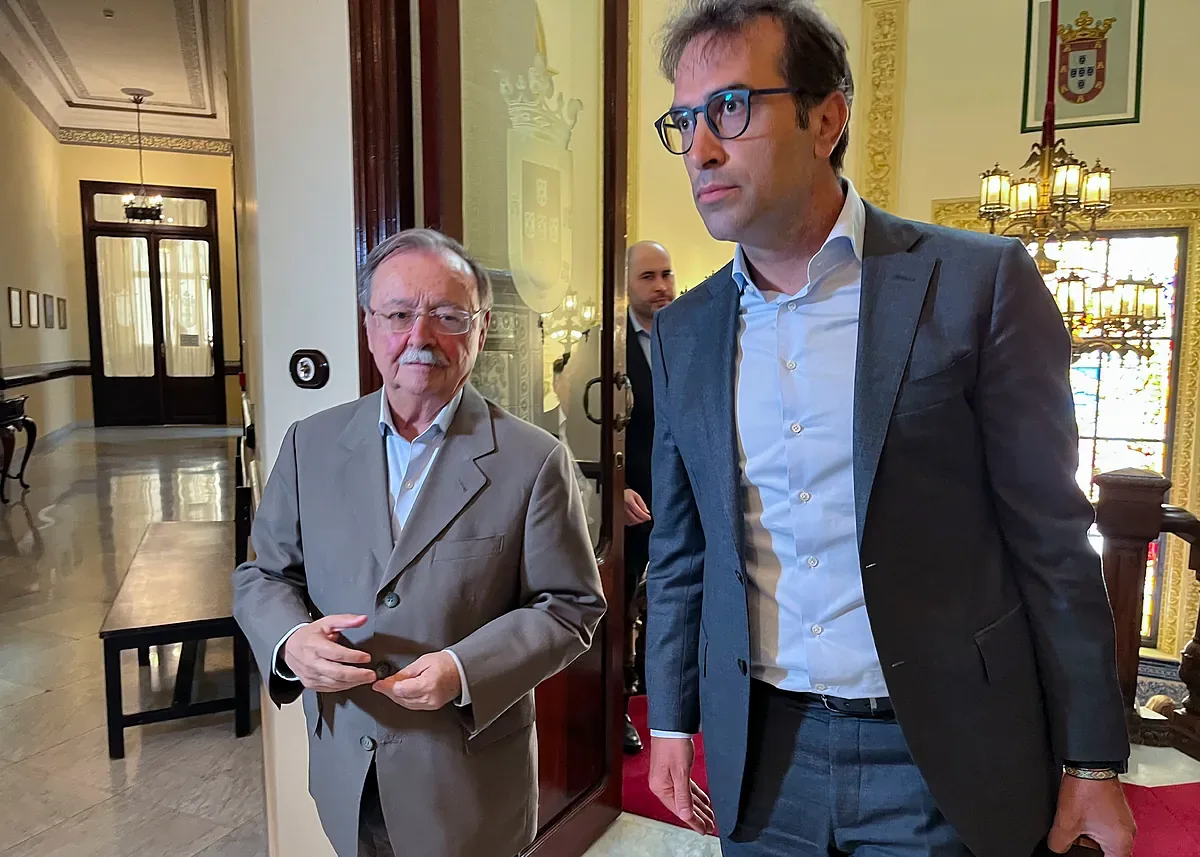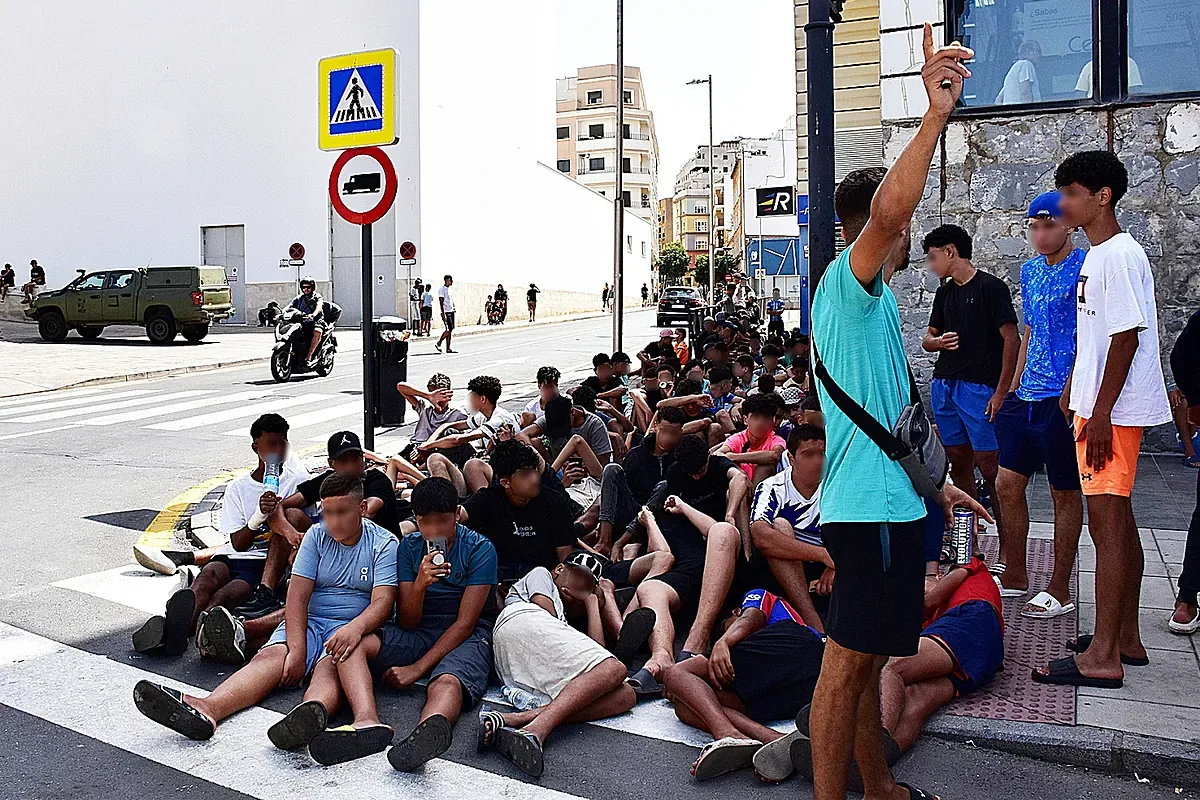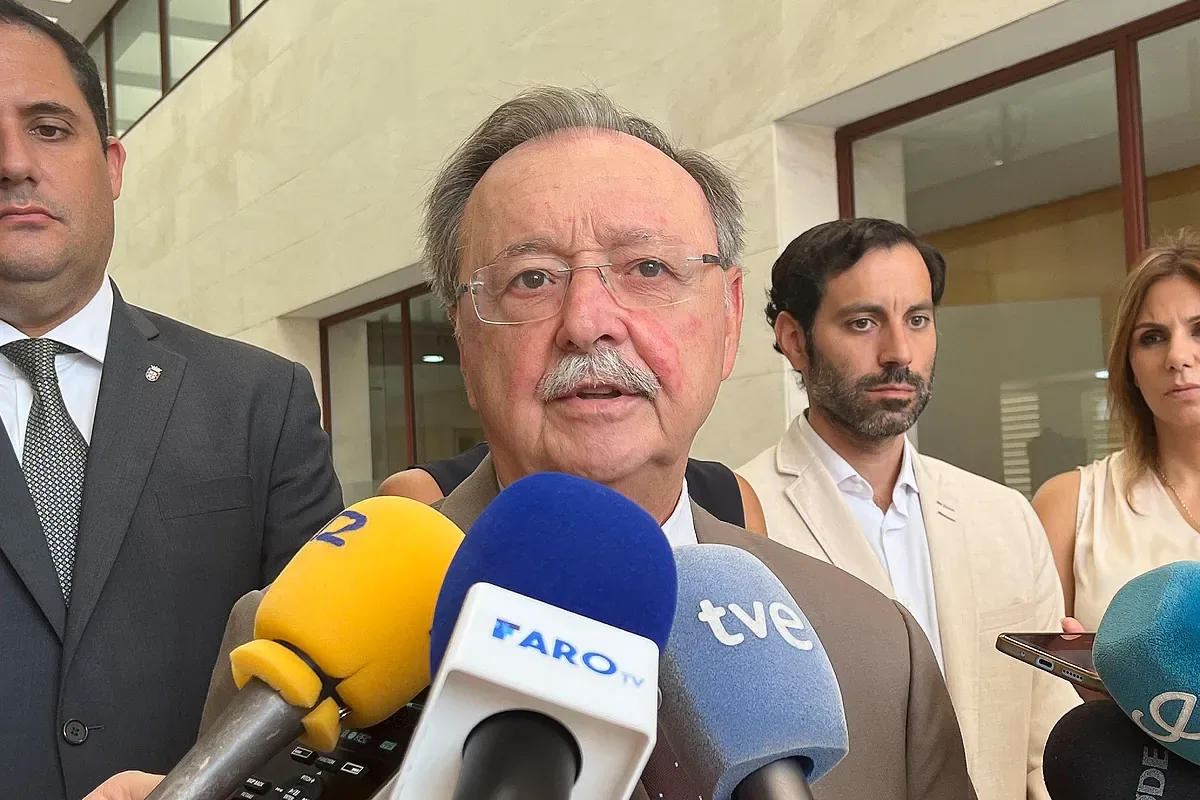





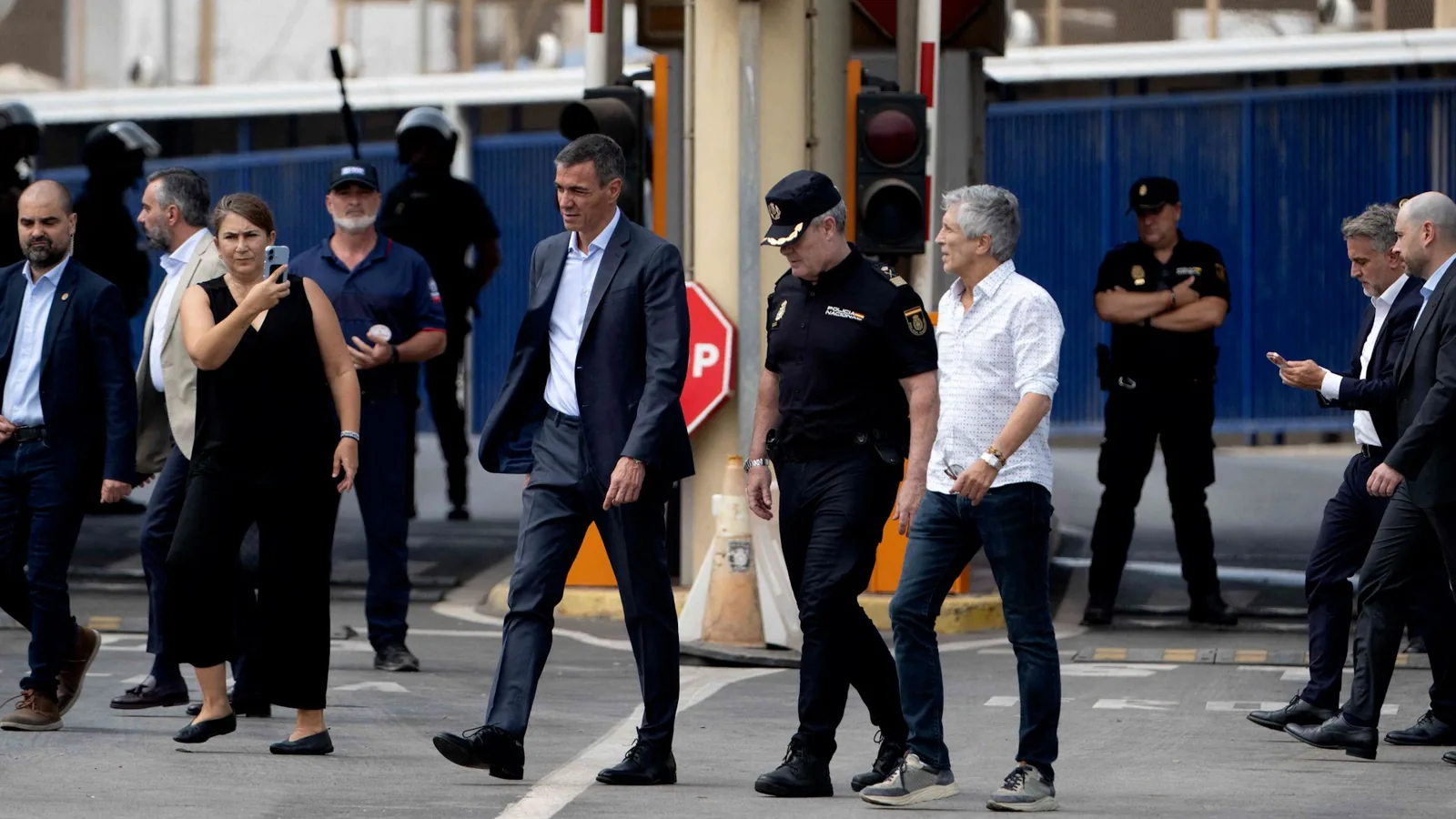
The Government’s eagerness to free Morocco from any responsibility regarding the massive crossing of swimmers to Ceuta has also resulted in a clash between ministries. This Sunday, the Government delegate in the autonomous city, Miguel Ángel Pérez, stated that they had “no information of any kind” until they began “to see those people entering through the border in that way.” A phrase with which he would shift the responsibility to the Spanish intelligence services, dependent on the Ministry of Defense and which, by their very nature, cannot defend themselves. In the same vein, the Interior Minister, Fernando Grande-Marlaska, had pointed out when the day before yesterday he maintained that “there is no report that a situation like that of the 30th could have arisen.”
Read more Lactalis Spain grows by 1.7% and exceeds 1,209 million euros of direct socioeconomic impact in 2025
Although all sources consulted attribute the surge of swimmers to “a massive call effect,” it is also becoming obvious that the Moroccan autocracy, led by Mohamed VI, did nothing to prevent the passage of thousands of people across the border and perhaps the informants on the ground learned about the surge late. Because such a tide can be detected in several ways. The first is through images from surveillance satellites, although these photographs from Space can be misleading and are not entirely reliable, says a knowledgeable source, who also explains that the most reliable method is to monitor the activity of telephone repeaters, as it accounts for the increase in the number of people in an area and since when it has been happening.
Every summer, weather conditions motivate arrivals of migrant people to the Spanish beaches. Although it is a phenomenon that occurs more in arrivals by small boats and extends until the beginning of autumn, as the sea is calmer and it seems easier to reach the Spanish coast. This is information handled by all parties involved.
Furthermore, President Pedro Sánchez pointed out that the flood of arrivals could have been triggered by a “spread on social networks, through mafias, of an interpretation […] of a Supreme Court ruling” that prohibits hot returns to those who enter by swimming. If it had gone viral, how could it not have been detected in time?
But beyond whether it was known or not that this phenomenon would happen — which all points to being impossible to calculate for the Spanish services due to that massive call effect in a short time — there is a counterpart that must respond, sources from Defense indicate, and that is the one involving the Ministry of the Interior, since they are responsible for the direct control of the borders, they emphasize.
The Government delegate stated yesterday that the deployment of agents from the State Security Forces and Corps (FCSE) in Ceuta rose to 1,042 people after appreciating the magnitude of the contingent of people who arrived on Thursday, while before it was only 696 agents, which proved insufficient to contain the surge. “Immediately, all the necessary additional means were made available to face that situation,” Marlaska defended on Saturday.
The truth, in any case, and according to what the Government delegate stated yesterday, is that “no one had information” that tens of thousands of people were heading to Ceuta from Morocco until this happened. And that the deployment proved insufficient, according to police unions’ complaints. Interior pointed to the intelligence services when Marlaska said there was no “report” warning; the Defense Minister, Margarita Robles, has not yet spoken — she has two events today —.
Meanwhile, Moncloa insists on exonerating Morocco. Sánchez did so on Friday: he limited himself to praising that the “dialogue” with the neighboring country was “constant and fluid” on Thursday. And Marlaska also did so the day before yesterday: he repeated that Morocco “is not a threat” and deferred to a future “evaluation” with the neighboring government of what happened. Neither answered the question of how it is possible that Rabat did not warn about such a flow of people towards Ceuta.
The truth is that, since the massive jump over the fence of this city that occurred in 2021, after the diplomatic crisis over the reception of the leader of the Polisario Front in Spain, Sánchez’s Government has been especially careful not to again provoke a rupture in the relationship with Morocco. It recognized Rabat’s position on Western Sahara to close that crisis and to get the neighboring country to commit to reopening the commercial customs in Melilla — which Morocco unilaterally closed in 2018. However, this was delayed and, in July 2025, Rabat closed the crossing again, with hardly any reproach from the Spanish Government.
Spain also did not point to Morocco when it revealed that espionage had been carried out through Sánchez’s and several ministers’ mobile devices — including Marlaska and Robles — with the Israeli software Pegasus. Espionage that, in some cases, coincided with the dates of the massive jump over the fence in Ceuta, although the Government only labeled that as an “external attack,” without pointing fingers. This time, it avoids pointing outside its borders.