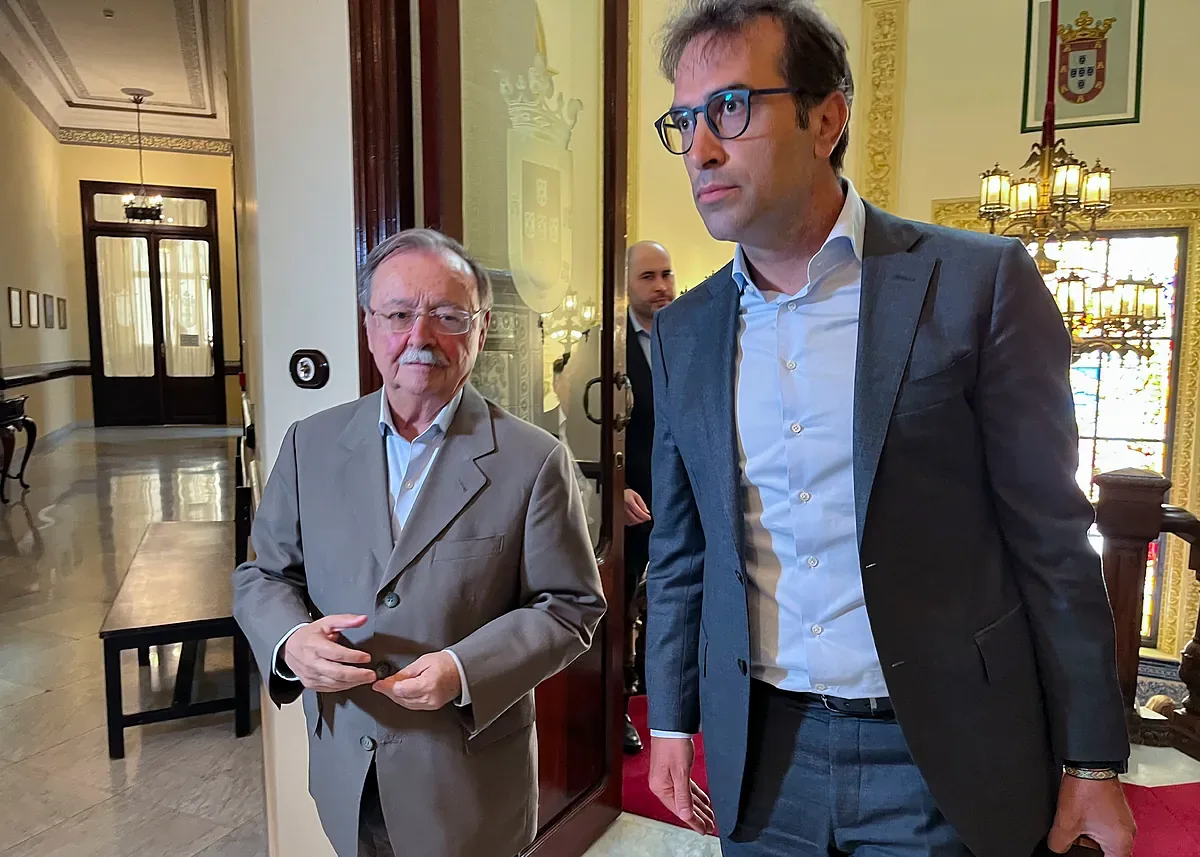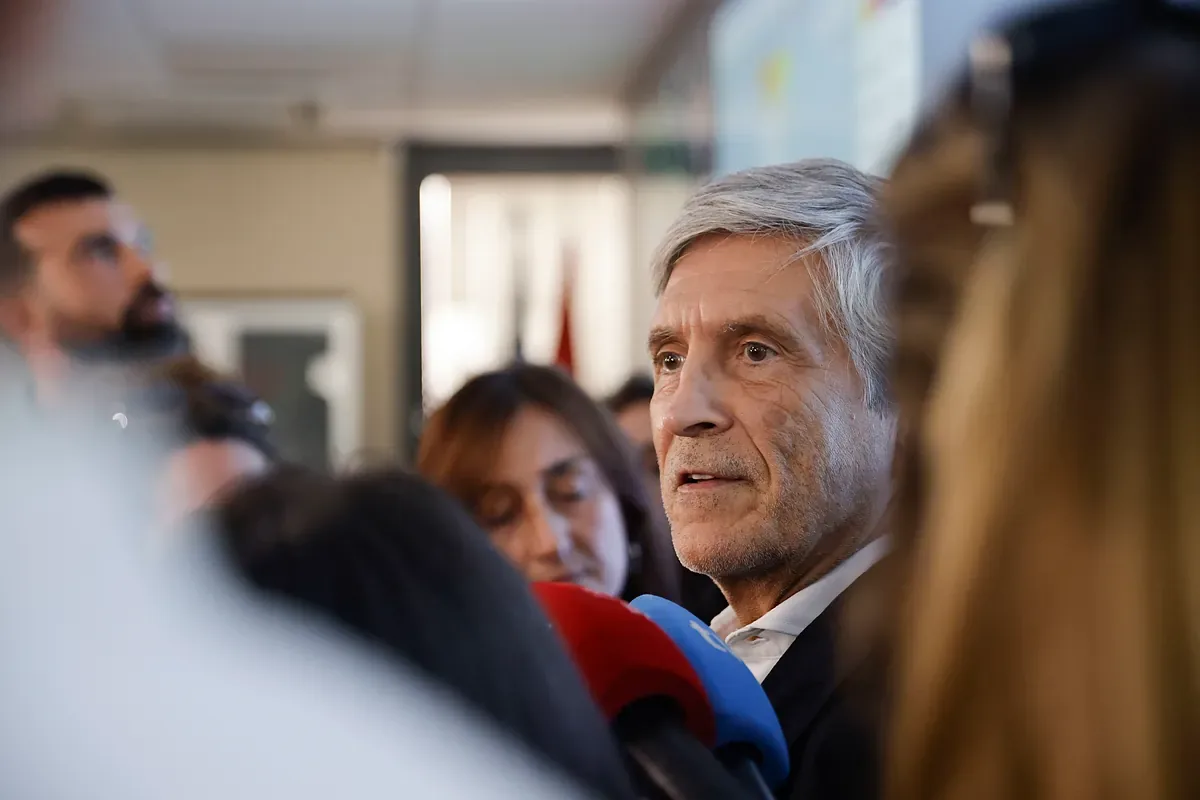



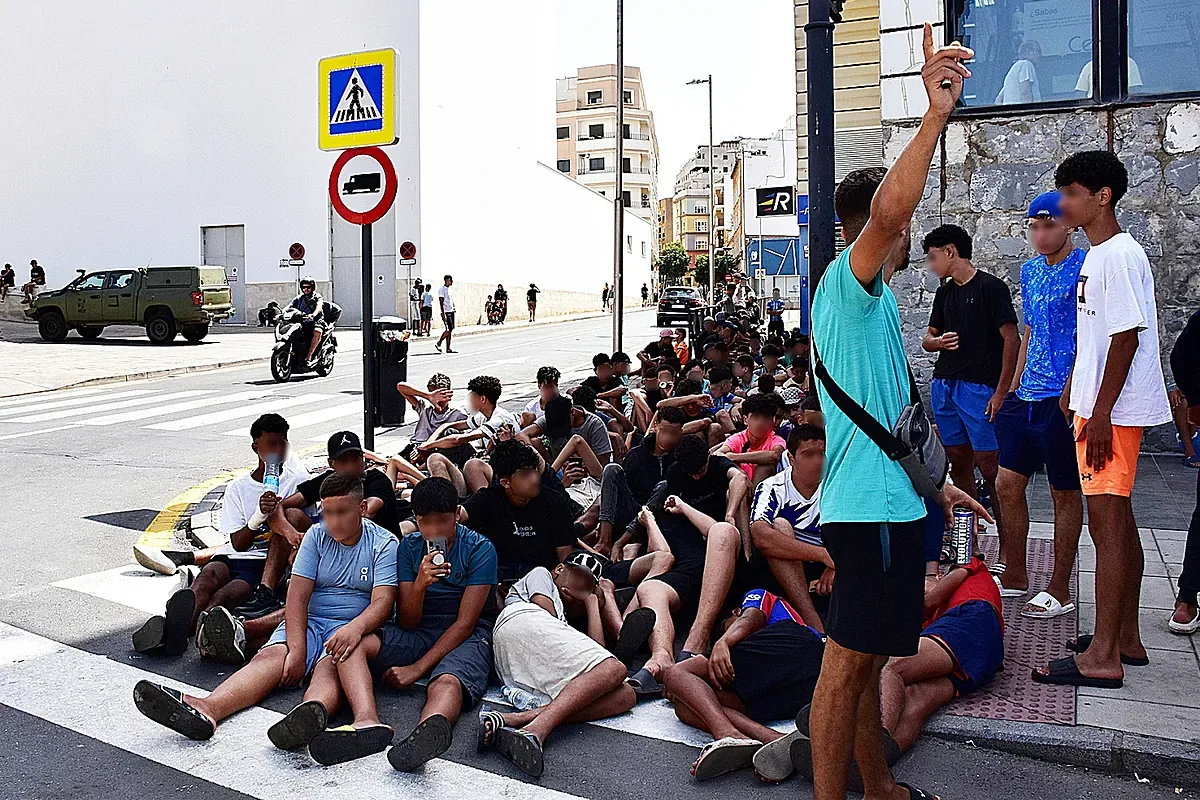
«The normality of the streets, being able to have Ceuta as it was before the end of July, is what we have to achieve,» said the Minister of Territorial Policy, Ángel Víctor Torres, yesterday. However, that scenario is still far from being reached, according to various civil groups on the ground and also the president of the city, Juan Jesús Vivas. And that «normality» remains distant not only because up to 11,000 immigrants of the 80,000 who arrived on July 30 are still on the streets of Ceuta, but also because the city is adjusting its reality to respond to this situation and prevent it from happening again. The chosen path: to fortify itself.
Since that day when the avalanche of irregular entries into Ceuta occurred, 2,000 soldiers have been deployed on the ground. That is: there is one Armed Forces member for every 42 inhabitants, a ratio that shows the degree of militarization the city now lives in – on average in Spain there is one active member for every 427 people. The Ceuta government, far from considering this deployment excessive once the peak of the crisis has passed, asked yesterday, through Vivas, that «the mobilization of the Army in the streets, in critical and strategic infrastructures» be maintained until «normality returns».
The new reality facing Ceuta is also well illustrated by the decision taken yesterday by Defense: to order the cancellation of all leave for its soldiers stationed in the city from next Thursday until further notice, according to a document from the General Command of Ceuta reported by Efe.
The «family reunification» of minors is considered a «priority»
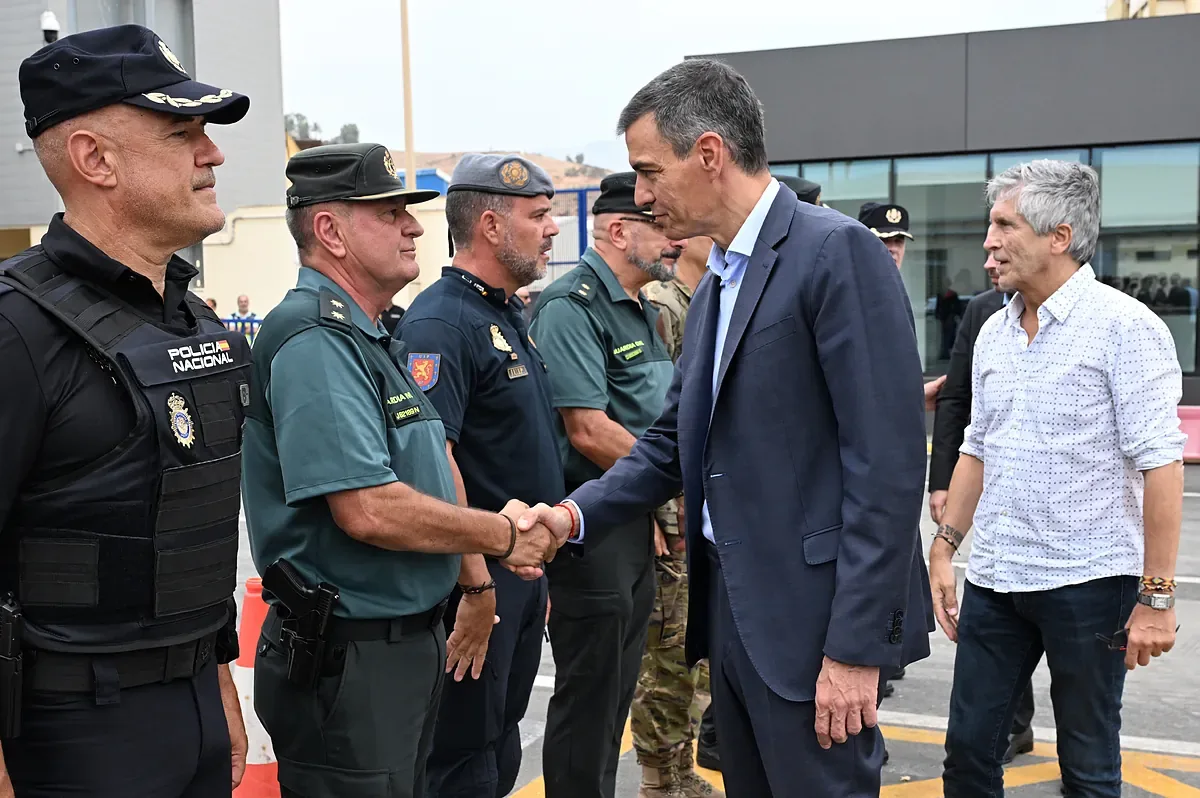
The same instruction was also issued by the Civil Guard. «Given the security conditions that must be guaranteed in the two autonomous cities, it is considered necessary to adopt extraordinary temporary measures regarding vacations, leave, and permits,» reads the memo accessed by this newspaper. Since July 30, more than a thousand National Police and Civil Guard agents have been deployed in Ceuta – including 225 riot police and citizen security agents – when usually the deployment is barely 700.
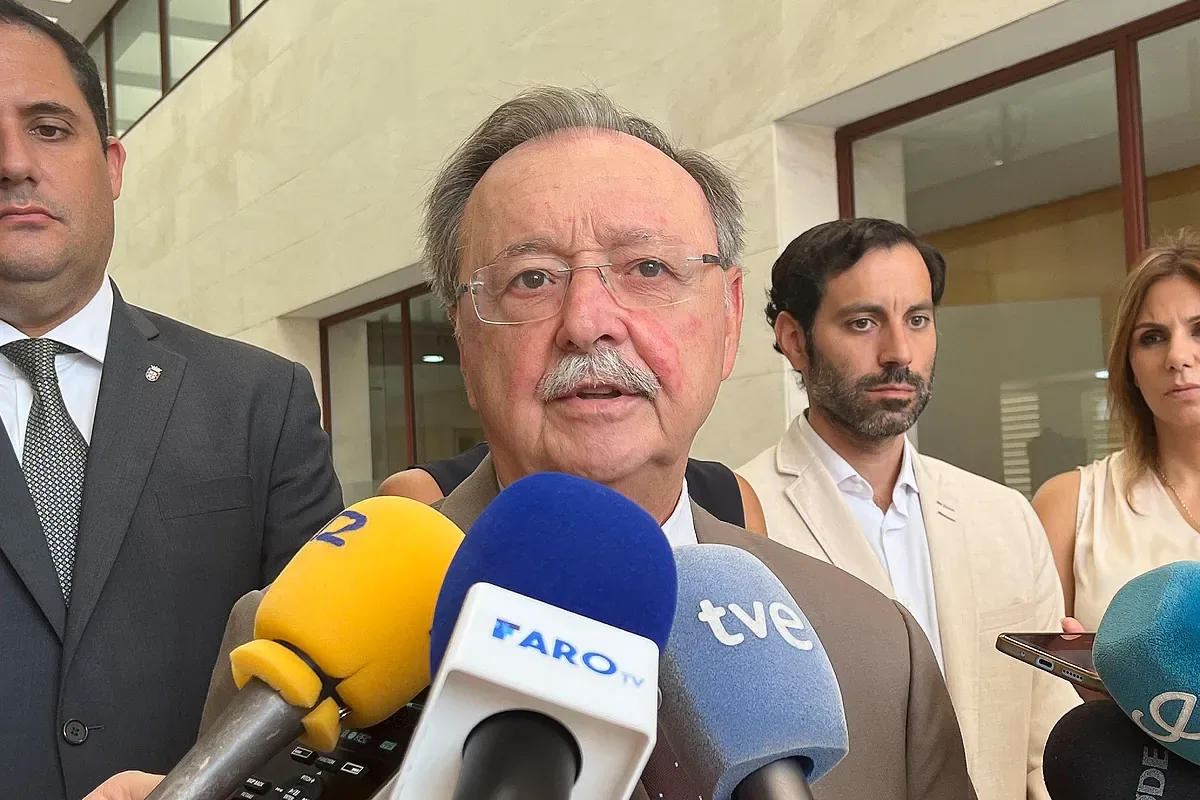
Even so, the Ceuta government demanded yesterday «a substantial increase in the State Security Forces and Corps,» all framed within Vivas’s desire for «an unequivocal message from the national government that the border’s security is guaranteed.» Because on July 30 «we saw that this was not the case, that the border was in the hands of a third country,» the leader said yesterday, justifying his calls to fortify the autonomous city.
These words will be addressed today by the Minister of Foreign Affairs, José Manuel Albares, who will visit Ceuta 12 days after the avalanche and meet with Vivas, as Torres did yesterday; last Saturday, the Minister of Childhood, Sira Rego, did so; and soon the Minister of Defense, Margarita Robles, will do so. This deployment of authorities also reveals the shielding into which the city has been entering in recent days in the face of the still persistent threat that Morocco might again tolerate an avalanche like that of July 30.

The tightening of security measures in Ceuta is not only felt in the deployment of agents but also in what the autonomous and central governments are proposing to solve the situation of migrants who are still in the city.
There are more than 3,000 agents on the street; Vivas asks for them to stay and bring more
On one hand, regarding adults, Vivas asked yesterday to «enable a space to act as a Foreigners’ Internment Center (CIE), where these people can be admitted and remain confined.» In such a center, migrants have «their right to roam restricted» – although it is not of a penitentiary nature – a measure that the Ceuta president sees as «perfectly justified» because, he said earlier, those who continue «roaming» around Ceuta are «generating insecurity» and «being a high risk for coexistence.»
Adding to the harshness of this measure is that both Vivas and – even more notably – Minister Torres established as a «priority» the «family reunification» when resolving the situation of the 1,400 unaccompanied minor migrants currently in Ceuta. A commitment to return them to their families – when in other migration crises the emphasis has been more on reception – that reflects the new reality the city assumes. «Enough already. Ceuta does not surrender,» more than 5,000 neighbors shouted at the unprecedented Sunday gathering, where the call for coexistence was combined with the demand for an «immediate, decisive, and proportionate» response to what happened.