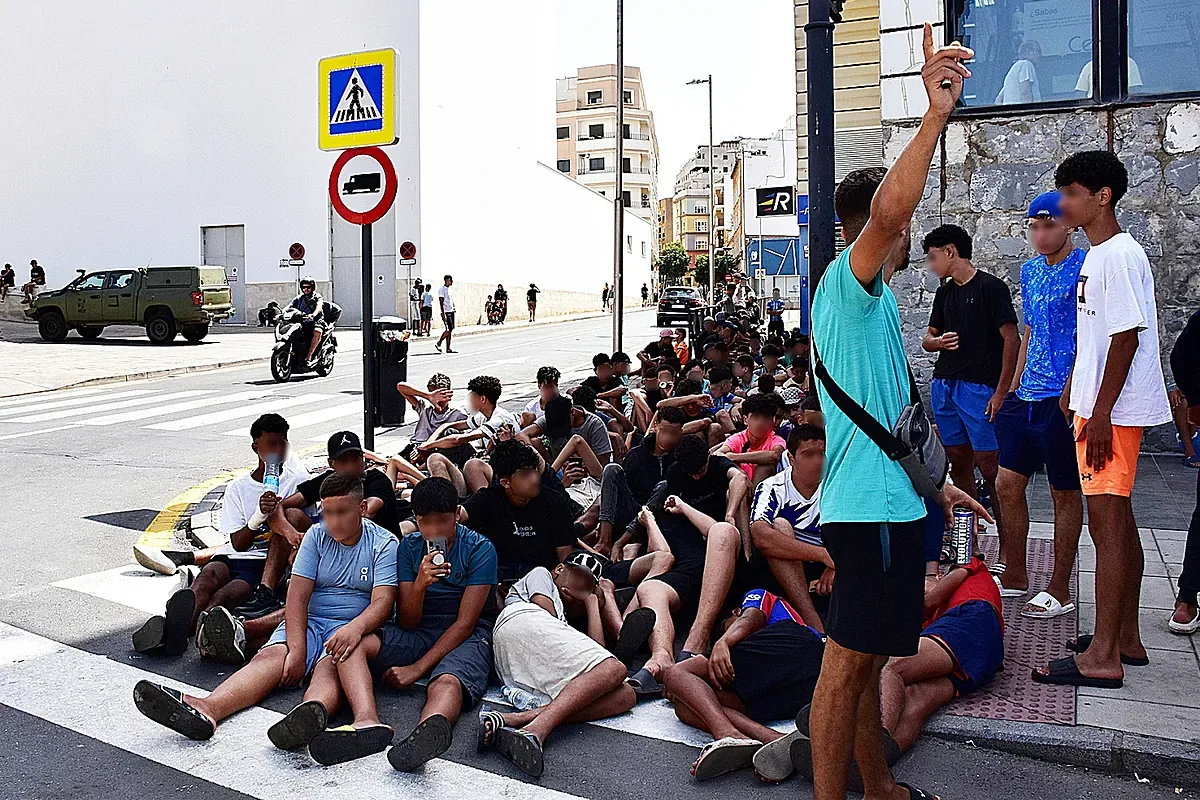



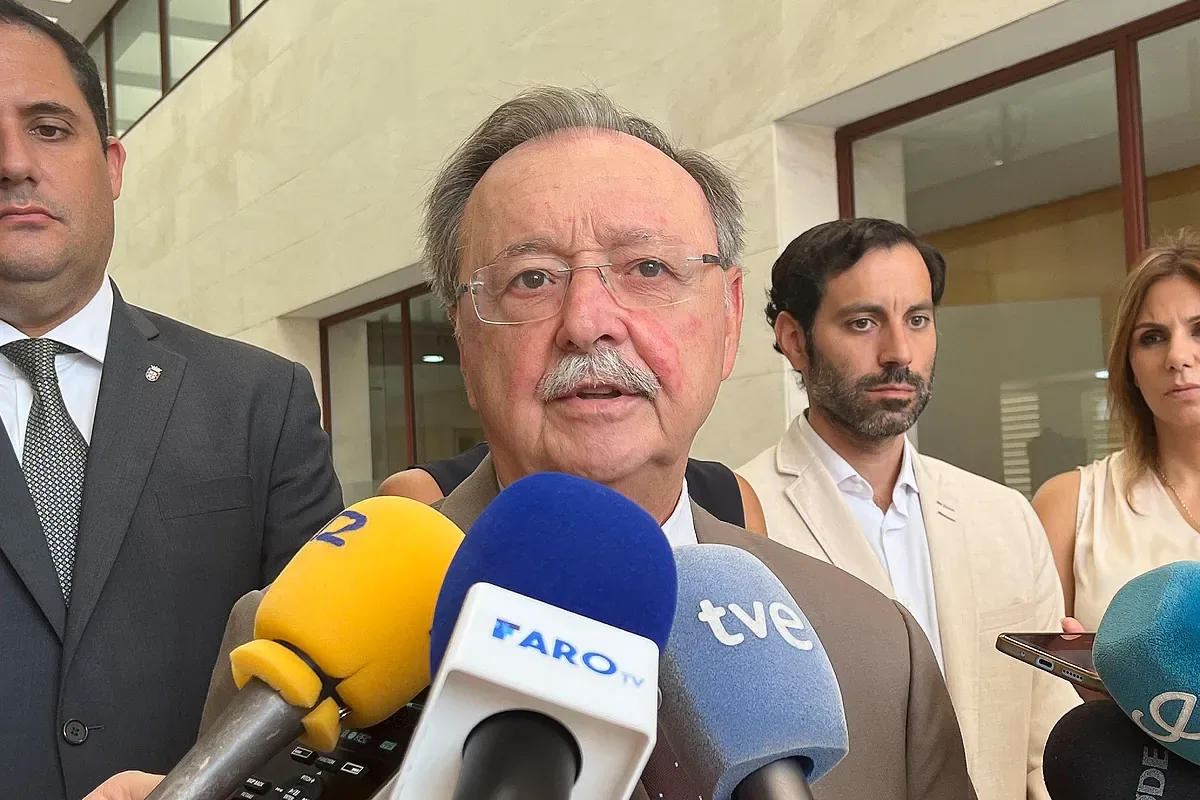
According to the data managed by the Ceuta Government, between 8,000 and 11,000 people who entered the city irregularly on July 30 remain there. This would be at least 10% of the total migrants who accessed that day – between 72,000 and 80,000. A situation that the autonomous president, Juan Jesús Vivas, has described as “unbearable” and “unsustainable” and before which he requested this Monday a “necessary” and “priority” measure: “Enable a space to act as a Foreigners’ Internment Center (CIE), where these people can be admitted and remain confined.”
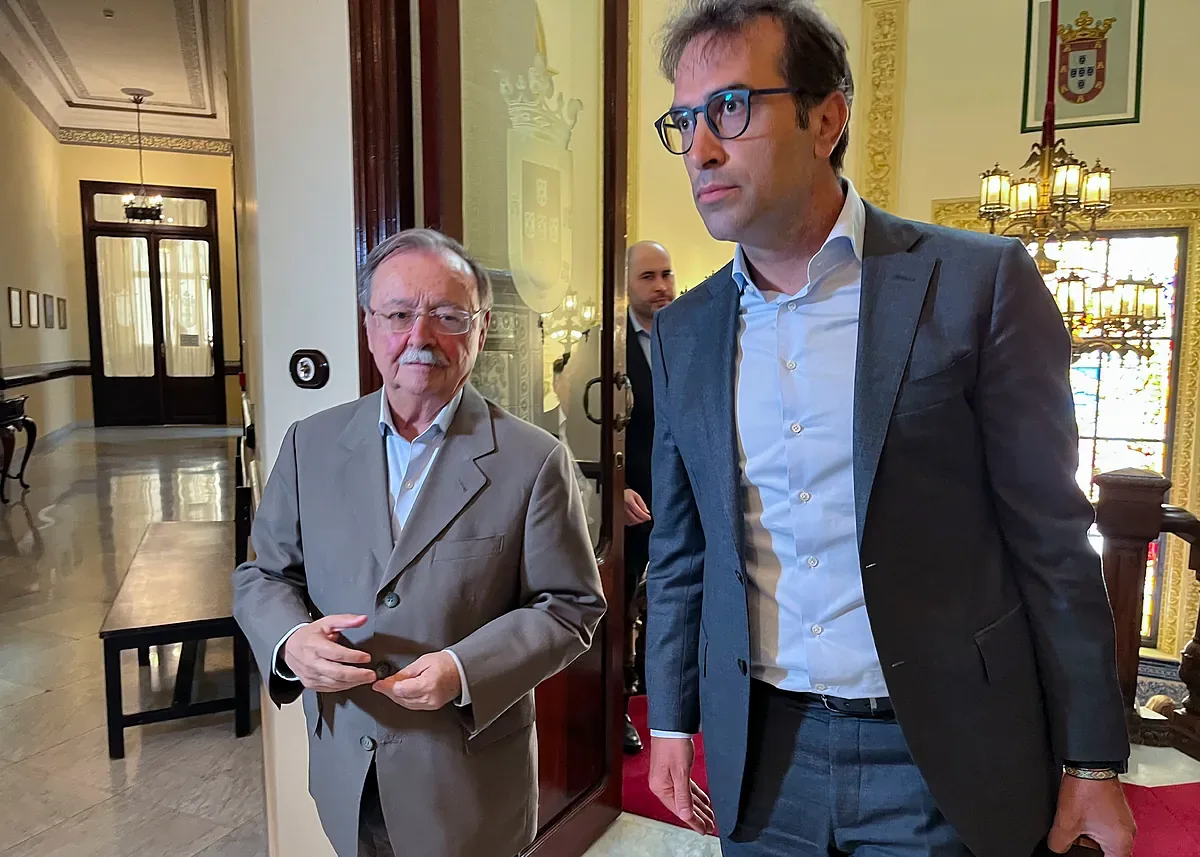
According to the Ceuta executive, this would be the way to cover the basic needs of these migrants, while “ensuring that they are not on the streets” and “that the expulsion files can be processed more quickly and easily.” After his meeting with the Minister of Territorial Policy, Ángel Víctor Torres, Vivas stated that the “thousands of people” who continue “wandering” around the city are “creating insecurity” and “being a high risk for coexistence.”
The CIE that Vivas asks to enable differs from the Temporary Stay Center for Immigrants (CETI) that the city already has in that, in the case of the one requested by the Ceuta government, the immigrants housed have “deprived of the right to move freely” – although the center does not have a penitentiary character. “They will have restricted freedom of movement for objective and perfectly justified reasons, until the expulsion files are processed and completed,” Vivas said.
Regarding the latter, the Ceuta president has also urged that the files opened for each immigrant who arrived in the city be “processed with the urgency the case requires.” For this, he has demanded more material and, above all, human resources to complete this process, with reinforcements in the areas of Immigration, Justice, Prosecutor’s Office, Police… For Vivas, only by “expelling” the irregular immigrants who remain in the city will it be possible to “recover” “normality” in Ceuta.
At the same time, the autonomous president has insisted on his demand that the crisis facing the city be managed with a “single command” from the central Government. That is, Vivas wants Moncloa, through all the ministries involved in this situation, to “be tasked with coordinating, directing, and carrying out the monitoring and evaluation” of the steps to be taken. The central Government rejected this possibility when Vivas requested it on July 30, the day the avalanche of irregular entries through the border with Morocco occurred.
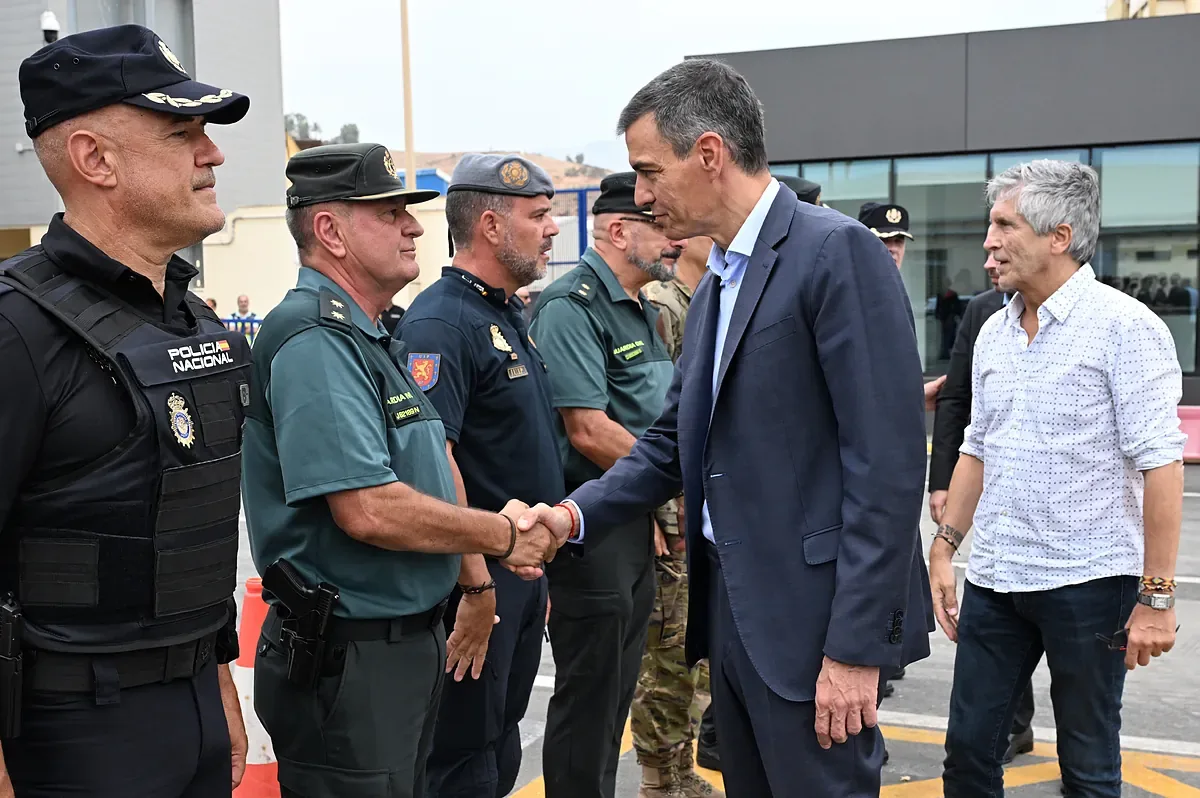
The President of the Government, Pedro Sánchez, convened a “coordination” meeting last Friday with the competent ministers – Defense, Interior, Migrations, Childhood, and Foreign Affairs – to address the situation in Ceuta. Vivas, however, also asks to have a voice in that coordinating body of “single command” that he demands.