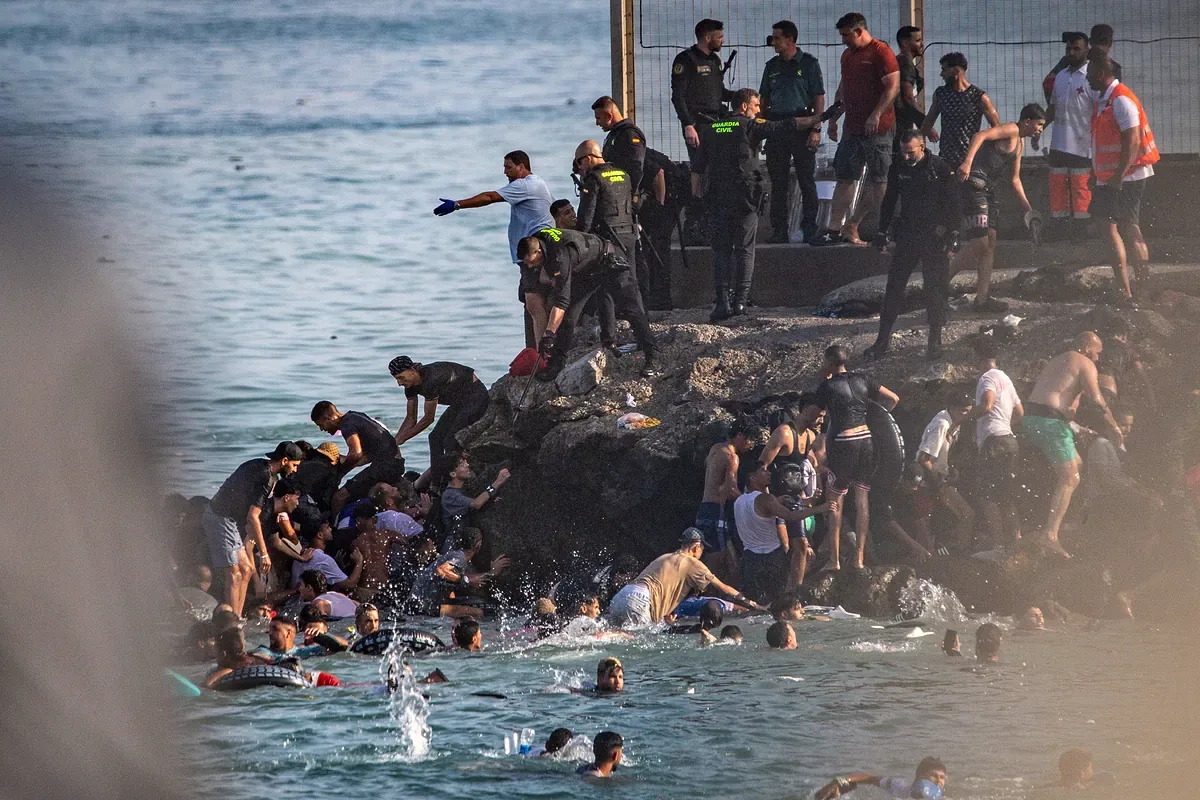



The effects of the massive influx of migrants on July 30 in Ceuta have fully impacted the commerce and hospitality of the autonomous city. The Ceuta Business Confederation estimates losses between 40% and 70% compared to the previous year and demands the Government the urgent implementation of measures proposed by the employers to contain the impact. “These are urgent measures, not a recovery plan. That will come later,” explains to EL MUNDO the secretary general of the Confederation, Juan Manuel Parrado.
The proposals were submitted about a week ago to the first vice president and minister of Economy, Commerce and Business, Carlos Cuerpo, but the entrepreneurs say they have not yet received a response. “We met with the minister today. His willingness and intention are good, but the Government still has not responded to the demands nor established plans with criteria”, Parrado reproaches. “This should have been addressed from the third day. Now it is late. It is a continuous demoralization“.
The Ceuta employers have proposed six measures of special urgency. Among them are a moratorium on payment deadlines to the Social Security, direct financial aid to affected businesses, mechanisms to restructure debt, and measures aimed at protecting employment.
They also demand that the Administration compensate those entrepreneurs who have been forced to hire private security to protect their establishments, and request a simplification of administrative procedures to speed up any aid.
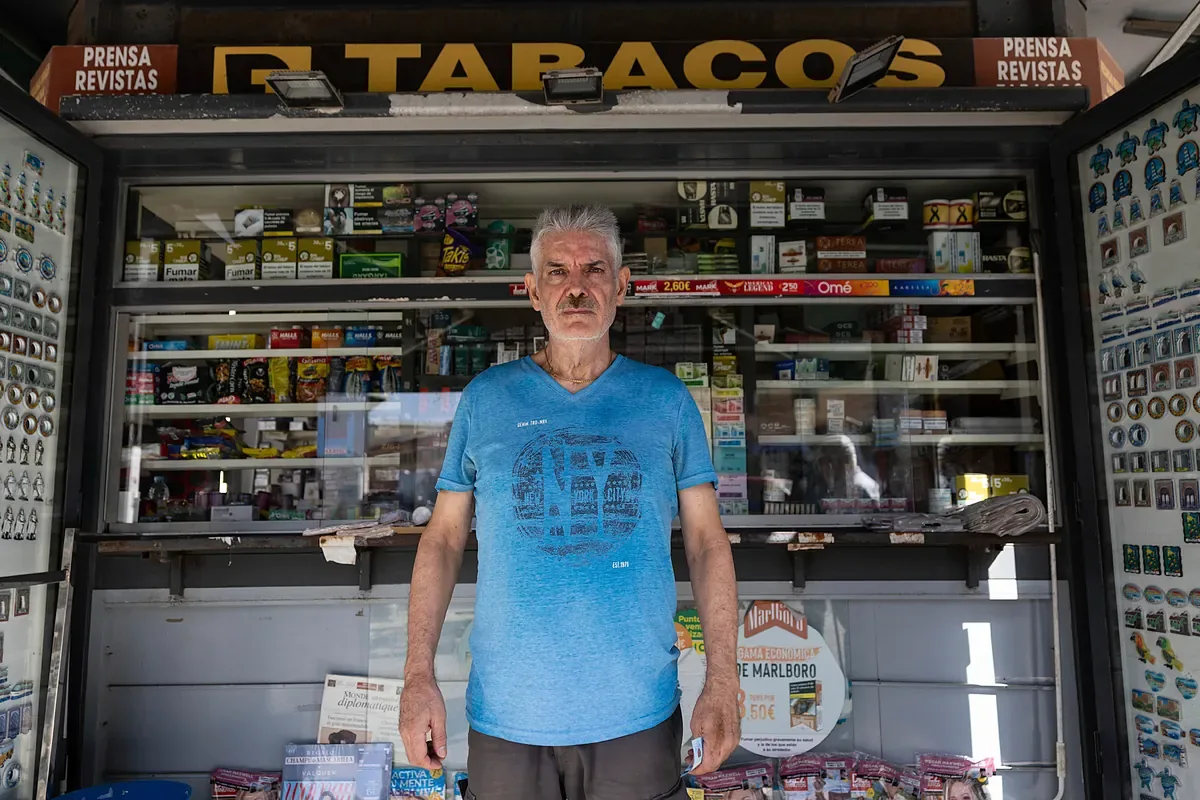
The problem, the Confederation explains, is not only how much money is being lost now, but not knowing how long the situation will continue: “Uncertainty for any company is the worst scenario”, Parrado summarizes. EL MUNDO has toured the commercial streets of Ceuta to see how all this translates on the ground. Miguel Encomiendas Romero has been behind the counter of a tobacco kiosk located in the city center for more than 25 years. Since the massive entry, groups of young migrants buy constantly. He says he is reliving situations he already experienced during the 2021 border crisis. “I have the same problems I had then,” he states.
During the first days, he recounts, a large group of men tried to force the display cases to take products. “I had to take out an iron bar to protect my store,” he says.
That feeling of insecurity is repeated among some merchants, although not all sectors are suffering the impact in the same way. In a perfumery located in one of the busiest areas for visitors, the main problem is not thefts, but that customers have stopped coming. Juan Carlos Román, director of the establishment, says that since July 30 sales have dropped around 70% compared to the same period last summer: “Seeing how the situation is, people do not come to Ceuta,” he laments.
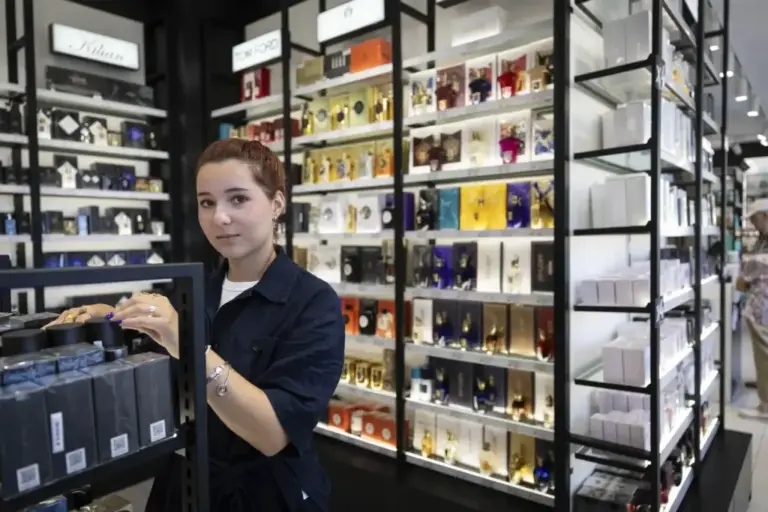
The images broadcast in recent weeks have crossed Spanish borders. According to him, foreign suppliers have called the establishment worried after seeing what was happening on television.
The drop in tourism, combined with the cancellation of the fair, has drastically reduced the flow of customers. “We have had to reduce staff and not hire the usual summer reinforcements. The situation is dramatic.”
Román explains that many travelers who crossed the Strait traditionally included a stop in Ceuta before continuing their journey. “Many people used to take the opportunity to stop here. Now they have removed Ceuta from the route,” he states.
With fewer tourists on the streets, the deterioration is not only reflected in turnover. Some workers covering the afternoon shifts say they feel unsafe returning home and try to travel by car to avoid walking alone on the streets at night.
Pharmacies present a different reality. They have not experienced such a sharp drop in sales, but their workers have observed a strong increase in young migrants coming looking for bandages, gauze, and products to treat wounds.
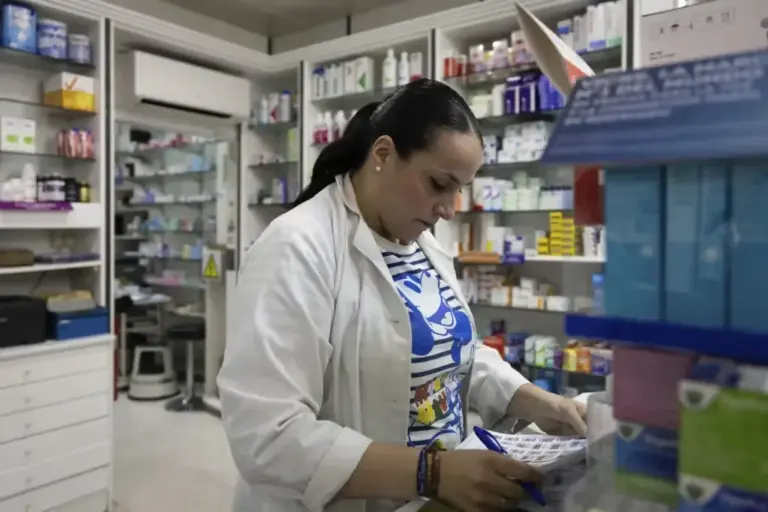
Some avoid going to the hospital because, according to their own accounts, they fear being identified and subsequently expelled. That fear has turned the street into primary care rooms. In different parts of Ceuta, it is common to see young people helping each other to clean or bandage wounds suffered during the border crossing or while staying outdoors.
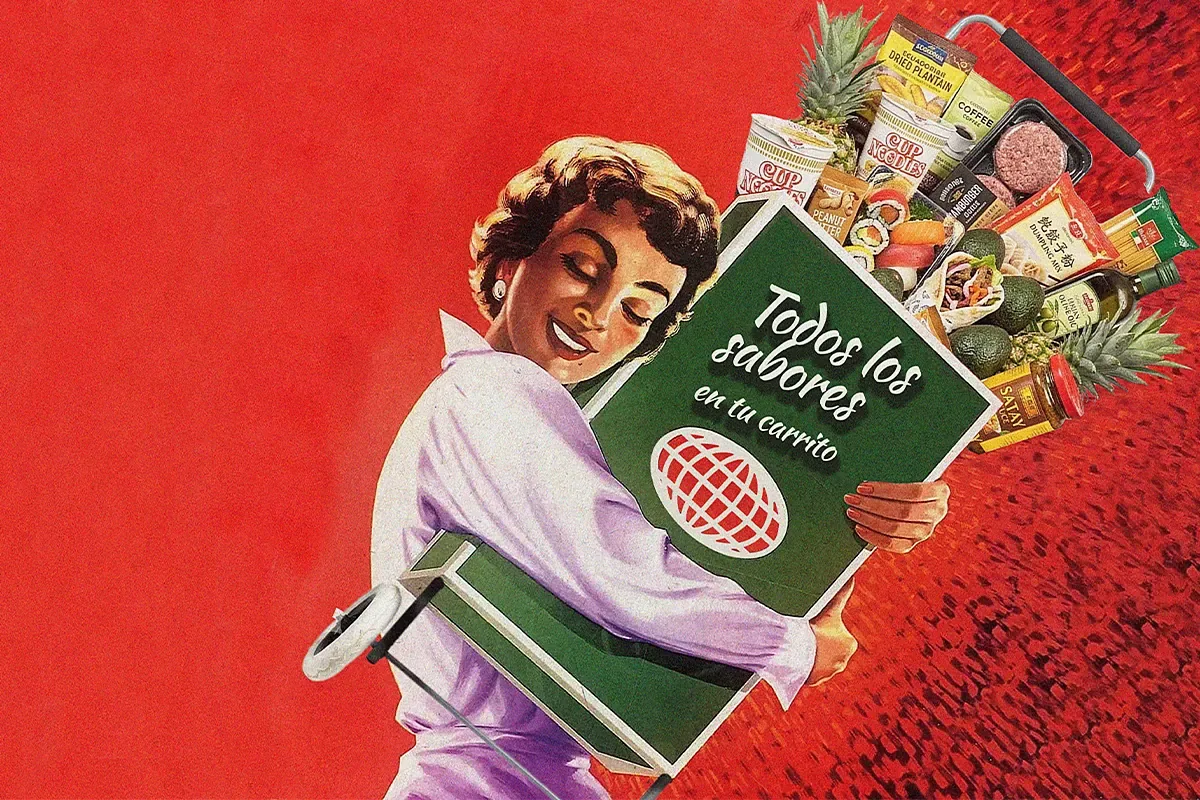
In sports stores the situation is more contradictory. Young migrants are also potential customers. Many buy sneakers, t-shirts, or sports sets. But some establishments also report having suffered thefts and conflictive situations. Celia, Mohamed, and Carmen work at the Dewe sports store and summarize the paradox with a scene from July 30 that still surprises them. “A boy came in with completely wet clothes. He had just crossed swimming. He took a wad of bills out of his pocket and showed us about 5,000 euros,” they recall.
The economic reality of migrants is far from homogeneous: while some cross with nothing, others arrive with large amounts of cash.
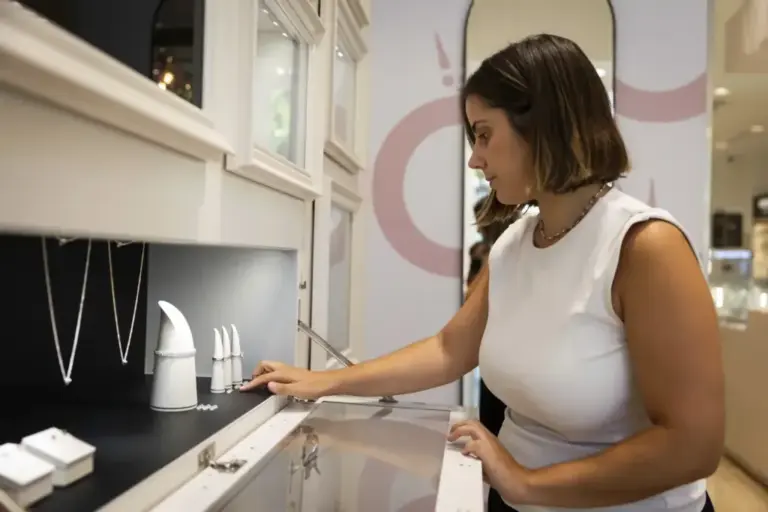
As the day progresses, several merchants explain, the way they organize work also changes. The Pandora jewelry store downtown currently operates normally, although its sales have also suffered due to the reduction in tourism. The establishment has security guards and door locking systems but has chosen to strengthen the afternoon shifts to avoid a single employee being alone in the store during the hours when immigrants flood the streets.
Their workers recall a recent episode: “A boy came in and started touching the glass of the display cases.” When they approached to ask him to leave the establishment, they say he responded: “I just want to see if the protective glass is hard or soft”. The episode did not go further, but it added a sense of alert that was already present among the employees.
The crisis has also reached bars and restaurants. Workers at a central establishment say they have suffered threats after refusing to serve certain groups. “We have orders not to do so because some leave without paying. When we refuse, they tell us they will wait for us outside when we finish the shift,” one of the employees recounts.
They also denounce the use of some establishments’ restrooms for washing or grooming in an improvised way and say they later find them in unsanitary conditions.
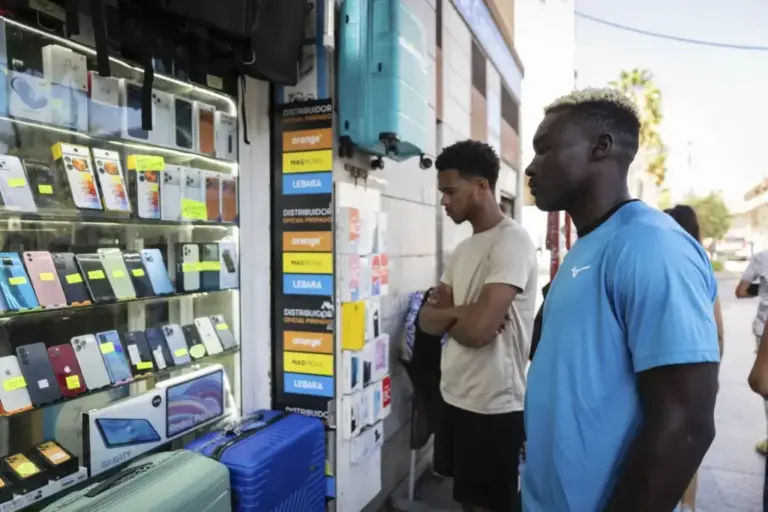
In a completely opposite scenario are the electronics and phone stores, where migrants wait to be served or look at the shop windows without rest. “Here they come to buy phones they have lost in the sea or to recharge cards,” explains the owner of one of these stores.
At the door, this newspaper asks a group of young people if they have just bought a product: “This phone, I’m going to talk to my family!” exclaims Ismael. He says he spent €250 on the device and adds: “It’s an iPhone, it’s always good.”
Ceuta tries to keep its stores open, fill its terraces, and recover tourist activity while continuing to manage the consequences of the massive entry. The perception of insecurity coexists with another harsh reality: that of businesses trying to adapt to an exceptional situation whose end they still do not know.
That is why the Confederation demands that extraordinary measures be adopted as soon as possible. Because, as Parrado warns, for much of Ceuta’s business fabric the reaction time has already run out, “and the solution comes late”.