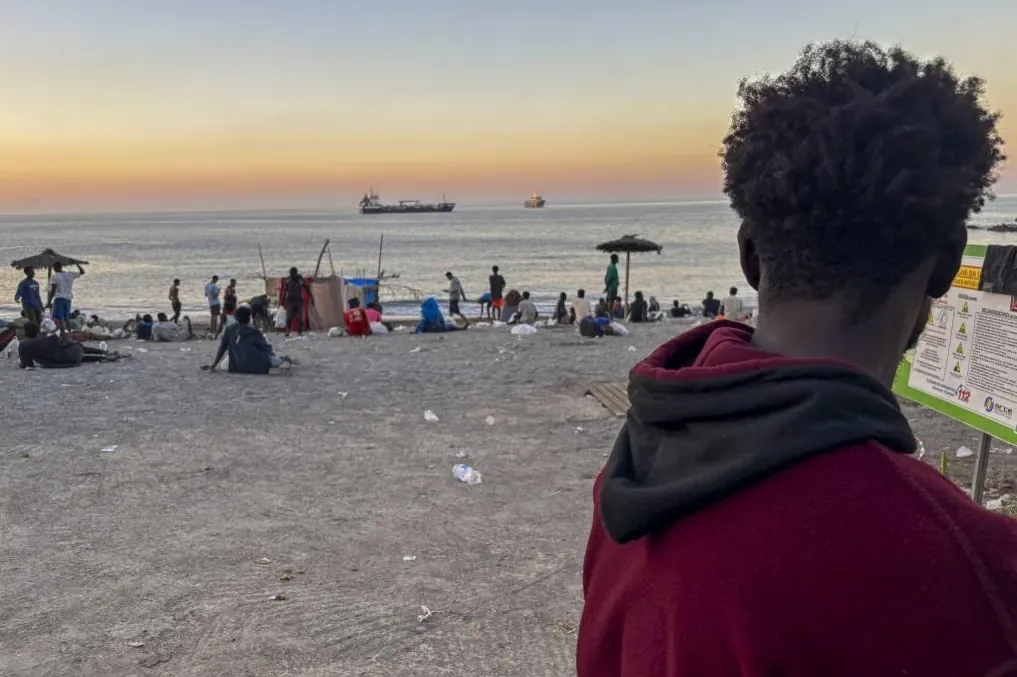




Improvised camps, immigrants living in poor conditions on the streets of Ceuta, and a city on the edge that does not forget an image that went around the world: that of the massive entry from Morocco of tens of thousands of people, most of whom swam across the Tarajal border breakwater at the end of July. The impact of the crisis has been such for the residents of Ceuta that one in three has directly considered leaving the autonomous city, still unable to glimpse a scenario of normality.
This is one of the main conclusions of the Sigma Dos survey for EL MUNDO conducted just one month after the outbreak of the crisis, between August 26 and 31. According to the survey, 33.4% of Ceuta residents admit to having planned to leave their own city in the days following July 30. However, the figure – which reflects the state of concern in which the Ceuta population is immersed – varies greatly depending on age groups. The reaction of young people and older people is completely different, just as ideology or religion condition the perception of the emergency.
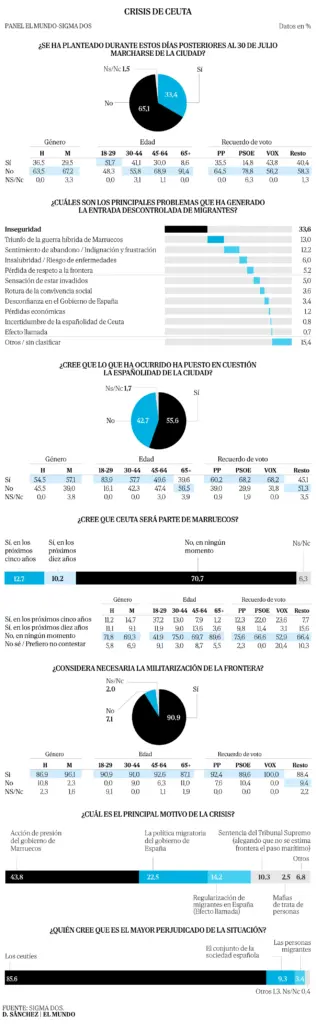
While barely 8.6% of those over 65 years old have thought about leaving Ceuta, the percentage soars in the case of the youngest. Those aged 18 to 29 years are the most likely to imagine themselves seeking a future away from Ceuta (51.7%), followed by those in the 30 to 44 years age group. Four out of ten (41.1%) also say they have thought about leaving everything behind.
When analyzing the phenomenon from a political perspective, those who voted for Vox in the last elections are the ones who most proportionally say they have wanted to leave Ceuta. Almost half of the voters of this party (43.8%) have considered it, a figure that falls to 14.8% among Socialist voters. On the other hand, doubt strikes Catholics and Muslims equally. Those who declare themselves non-practicing Catholics are the ones who have most also planned to leave the autonomous city (36.3%). Among Muslims, the percentage is similar (36%), but it drops slightly to 28.4% among practicing Catholics.
That one third of respondents directly point to insecurity as the main problem of Ceuta after the uncontrolled entry of immigrants explains the data. Again, the perception of insecurity soars among Vox voters: 64.2% indicate this. And it is again those over 65 years old who least point to insecurity as the main problem.
The second most mentioned problem is the triumph of the hybrid war by Morocco. This is the case for 13% of respondents, while 12.2% openly talk about the feeling of abandonment as a problem. Moreover, when respondents are asked about the feeling that best explains their current state, almost half (48.1%) respond with indignation. However, 70.9% of those who feel close to Vox declare themselves outraged by the situation created, compared to 37.5% of Socialists.
indignados
Along the same lines, only 21.9% of Muslims say they feel outraged. However, 31.2% respond that they feel insecure. The roles are reversed for practicing Catholics: more than half are outraged and only 17.3% feel insecure. And a striking fact: positive feelings – although minority among residents – emerge in any case among Muslims. 13.9% are confident and 12.6% hopeful.
Read more US attacks three Iranian ships after missile launch against a US aircraft carrier
But beyond the emotional issue, the survey reveals that the vast majority of Ceuta residents are in favor of militarizing the border. Specifically, 90.9% consider it necessary, a measure that the president of Vox, Santiago Abascal, introduced into the public debate. Paradoxically, support is even higher among women, as 96.1% of female respondents back militarization, nine points above the support it receives among men.
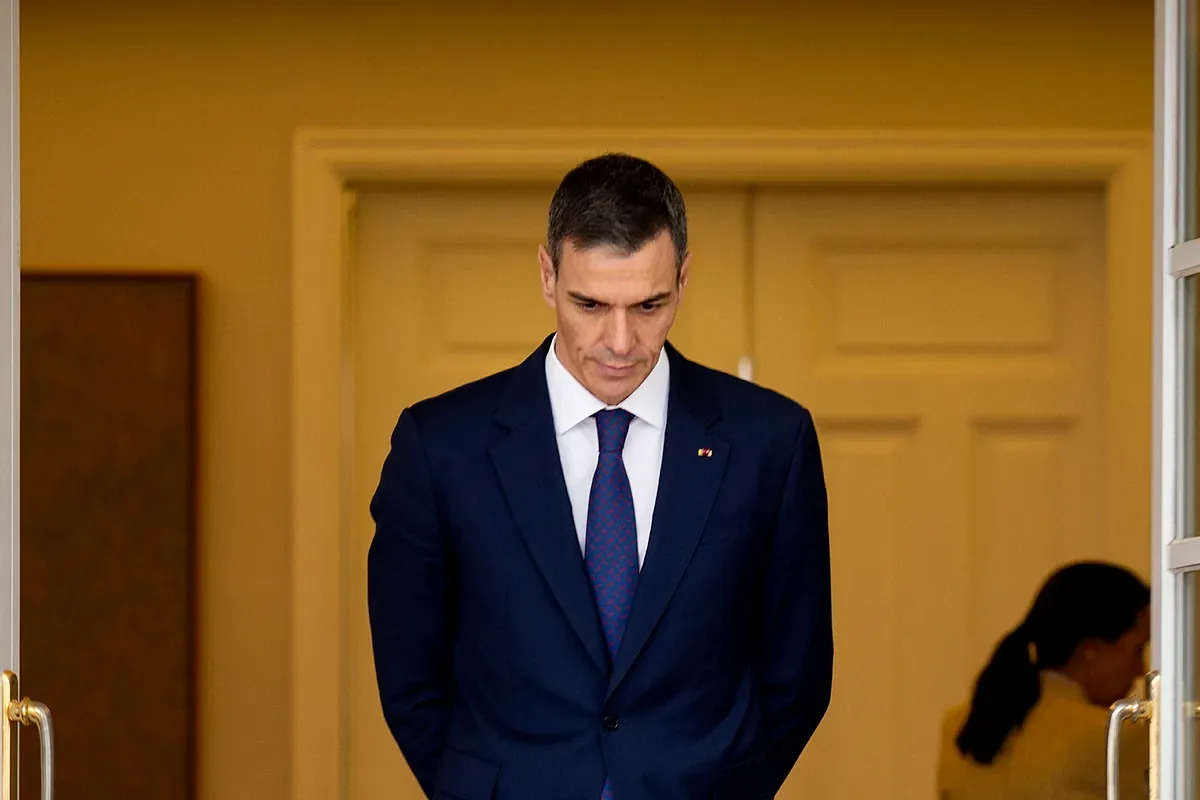
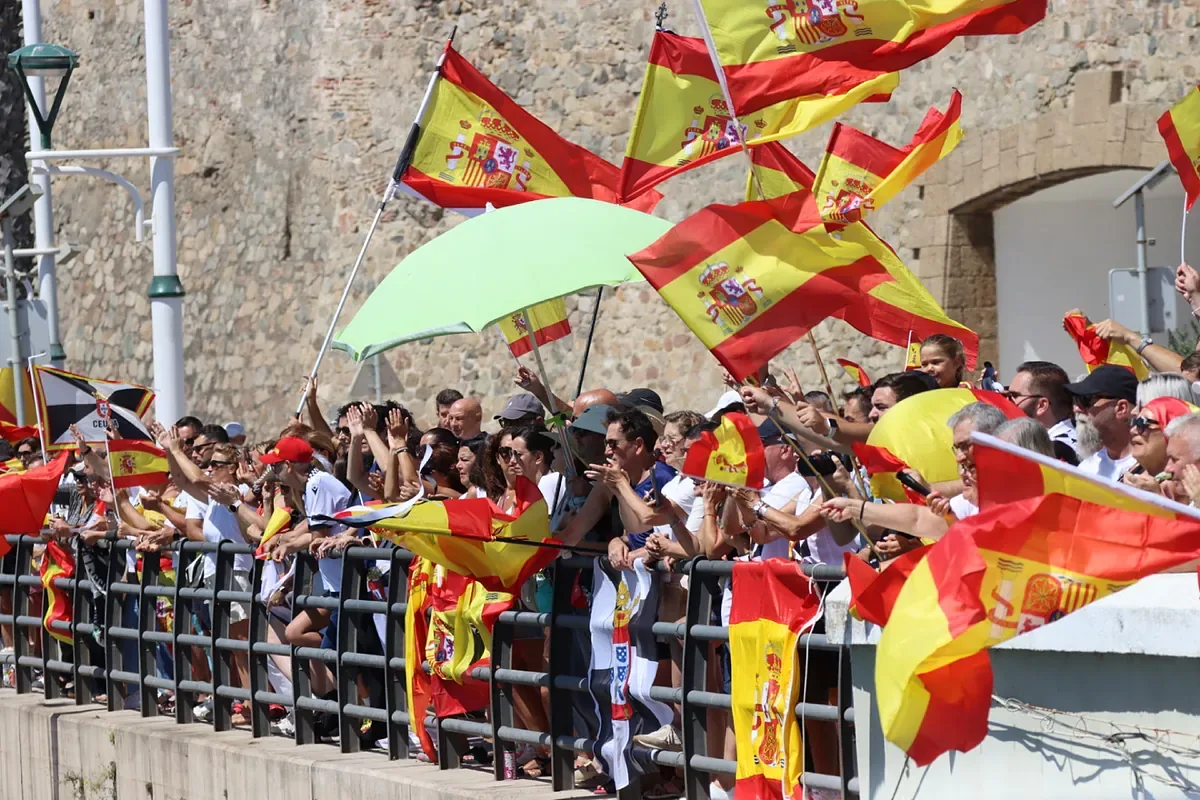
The interpretation of the data cannot be made without another key: 55.6% maintain that the crisis has called into question the Spanish identity of Ceuta, defended in the streets of all Spain by thousands of people this week. The percentage even rises to 83.9% among the youngest, which contrasts with the perception of the older age group. 56.5% of those over 65 believe that the Spanish identity of Ceuta is not up for debate. In his appearance in Congress, the Prime Minister, Pedro Sánchez, emphasized that both Ceuta and Melilla will be Spanish “until the end of time”. “In perpetuity,” he said. However, 22.9% of respondents fear that Ceuta will be Moroccan in the next five or ten years.
Technical sheet
Reference population and geographic scope: People aged 18 and over residing in Spain with the right to vote.
Information collection technique: Mixed methodology: telephone (CATI) and online (CAWI) through the Sigma Dos Panel by Trust Survey
Sample sizes: 590 interviews.
Selection of sample units: In the telephone interview by random household selection and application of sex and age quotas in the selection of the last unit. In the case of the panel, proportional assignment by sex and age group has been applied.
Margin of error: The absolute sampling error can be limited to ±4.1% for a confidence level of 95.5%, and assuming variables with two equally distributed categories.
Read more A Spaniard, kidnapped in Burkina Faso by an alleged terrorist group
Fieldwork date: August 26 to 31, 2026
Conducted by: SIGMA DOS SL Calle Velazquez 50, 2nd Floor (28.001-Madrid)
Technical direction: José Luis Rojo Gil / Ignacio Javier Clemente Sierro