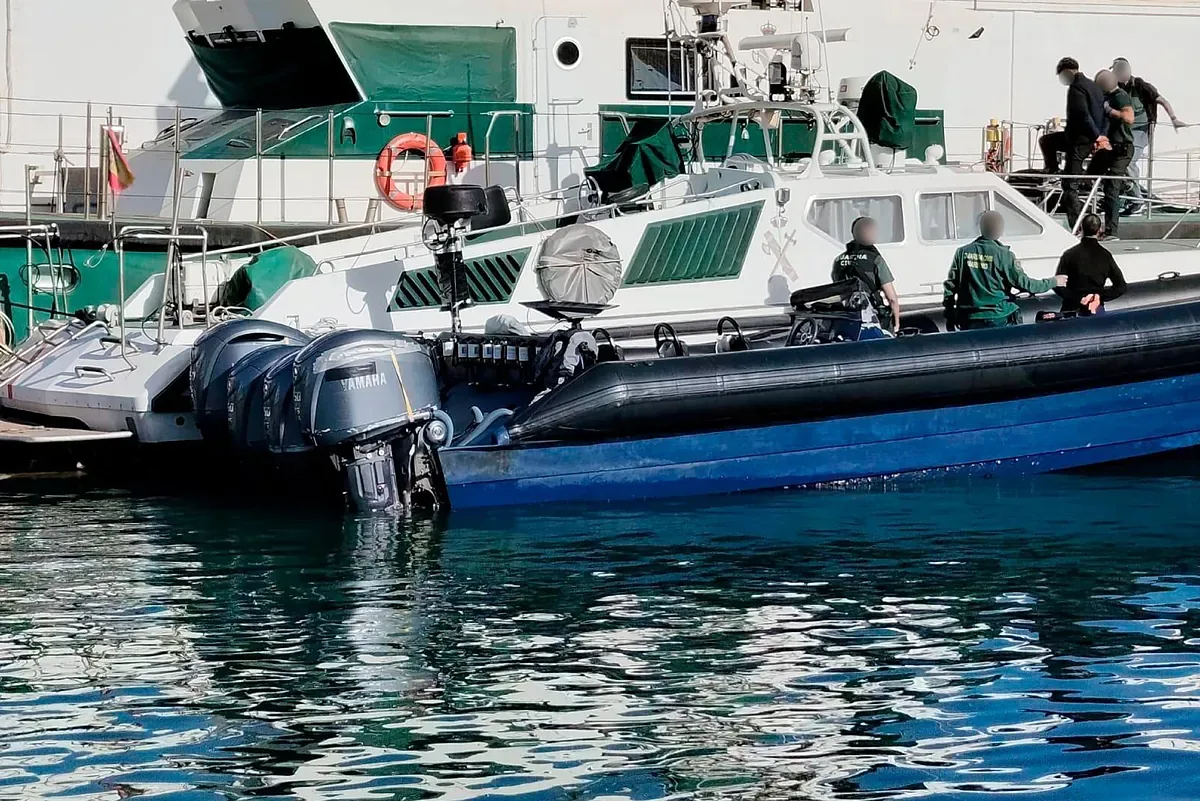






Psychology manuals say that grief is the natural reaction of our brain to any significant loss. The first model was described half a century ago by psychiatrist Elisabeth Kübler-Ross, an expert in terminally ill patients. Her five stages, known to any therapy enthusiast, are five: denial, anger, bargaining, depression, and finally, acceptance. And they are the same that apply, step by step, as a response to the lost normality experienced by the people of Ceuta just a month ago, with the sudden arrival of an avalanche of 72,000 immigrants at the Moroccan border.
Read more The Moor smells weakness and has sensed the Government’s decay
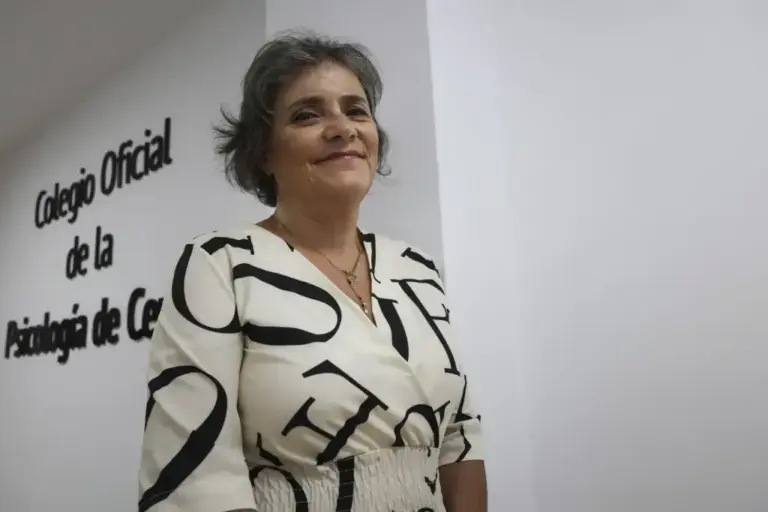
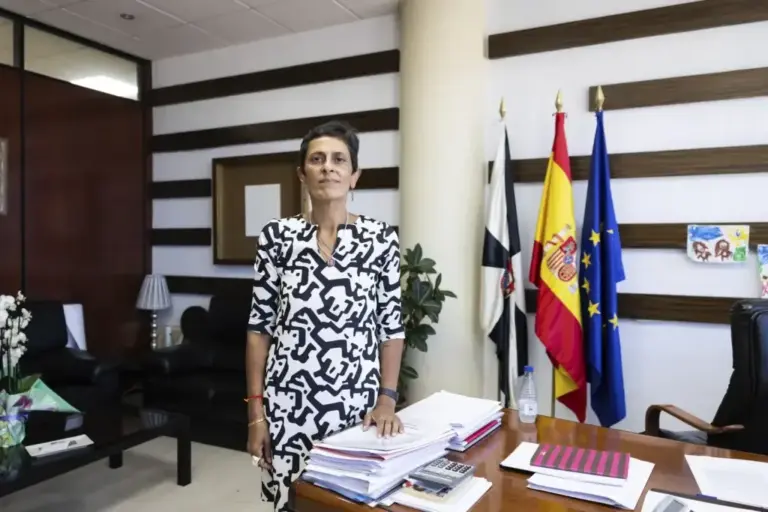
“Ceuta is, right now, a city in mourning,” diagnoses Lola Escalante, president of the Official College of Psychology of the locality. “We all live in permanent alert. Our cortisol levels are through the roof.”
– And how is the process going?
– Everyone goes through this grief in their own way. Some better than others, that’s true, because most of us are emotional illiterates. No one teaches us how to manage feelings. So imagine what happens in such an extreme situation as the one we are living through.
Just talking with the neighbors of Ceuta confirms that today, when about 5,000 immigrants – according to the Government – still remain in the city, the denial phase is already behind. Those first days of disbelief, with scenes typical of a low-budget apocalyptic movie, which led so many Ceutans to deny reality, have passed. The neighbors are now firmly settled in the second stage of grief, that of anger, although it is a rage with blurry outlines, whose target changes over time.
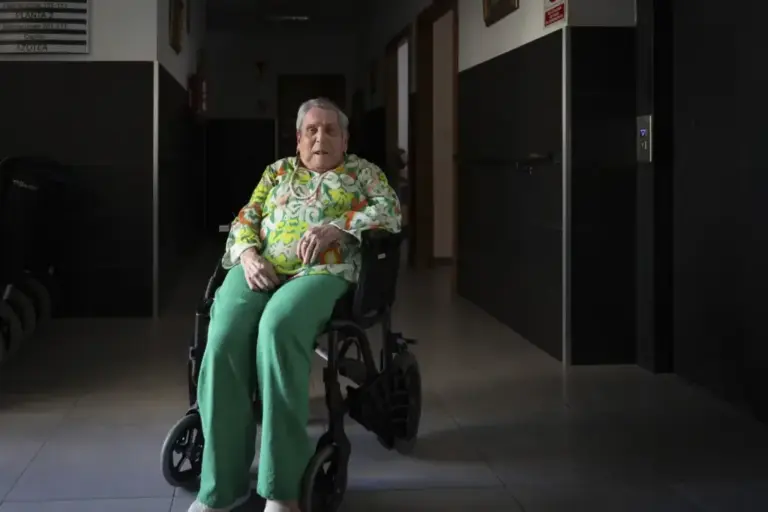
A clear focus of aversion is the Government, regardless of which party each person votes for. If one word is repeated in conversations with the caballas, as the Ceutans call themselves, it is “abandonment.” They perceive it from the rest of the Spaniards, but it sharpens when talking about the authorities who were caught flagrantly on vacation during the migration crisis. “I am as Spanish as anyone else, but they have us abandonaícos here,” laments Teresa Molina, 89 years old, who on Friday protested, wrapped in a red-and-yellow flag, at the doors of the nursing home where she lives.
The other pole of indignation is the immigrants themselves, victims of insults and threats as soon as they venture beyond their concentration points, such as the shanties piled up on Trampolín beach or the military tents installed in Loma Colmenar. This week, the most agitated Ceutans have expressed in the streets the syllogism they had been developing in their minds for days. If they want the immigrants to leave, they must make their daily routine unbearable. And, to achieve this, they seem willing to do almost anything: from boycotting food distribution to setting fire to their precarious shanties.
The image has gone around the world and, many neighbors admit, it harms the cause that almost everyone shares: the rapid departure of the newcomers from their city. A solution that clashes with the bureaucratic maze of migration legislation, designed to solve cases that arrive trickling in. Certainly, not to deal with thousands of immigrants seeking shelter and food while the authorities are incapable of something as seemingly simple as completing their identification.
“It hurts me deeply, because I have always been in favor of helping everyone,” admits Ana Villegas, owner of a small massage and alternative therapy business. “But they don’t give us any other choice. If we make life easier for them, with food and camps, they stay here forever. The feeling is: ‘If you don’t help us, the rulers, then we will do it ourselves.’”

Ana says that, in those first days of denial, she fought her “anxiety” by exercising one of her gifts: organizing people on the internet. If she was afraid to go out to the mountain, she imagined there would be many other women in the same situation, so she set up a WhatsApp group, Ceuta Camina, to take group walks. “In two days we were 200 and now we are around 300,” says the young woman, who coincides the end of the walks with the start of the evening demonstrations against “the invasion.”
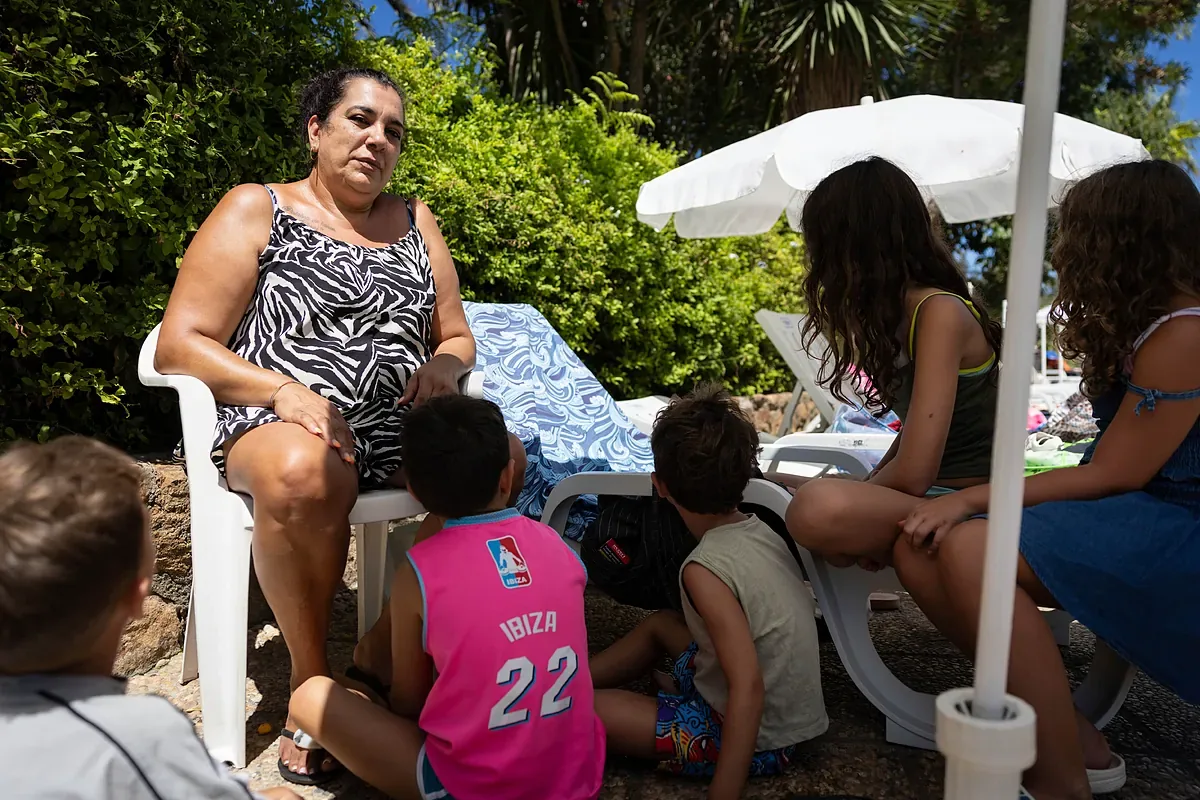
Because that issue, that of the kids, is perhaps the one that arouses the most anger these days among the Ceutans. Until now, during school holidays, they have managed the situation as best they could. But on Tuesday the 8th the school year starts and it is hard to find a neighbor who plans to send their kids to class, despite promises of private security in the centers, more agents on routes and recesses, plus a mental health plan for the entire educational community. “I tell you, mine are not going,” says Dolores Villanueva, who today indulged herself by taking her five great-nephews to a municipal pool.
Read more The military fears more immigrant ambushes in Ceuta and asks to be authority agents
– Why?
– I don’t trust it, I don’t trust it. We will take turns as best we can, but the kids in my family are not going to school under these circumstances.
The Ceutan authorities, co-responsible for the return to school, manage an impossible situation as best they can. It is their duty to ensure that the citizens’ anger, which accumulates like dry brushwood in the forests, does not ignite in a popular outburst like the one narrowly avoided this week. But they also cannot overdo it: they know they must pressure the Government and its crisis delegate, Minister Ángel Víctor Torres, from whom they demand more efficiency and speed in their actions.
“We want to return to the Ceuta of July 29,” repeats like a mantra Kissy Chandiramani, vice president of the city and finance councilor, referring to the day before the massive entry of immigrants. “Our grief is not because Morocco broke the border, painful as it was. Our grief is because the one who has the duty to protect us, the central Government, is not doing so.”
África Monsalve, an immigration lawyer, also faces a devilish dilemma. She suffers as a citizen the consequences of the “total violation of the border” a month ago. But at the same time, she has to “apply the law” to the cases piling up in her office in recent weeks. She looks for legal loopholes that allow her clients to stay in Spanish territory, even if it complicates neighborly coexistence.
This has happened with one of her new clients, who obtained expedited asylum due to being a victim of gender violence. The young woman suffers physical and mental sequelae after an assault in which she was literally beaten until her skull was opened. After providing images documenting the severity of the attack, the girl obtained her papers in an unusually short time.
Another who has seen his workload grow is Tami Abdezelam, gravedigger in the Muslim cemetery. If in a normal month he has to bury 15 or 20 Ceutans, this month he is close to a hundred, including the 87 deceased in the avalanche whose bodies Morocco refused. “Most were very young, poor devils deceived by their country,” he says with a saddened voice. “I am used to my work, but I also have a heart and it hurts me.”
And it is that pain that finally returns to the office of our psychologist, Lola Escalante, in every consultation. Throughout the month, she has set aside her patients’ problems to, first of all, accompany them in the loss that the change suffered by their city represents. She says many Ceutans had ancestors who had to leave Morocco, leaving houses behind in Tangier or Tetouan. It is a historical residue difficult to understand outside here, she admits, but it is one of the ingredients that feeds the hatred that, a month later, poisons the 20 square kilometers of an enclave shaken by grief.
– If Ceuta were your patient, what would you diagnose?
– Abandonment – she replies immediately -. I know we live in a complex situation, but we need someone in a position of authority to tell us the truth.
Read more Sánchez’s paralysis in Ceuta plunges Spain into a state crisis