



The Ministry of the Interior has reduced the investigative activity of the General Commissariat of Information (CGI) on Morocco, “reducing the intensity” of the team’s work. Reliable police sources warn that this department of the National Police – which is fundamental for the security of the State as it is the police intelligence – has drastically reduced its “informative activity.” At least three agents have already been sidelined due to their work or reports on the Alawite kingdom, according to the same sources.
The practical part of this “cutback” is causing a reduction in surveillance over members of Moroccan intelligence in Spain. The team is dedicated to investigating these individuals to then report on possible “interferences” by Morocco in Spain. Specifically, there was a report that precipitated one of the departures from this group. The subject of the dossier was a man linked to the regime of Mohamed VI, the sources specify.
Part of the team raised information related to him. That report, they point out, was not taken into account and there was a purge within the group. Police commanders observe “interferences” from the “Government” in this area of the General Commissariat of Information. They understand that “there is no interest” in investigating Morocco or anything related to that country.
Until the “dynamism” of the activity on Morocco in this sector of the General Commissariat of Information was restricted, there were numerous agents stationed monitoring vital areas for Spain and “with very fluid investigations.”
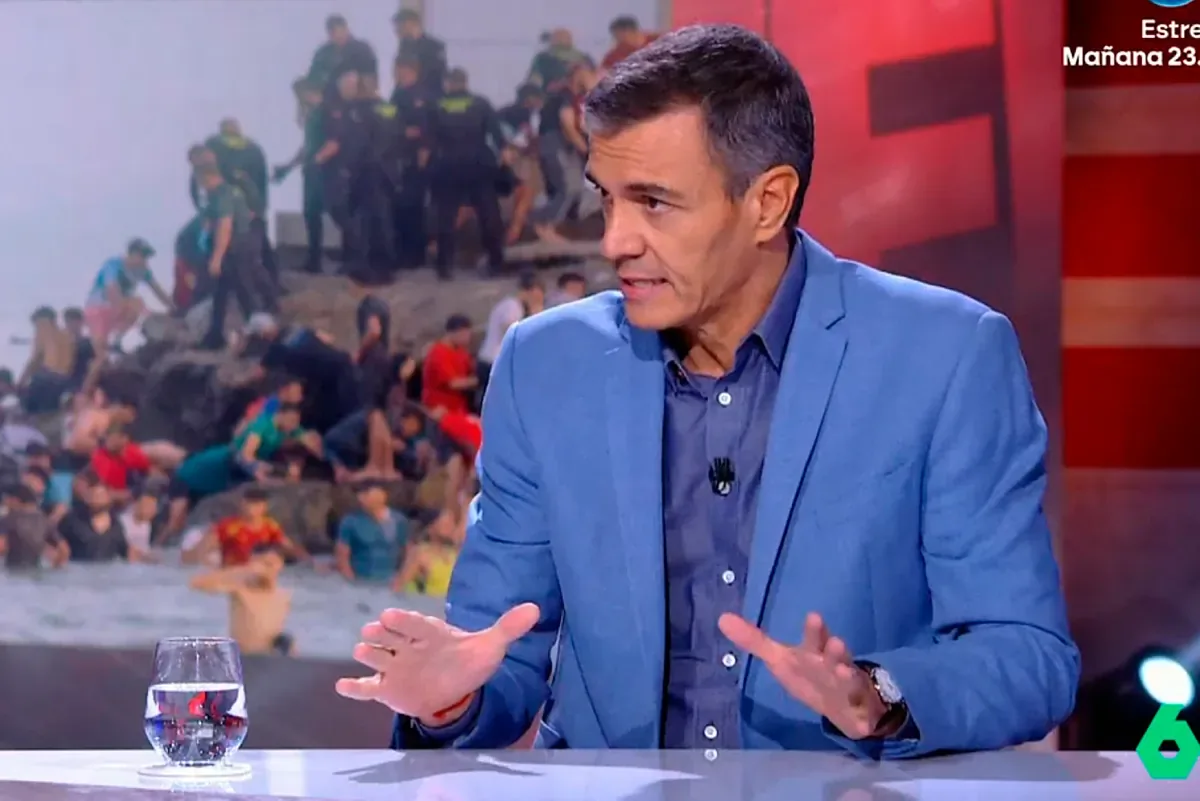
It so happens that when the Police sent the report to magistrate María Tardón attributing to the Moroccan Security Forces the “planning or execution” of the human avalanche that entered Ceuta between July 30 and 31, the Interior Ministry disseminated the reaction of several commissioners on the matter after insisting that it was unaware that this investigation was underway.
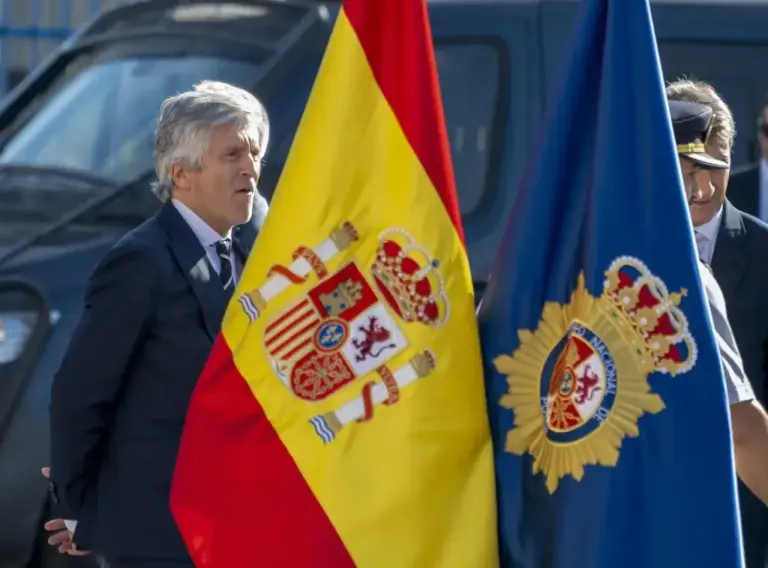
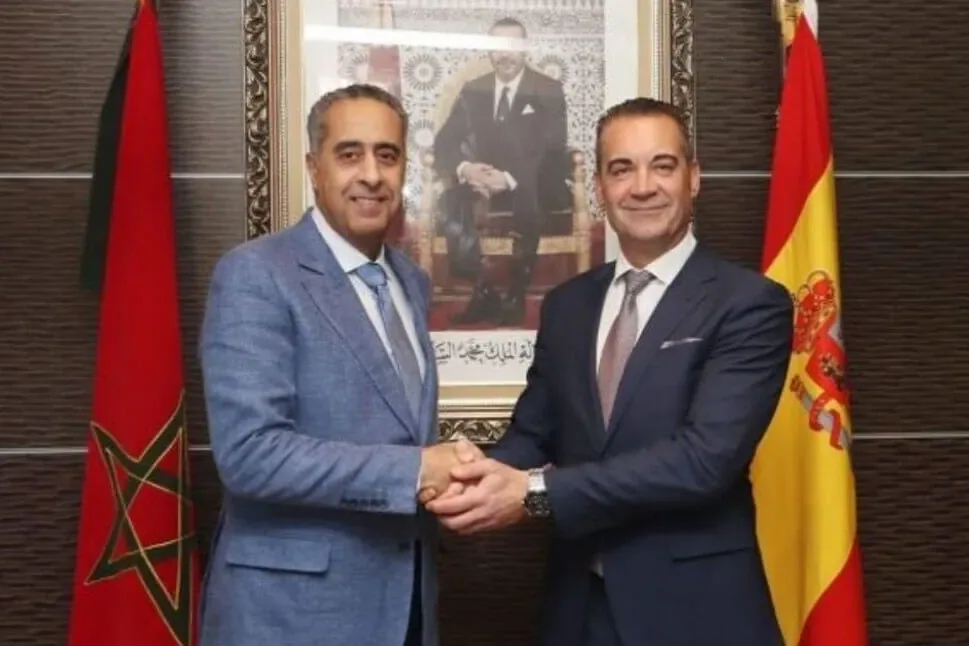
Among them was the general commissioner of Information, Javier Susín, who, always according to the version of the Ministry of the Interior, sent the deputy operational director (DAO), chief commissioner José Luis Santafé, a response contrary to the content handled by the instructor Tardón. The head of Intelligence informed the DAO that “no report has been issued attributing the authorship of the assault to any government, service, or person, since, to date, the intellectual authorship of said assault is unknown.” Susín, precisely, met with commissioner Abdellatif Hammouchi, director of internal Intelligence and head of the Moroccan police, in January 2025, during a meeting in Rabat to strengthen their cooperation in the fight against terrorism.
In the forceful report sent to Judge Tardón, the Police state that the massive entry was directed and guided by Moroccan gendarmes in uniform and plainclothes and that the access to the city did not have a migratory objective, but rather to collapse the border and Ceuta itself. This dossier caused a storm in the Ministry of the Interior. Fernando Grande-Marlaska claimed to be unaware of the creation of this document and much less that it was overseen by the National Court. The Minister of the Interior summoned the Director General of the Police, Francisco Pardo, a trusted official.
A few hours after learning of the existence of this document, already in the early hours of the 2nd, Grande-Marlaska sent a letter to the Director General of the Police asking him to inform him “as soon as possible of the content of the report.” He demanded this information because it was “essential” to know it in order to “make the appropriate decisions regarding the migratory crisis in Ceuta.”
Pardo then informed him that the magistrate instructing the process ordered the investigators not to provide their superiors with any information about the preparation and content of the report, so he, as Director General of the Police, had no prior knowledge. Later, and after contacting some police chiefs, according to Interior, he addressed Grande-Marlaska and maintained that no police report “attributes to the Moroccan Security Forces the planning or execution of what happened on July 30 and 31 in Ceuta.”
The original report, prepared by the National Immigration and Borders Center, documented in detail the role of Moroccan gendarmes in the massive irregular entry into Ceuta of thousands of immigrants.
A month and a half after this avalanche, the autonomous city is far from normality. Ceuta remains trapped in a state of exceptionality that is pushing the Security Forces to the limit and leaving increasingly frequent episodes of violence. The groups of the Police Intervention Unit, the riot police, and the Prevention and Reaction Unit, created in 2002 to strengthen security on the streets and act quickly in urban incidents, have suffered attacks while doing their job.
Read more The right does not get complacent: Sánchez is struggling but not defeated