


A few days before an avalanche of tens of thousands of desperate people entered Ceuta causing the greatest crisis in the recent history of the autonomous city – and “a violation of the territorial integrity of Spain,” as defined by the President of the Government, Pedro Sánchez – rumors had circulated that Mohamed VI of Morocco had been seen sailing on one of his luxurious yachts in waters very close to the Ceuta coast.
Read more US Intelligence concludes that Putin could test NATO’s resolve with a limited incursion
It is usually not easy to verify such rumors that spread by word of mouth, given the astonishing army of security members that always surround the Alaouite monarch, especially when he is in his country, and who also ensure maximum protection of his privacy.
King Mohamed VI of Morocco is boosted by Donald Trump’s patronage
- Editorial: EDUARDO ÁLVAREZ
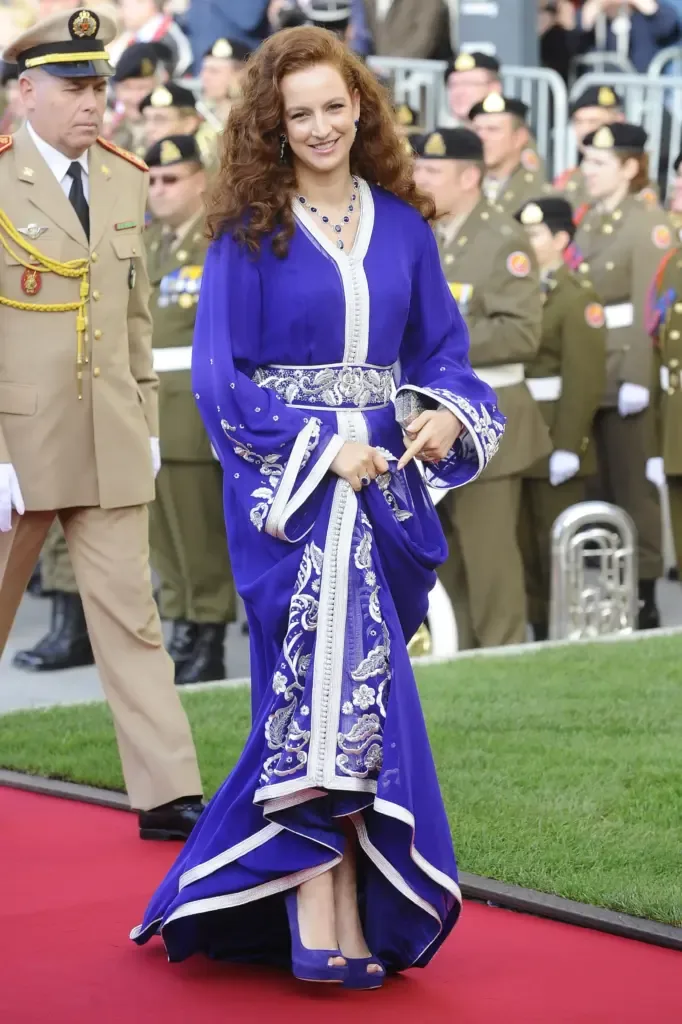
Lalla Salma, the ‘dolce far niente’ of Morocco’s phantom princess
- Editorial: EDUARDO ÁLVAREZ
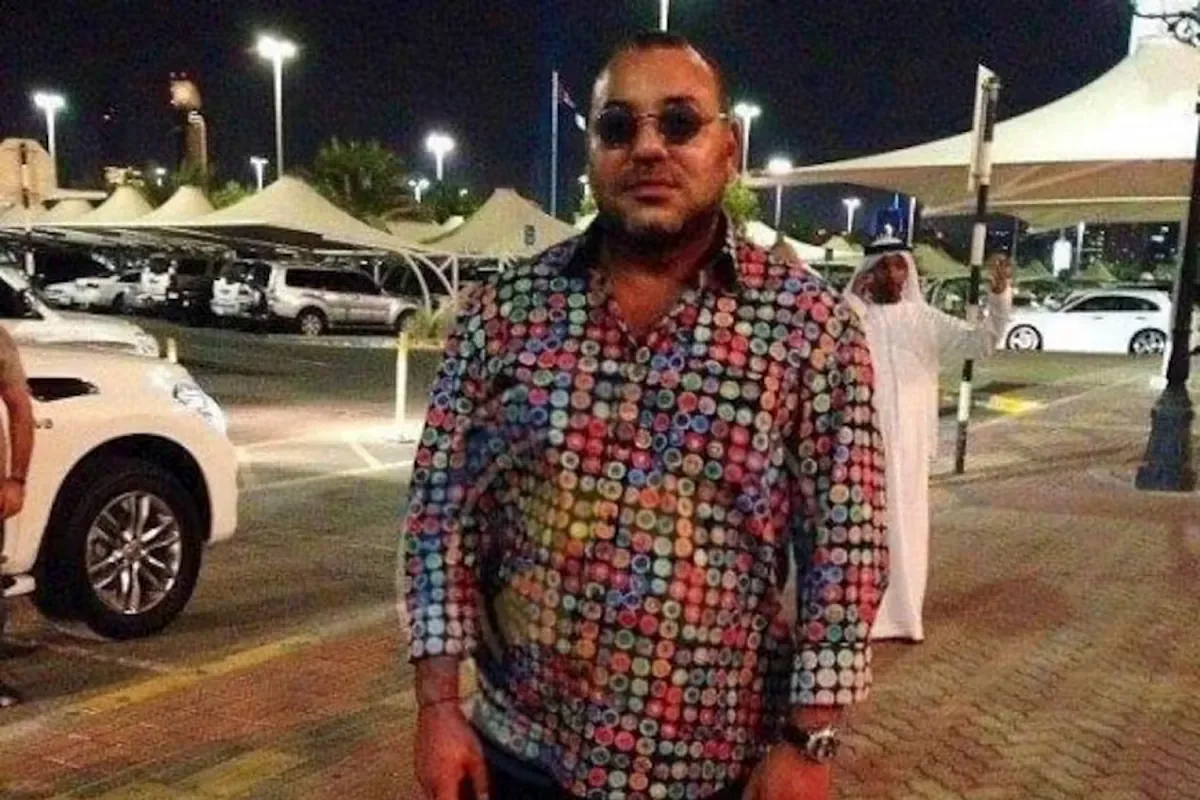
But the news did not seem strange, considering that in recent years the king usually spends the first part of his holidays in one of his favorite retreats, in the town of M’diq -Rincón-, just 13 kilometers from Tetouan and about 28 from Ceuta. Some of his days enjoying water sports or sailing in the open sea in that area have occasionally been shared as blurry images, like last year, when he spent a few days there with his two children, Crown Prince Moulay Hassan (23) and Princess Lalla Khadija (19)
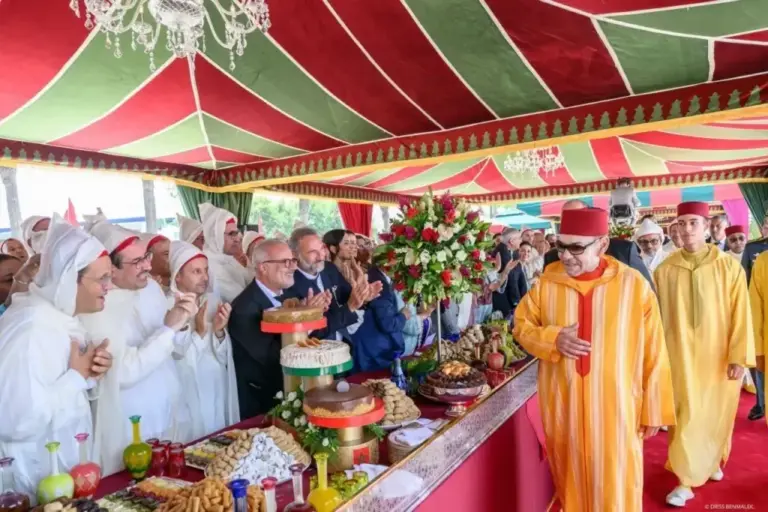
The rumor gained full credibility when July 30 arrived, Morocco’s most important national holiday celebrating the Throne Day. Because, indeed, Mohamed VI presided over the main celebrations in Rincón that day. There the tribute to the flag took place and almost all national authorities, representatives of the diplomatic corps and religious confessions, and foreign guests paid homage to the Alaouite sovereign at a reception highlighted by the presence of FIFA President Gianni Infantino, in the midst of the race for the 2030 World Cup organized by Spain, Portugal, and Morocco, which was seen as another gesture by the controversial football boss to please the Moroccan court with a view to facilitating hosting the championship final.
The very next day, Mohamed VI only had to travel a few kilometers to Tetouan to continue the festivities for the 27th anniversary of his ascension to the Throne. The world watched in astonishment the indifference of the Alaouite monarchy to what was happening so close by, in Ceuta, where at those same hours dozens of deaths were already being counted as people tried to swim into the Spanish city, many of Moroccan nationality.
Nothing prevented the Moroccan sovereign from changing his plans nor did so much tragedy, pain, and global shock stop him from enjoying the celebrations that annually exalt the Crown he holds.
What happened portrays very well both the nature of the Moroccan regime and the personality of Mohamed VI, considered the absent king – a nickname earned by spending much of the year outside his country, especially in destinations where he owns luxurious properties, such as Paris, the United Arab Emirates, or Zanzibar – of an extremely “capricious and luxury-loving” character, as experts who know him well emphasize. We are talking about one of the richest kings in the world, and the fifth richest in Africa, with an estimated fortune of about 5.7 billion dollars, according to Forbes and other sources.
The splendor of the Moroccan Court is proverbial. The king and Commander of the Faithful has at his disposal at all times up to 12 palaces equipped and fully operational throughout the country, which are maintained in perfect condition by around 1,200 servants. It is told as a very revealing anecdote about the dynasty that in the times of Mohamed VI’s father, Hassan II, there was an order that each day food was cooked in each of the 12 palaces as if the sovereign and his entourage were going to show up to eat, in case the then monarch decided to do so.
Although apparently such extravagance does not occur in the current reign, the economic waste involved in just the detailed maintenance of so many royal residences across Morocco is so great that citizens’ criticism is enormous, although the media silence it thanks to the omertà that rules.
But Mohamed VI has quite a few other small palaces that are not part of the Crown’s assets but are his property, in towns like Salé, Anfa, Tamaris, and Al Hoceima. And his fortress in the mentioned Rincón, of course, considered one of his favorites, presumably because it is a stone’s throw from Ceuta, which the Alaouite monarch considers, along with Melilla, “occupied cities” that must be reconquered sooner rather than later.
The village of Rincón, very modest compared to the gigantic Royal Palace of Tetouan, with typically Mediterranean architecture and white walls, is located in a semi-hidden spot, far from any prying eyes. It also has a private dock that facilitates all leisure activities for Mohamed VI. As a prince, during his youth he spent a lot of time in this place, which belonged to a great-aunt of his, Princess Lala Fatima Zohra, eldest daughter of Mohamed V.
It is still remembered when, in 2014, the king’s yacht was boarded off the Ceuta coast by Guardia Civil agents who requested identifications, an episode that almost caused a diplomatic crisis between Spain and Morocco, and in which Felipe VI had to intervene to prevent things from escalating.
Read more Evacuated the town of Catí due to the Tírig (Castellón) fire