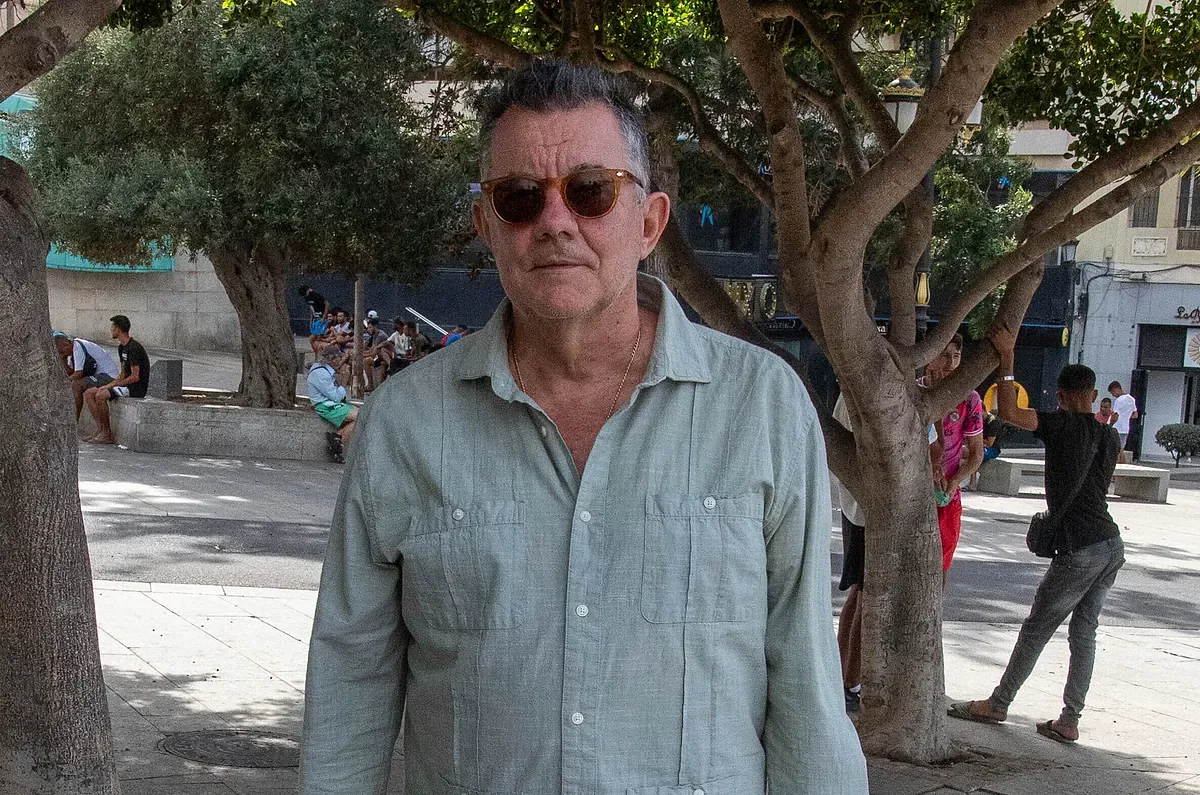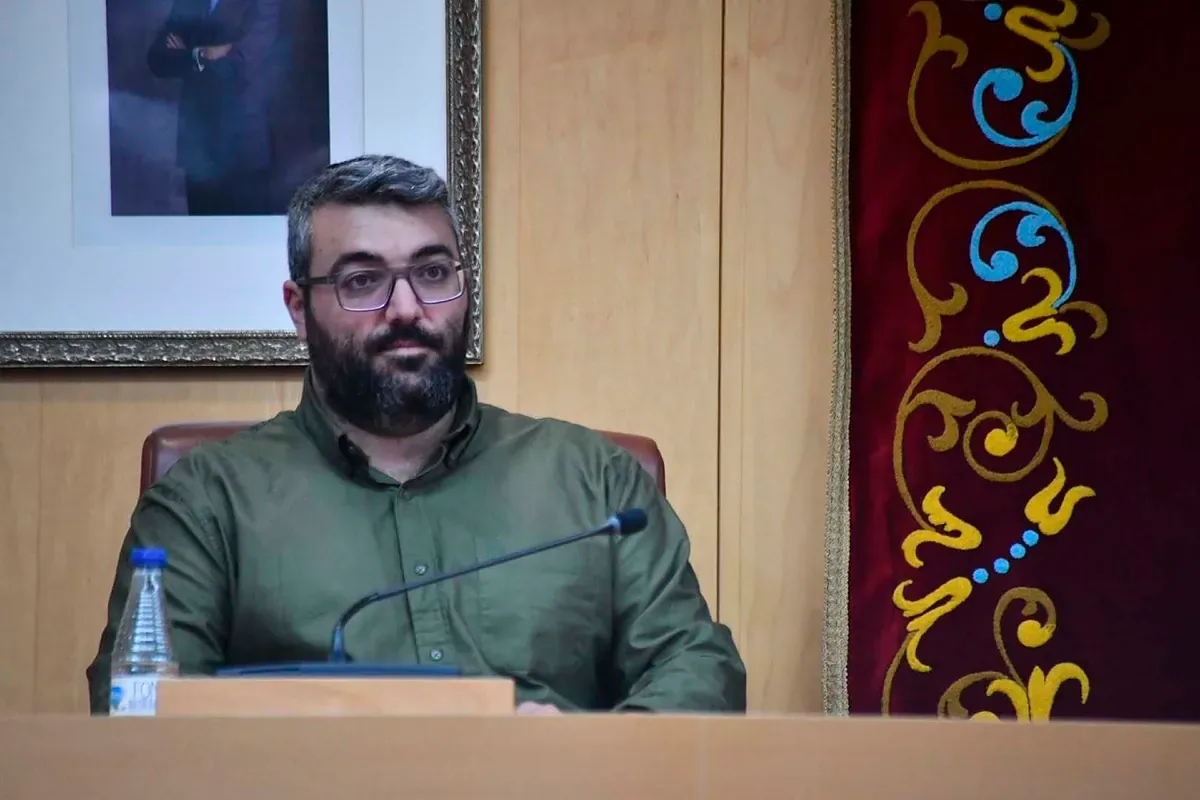







The midpoint of the legislature presided over by Salvador Illa coincides with a surge of Aliança Catalana in the polls that seems unstoppable and is opening a new political stage in post-procés Catalonia. The Catalan tectonic plates are shaking, and the director of the Institut de Ciències Polítiques i Socials (ICPS) of the Universitat Autònoma de Barcelona, Oriol Bartomeus, provides in this interview some important keys to what is happening and what is to come.
Read more Unpaid mortgage with house for sale: NPLs reach individuals, the latest and risky way to buy a home
- What is the political and social snapshot of Catalonia today?
- It is a hangover snapshot after the “party” of the procés ended and still drags consequences from those years. It is that moment of the hangover when you don’t quite know what will come next. There is no future or the future looks very distant, barely beginning to take shape. We have returned to that old normality of the Pujol era when what happened in the Parliament seemed residual and secondary. Electorally, at this moment we are guided by projections that must be taken with caution because there is no electoral climate in Catalonia, elections will be in 2028, and much remains and more can happen.
- Many people outside Catalonia wonder how it is possible that in less than ten years that mass demanding independence has disappeared. What has happened to the independence movement?
- How is it possible that in two years, from 2010 to 2012, Catalan society went from being a conservative, calm society, the Catalan oasis, to embarking on an anti-system adventure like the procés? The underlying element is that technologies have changed our political and life rhythm. Things happen suddenly and just as they rise very quickly, they fall just as fast shortly after. Another example. In 2018 I would have sworn that Spain was heading for a party system change with Podemos replacing PSOE and Cs replacing PP. Three years later Podemos had been reduced to what it is now and Cs disappeared. That is, the acceleration of social rhythm, with the constant bombardment of events, has accelerated political rhythm and media attention. The procés is only alive in political Madrid, it has not ended there and they do not understand that the majority of Catalan society has left it behind, partly out of fatigue or disillusionment. That does not mean Catalonia has returned to the previous situation, because the procés broke many things and has left residues that are being activated with other options.
- Are you referring to Aliança Catalana? How would you define Silvia Orriols’ party?
- It is a complex phenomenon because it has two natures. The first is similar to the new European far right, like Alternative for Germany, with its identitarian and racist discourse, attracting an audience that did not participate in the democratic game. It would be, therefore, the Catalan version of the international reactionary wave. And at the same time it has a second nature nourished by the disillusionment of the procés and a more veteran voter who politicized and radicalized in an anti-system key in 2012 with Artur Mas. People who, when the procés ends, are left hanging until Aliança appears and tells them: now it’s not about independence, but the Moors. It gives them, in this sense, a reason to remain mobilized.
- It also connects with an old racist discourse publicly held in the eighties and nineties by Marta Ferrusola or Heribert Barrera.
- Yes. Because one of the things the procés breaks are some basic consensuses of Catalan society. The idea of an open and plural identity and the way to save Catalan and Catalan identity is by integrating people who have come from outside into this identity. That framework of creating modern Catalonia is broken with the procés, there is also a global paradigm shift from open identities to closed ones, and with Aliança a discourse that was very minoritarian in its day is recovered, saying that if we want to save Catalonia it is by expelling all those who have come from outside. Orriols now focuses it on Muslims, but she has opened the window so that, in time, it may happen with people coming from the rest of Spain, Latin America, or Europe. The normalization of discourses that thirty years ago were very marginal.
- Do you think Aliança can replace Junts?
- Aliança has the anger of the times in its favor. It is a party that deploys an identitarian proposal that is gaining support in the West, but I would not take for granted that it will replace Junts. There is a clear segregation of territories. Aliança grows in nationalist Catalonia, in yellow Catalonia, and will struggle in the metropolitan area where Vox will remain strong. The first example we will have is the municipal elections in May. And I think Junts will hold up much better than supposed because it still has a very important presence and structure in the territory.
- Do Vox and Aliança share part of their electorate?
- Without a doubt. In the polls we already detect that there is a new dual vote that says that in Catalan elections they will vote for Aliança and in general elections for Vox. A vote that moves by the logic against immigration and now has two options. We will see in the municipal elections if Aliança expands its playing field, but the real true strength of Orriols we will know in the regional elections. And a very important element in Catalonia will be the general elections, which will make things change here and will have a lot of influence. It is not the same if Sánchez continues or if PP and Vox govern. A right-wing government will provoke political and social changes in Catalonia, favoring the left-wing independence of ERC.
- And how do you see President Illa? Polls still indicate he would lose up to eleven seats.
- It is true that he has not managed to consolidate his project. Among other reasons, because in this new world we live in, being in government is a problem, whereas before governing gave you an advantage over opposition parties. Now it does not, it penalizes; whoever has the government suffers. Another element is that Illa arrives at the Generalitat with the offer to normalize and calm Catalonia after the procés. He has achieved that, but the problem is that he has not explained what his future project is, beyond his radical support for immigration. A radical opposition to Aliança and Vox. Also, Illa, in his attempt to make Catalonia “a normal country,” needs things to work, and now public services, transport, education, health, etc., work poorly as a consequence of the lack of public investment during the procés.
- What effect could Puigdemont’s return have in Catalonia?
- There will be a few days of effervescence, with a lot of Puigdemont presence, and then he will fade into oblivion. There are sectors of Junts who mistakenly believe that his return will bring Catalonia back to the procés scenario and that this will favor them against Aliança. But I don’t think that will happen because Puigdemont is already a figure of the past for Catalan society. Just as Junqueras is. In fact, Puigdemont’s return will be the symbolic end of the procés. Its closure. It will also not mean his return, as PSOE believes, that Junts will support Sánchez again. In fact, depending on when he returns, and that is decided and played with the timing by the Supreme Court, it could harm the socialists electorally due to the discomfort it causes in part of the Spanish electorate.