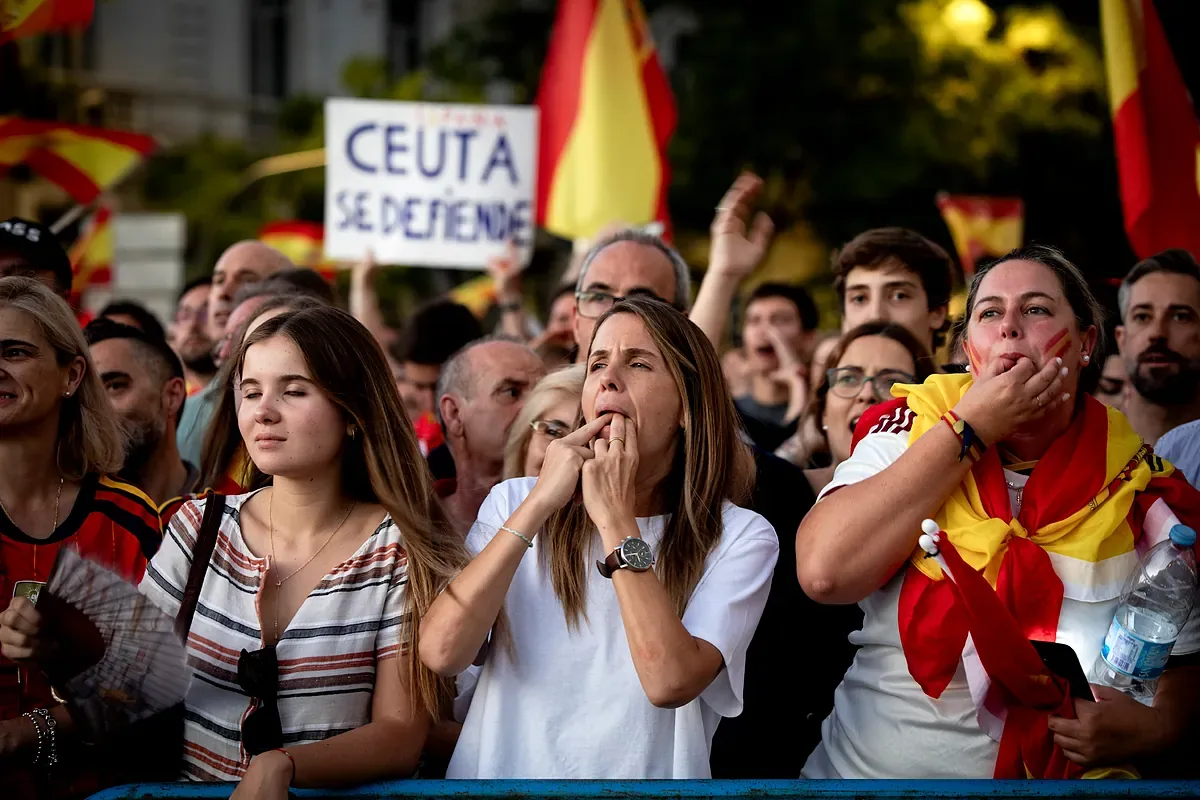








The very serious migration crisis unleashed in Ceuta has opened a political fracture of enormous depth within the European Union. The international shockwave of the images of the massive assault on the Spanish border has not only revealed the vulnerability of the community’s southern border, but has also triggered an unprecedented diplomatic reaction against the management of Pedro Sánchez’s Government. The letter sent to the European Council and the Commission by 22 member states, led by Italy and Denmark, constitutes a severe amendment to Spanish migration policy.
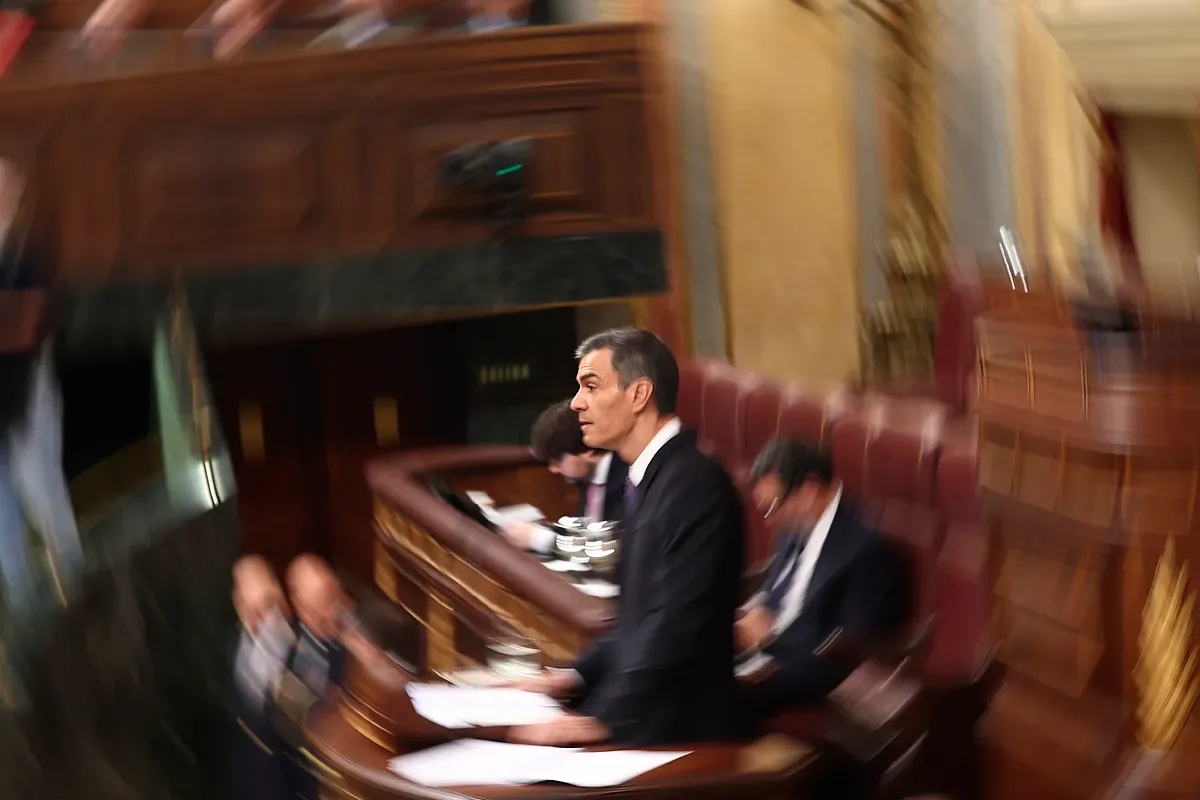
The initiative of Giorgia Meloni and 21 other European leaders gains even greater relevance as it comes after the letter sent to the Commission president by Sánchez, in which the president accuses some European partners with unusual harshness of “selfishness” and even acting “illegally.” The one who intended to establish himself as a moral reference is now questioned by a broad majority of governments demanding the opposite: more border control to contain irregular flows.
The origin of this isolation cannot be separated from the naivety with which the president has pushed a massive regularization carried out in an improvised and opaque manner. The volume of applications, already close to 1.2 million compared to the announced half a million, reflects the magnitude of an initiative developed outside European consensus. Now the bloc of countries led by Italy and Denmark, besides reproaching Sánchez for his opportunism, emphasizes the need to assume migration management as a core element of community security.
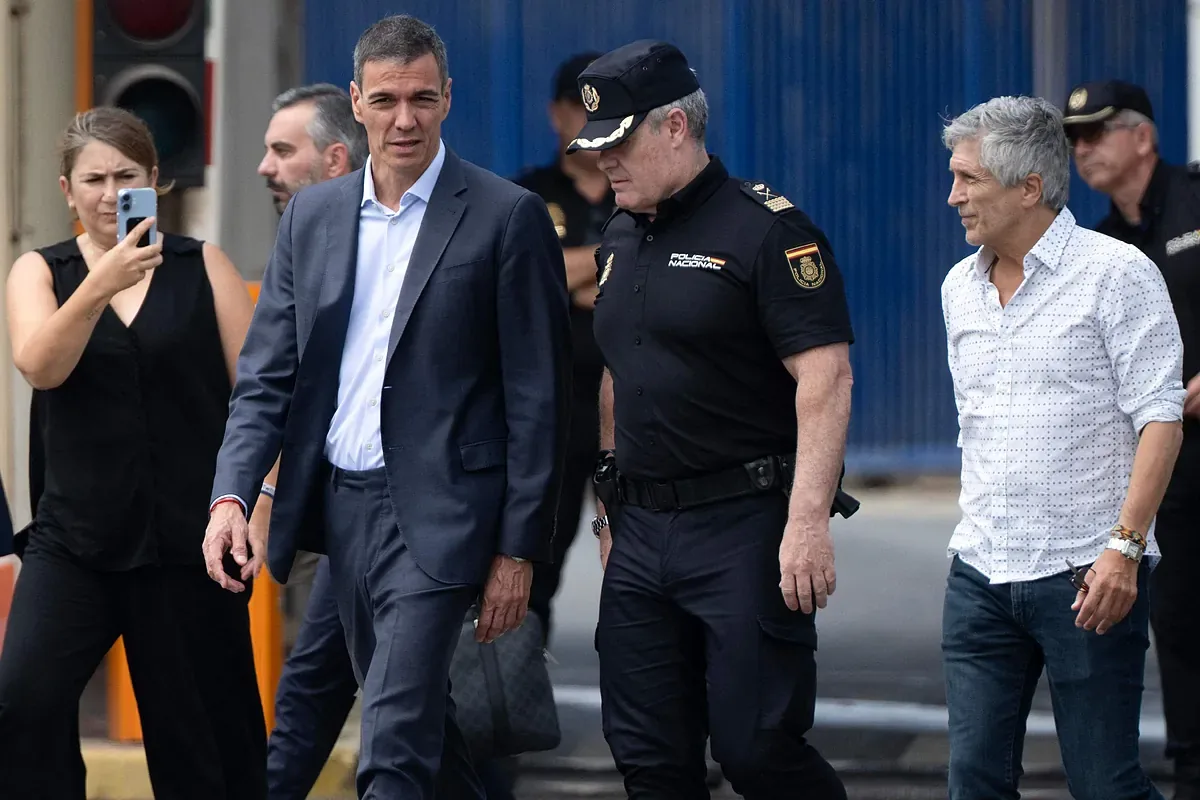
Apart from the EU’s position, there is an unavoidable responsibility of the Government. It is essential to clarify why the intelligence systems that should have anticipated a crisis of such magnitude failed. The first investigations point to a decisive role of Rabat, which places the events in a geopolitical dimension that transcends both the actions of the mafias and the consequences of recent jurisprudence on returns in Ceuta and Melilla. The Executive, especially the Interior and Defense ministers, must provide detailed explanations regarding an episode that has compromised the security of the people of Ceuta. The Government will also have to clarify why it has started installing containment barriers in Ceuta two years after the ruling on the pull effect. This delay is as incomprehensible as Moncloa’s insistence on praising the “loyal cooperation of Morocco” despite its undisguised instrumentalization of the migratory flow and despite the Government’s concession regarding the Sahara, a change of position executed without consensus and outside Congress.
Turning immigration, one of Europe’s great strategic challenges, into a tool of polarization only leads to the weakening of the Spanish position just when European unity is most needed.