




If the external vote does not prevent it, the Swedish left will return to power thanks to the setback of the far right, although with the challenge of agreeing with very different partners after a very tight electoral victory: 176 seats for the bloc led by the Social Democrats and 173 for the forces that have so far supported the Conservative government. The European left sees an unusual progressive outbreak – even if it is in its Nordic, moderate version and firm on immigration – on the Scandinavian rooftop of the old continent. But this change of government will not turn the country’s helm too much, which is more divided than ever today. Almost as much as the political class.
Read more Storm in the debt markets: US bond soars and Spain’s exceeds 4% for the first time since 2013
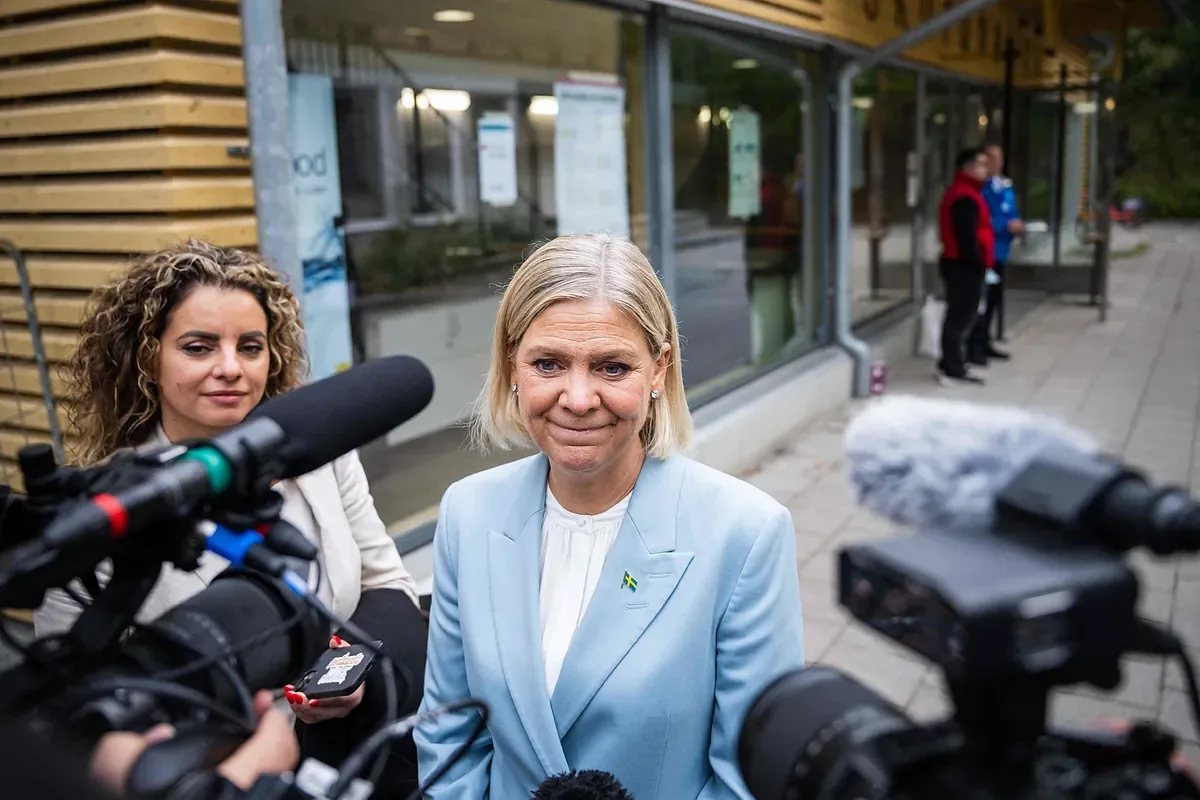
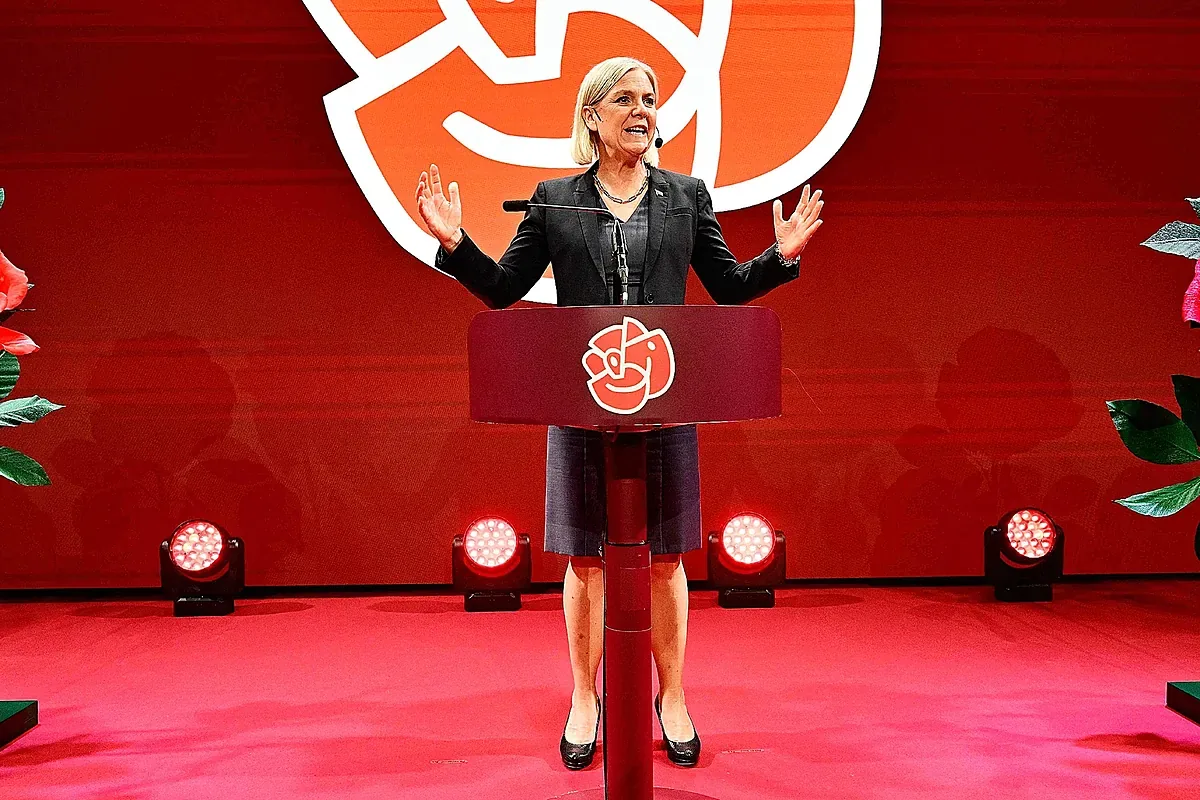
The first paradox of the Swedish elections is that Magdalena Andersson can regain power after losing many votes. With 95% counted, her Social Democratic Party falls from 30.3% to 28.1%, losing 2.3 points and seven seats and remaining at 100 deputies: it is their worst percentage since 1908. And yet, the four opposition parties lead by three seats the governing bloc of the still prime minister, Ulf Kristersson. Both leaders have expressed their desire to explore possible coalition options to take power.
Andersson’s bloc grows because her partners grow, who have capitalized on the dissatisfaction of some voters with the Social Democrats’ adoption of conservative recipes in areas such as, for example, immigration: there the former communists of the Left Party have harvested votes, rising to 8.3% and having 29 seats. The Greens reach 6.1% and 22 deputies. And the Centre Party obtains 7.1%. Andersson is closer to the prime minister’s office, but her party will have less capacity to decide what to do from it.
Swedish writer Karolina Ramqvist sums it up to EL MUNDO: “In some way, the Swedish left has failed to talk about the economy.Sweden has become a paradise for billionaires, with very low income taxes for the richest.” The vote for the Left also seems to be an amendment to that abandonment.
A DIFFICULT COALITION
All the winner’s partners agree on ousting Kristersson, but not on the program to replace him. Turning those 176 seats into government will be another feat. Another party allied with Andersson, the Centre, is not left-wing: it is economically liberal, rejects the tax on billionaires, and approached Andersson only to block the far right. At the other extreme, the Left demands to enter the government, raise taxes, and limit corporate profits in public services. The Centre refuses to share a cabinet with the ex-communists. The Greens add climate demands and reservations about new nuclear reactors.
The Swedish system offers a way out: Andersson does not need to put them all in a cabinet nor gather 175 affirmative votes. In the negative parliamentarism of the Riksdag, a candidate is approved as long as there are not 175 deputies against.
DIE OF SUCCESS
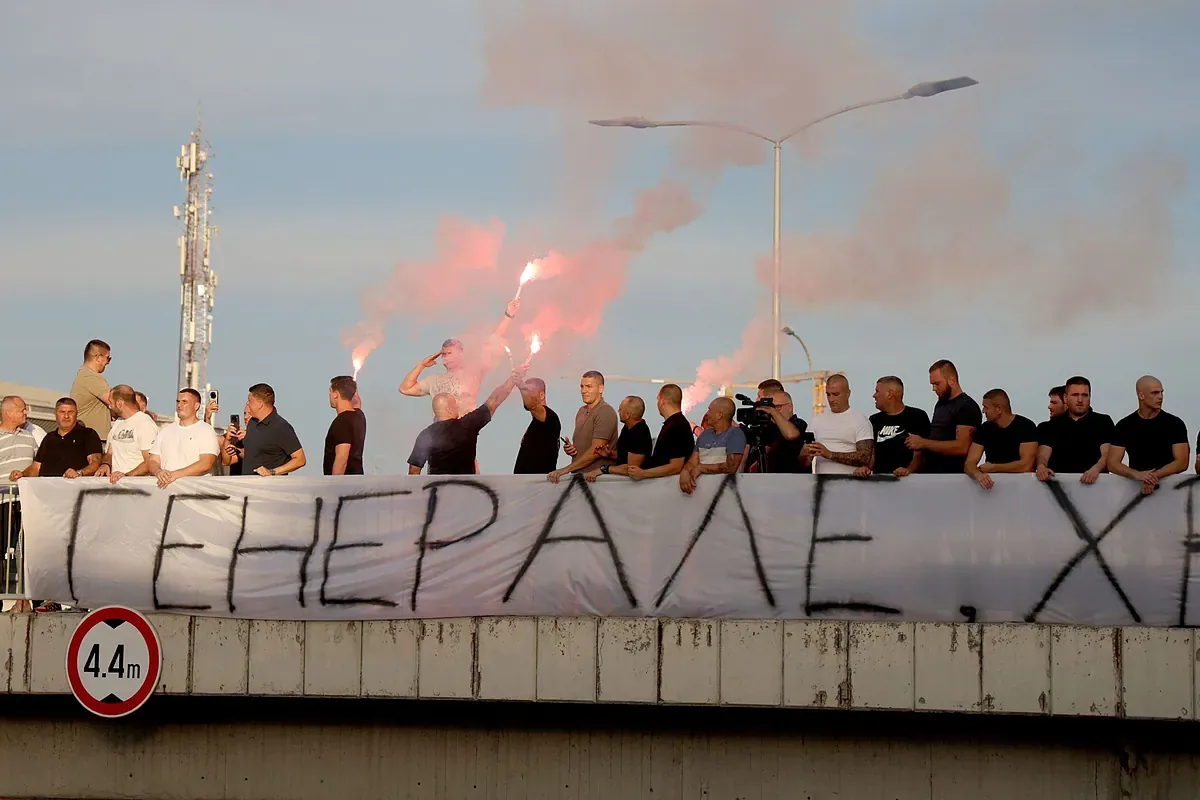
The second electoral paradox affects the extremists of the Sweden Democrats. In a Europe where the radical right advances, the SD drops three points (from 20.5% to 17.5%) and loses 11 deputies. And most humiliatingly, it falls from second to third place, behind the Moderates, after publicly expressing its aspiration to become the country’s first party. It is their first setback in a general election after decades of rise, and a wake-up call to other European populisms. Part of it may come from tactical voting to strengthen the Moderates and save the Liberals from the 4% threshold. It may be due to the wear of supporting the Executive from outside the government. Although it would be premature to read it as an ideological defeat, some analysts point out that they managed to impose so many initiatives to “make Sweden Sweden again” that they ran out of the bulk of their radical repertoire in this election and “died of success”.
But even at their lowest moment, the extremists know their great victory is having infected the rest. “When a radical right party starts taking votes and the other forces perceive it as a threat, all parties adopt more restrictive policies; the Swedish Social Democrats have also done so in a certain sense, which has allowed them to maintain percentages between 20% and 30% and not sink to the levels of France or the Netherlands,” explains Swedish essayist Jonas Hinnfors.
Swedes know that Andersson does not propose returning to the open-door policy of the refugee crisis. The Social Democrats already defend much more restrictive immigration and supported part of the reforms of this legislature. In this area, they resemble more the Danish Social Democracy of Mette Frederiksen than the Spanish one of Pedro Sánchez.
The new Parliament will meet for the first time on September 28 and the earliest date on which the president of the Riksdag can propose a prime minister is September 29, but negotiations could be considerably prolonged.