





Eight days after the EU Court of Justice concluded that the Amnesty Law is compatible with community regulations, the Supreme Court has applied the measure of grace to eight individuals convicted of disobedience or public disorder offenses.
Read more Ukrainians defy Zelensky and demand Fedorov’s return as Minister of Defense
This was announced by the Criminal Chamber of the Supreme Court in four rulings in which it declares the eventual criminal liability of these individuals extinguished, among whom is the former president of the Catalan Parliament, Roger Torrent, who was convicted along with the members of the Bureau Josep Costa i Roselló, Eusebi Campdepadrós and Adriana Delgado Herreros for an offense of disobedience related to the procés.
Specifically, for admitting two parliamentary initiatives for processing, one reiterating the right to self-determination and another reproving the monarchy. All this, despite the fact that the Constitutional Court had previously annulled resolutions of the Parliament of this nature and warned that this type of initiative could not be allowed.
In this process, the defendants were acquitted by the High Court of Justice of Catalonia (TSJC) in November 2022. The Public Prosecutor’s Office appealed this decision in cassation, although the resolution was paralyzed pending the Constitutional Court’s decision on whether the Amnesty Law, approved in June 2024, was constitutional or not. The latest decision of the TS declares the eventual criminal liability extinguished and declares the costs incurred ex officio.
The fifth amnestied person is Maties Serracant, former mayor of Sabadell, who was convicted in May 2023 for making municipal resources available for the celebration of the 1-O referendum.
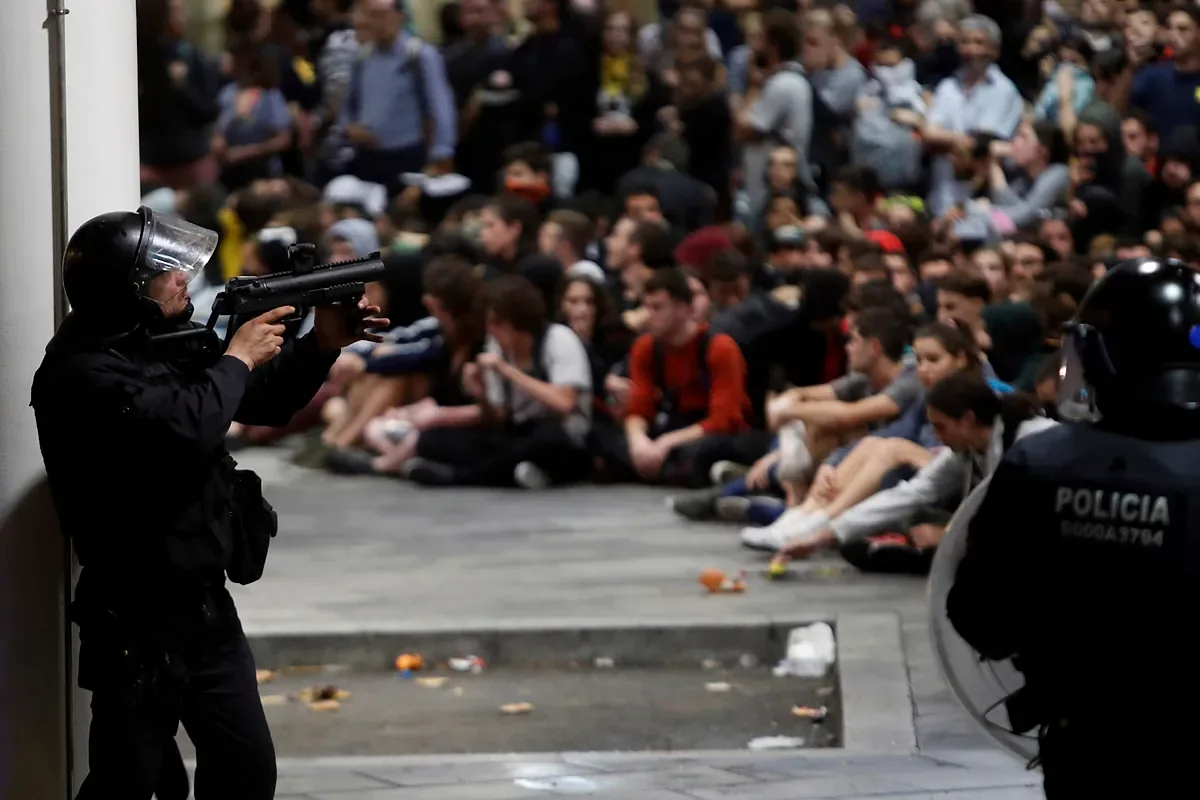
The other three are individuals linked to the disorders that took place after the procés sentence was announced: two of them convicted in 2021 and the third, in 2022.