





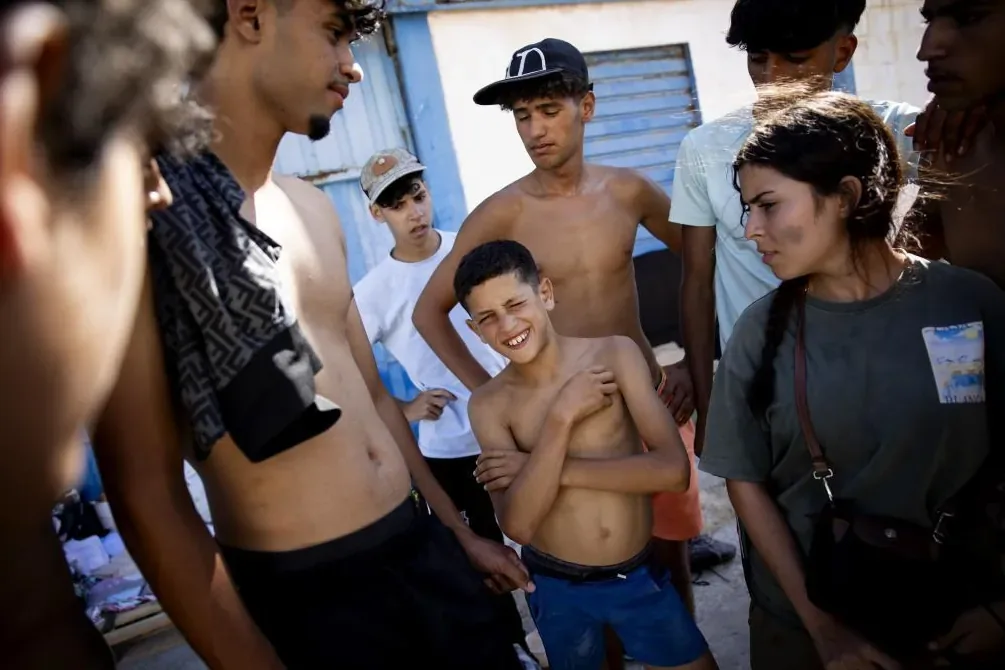
“In Spain, the fundamental rights of minors and adults are respected. That is beyond question.” The phrase was spoken yesterday at a press conference by the Interior Minister, Fernando Grande-Marlaska, and with it, he sought to close any debate on the matter. But in Ceuta, on the streets, there are hundreds of boys and girls who tell a different story: beatings, hunger, fear, or nights without shelter, among garbage, graves, and exposed to the lasciviousness of sexual predators.
Kenza, from Fez, is a 15-year-old teenager with a head wound. She shows it by moving aside her dark, almost black hair to reveal the scab on her scalp. She says that upon arriving in Ceuta, she was hit with a stone. “I was bleeding from the head and the adults took me to the hospital, but they didn’t treat me,” she says.
Rida is 12 years old and from Tetouan. He has been in Ceuta for 10 days. He hops on one leg, with his knee and a finger bandaged, and cannot walk properly or sit normally. He says he spent the first eight days almost without eating. “A journalist gave me money to buy something,” he explains. He was with two friends and they arrived at the Príncipe neighborhood. There he says there was a fight.
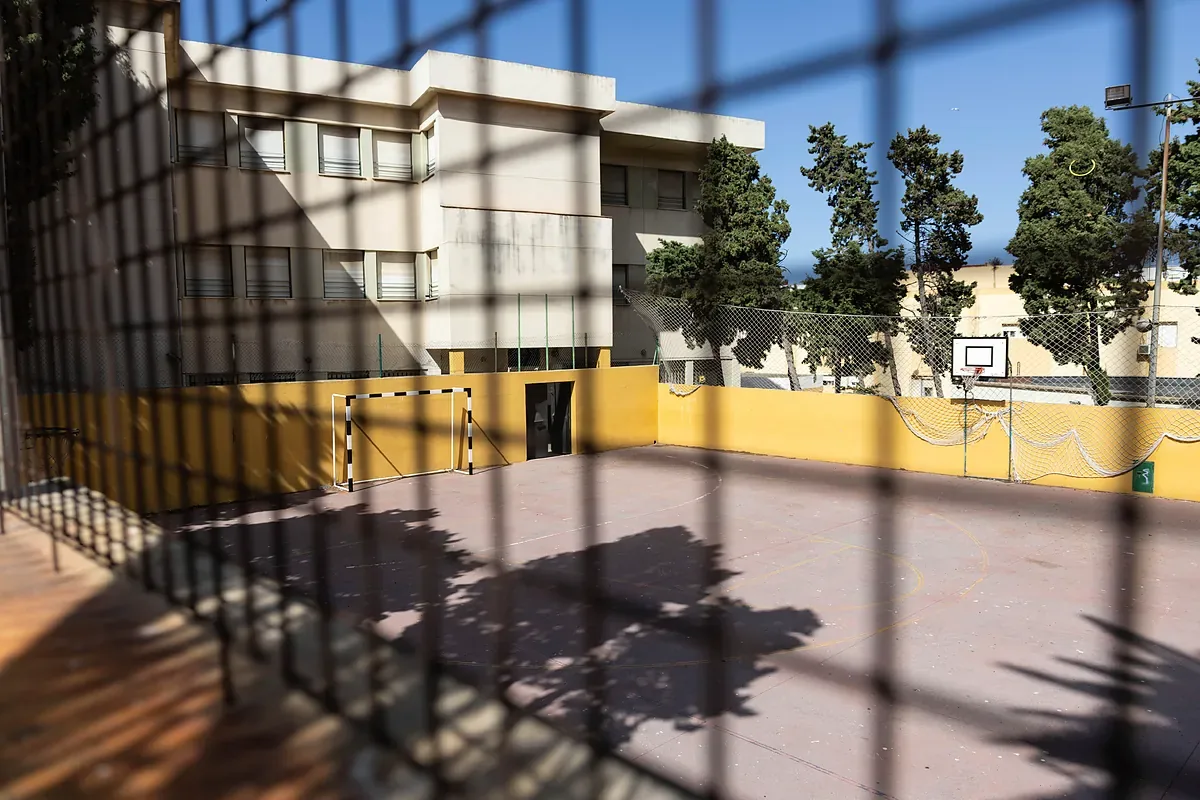
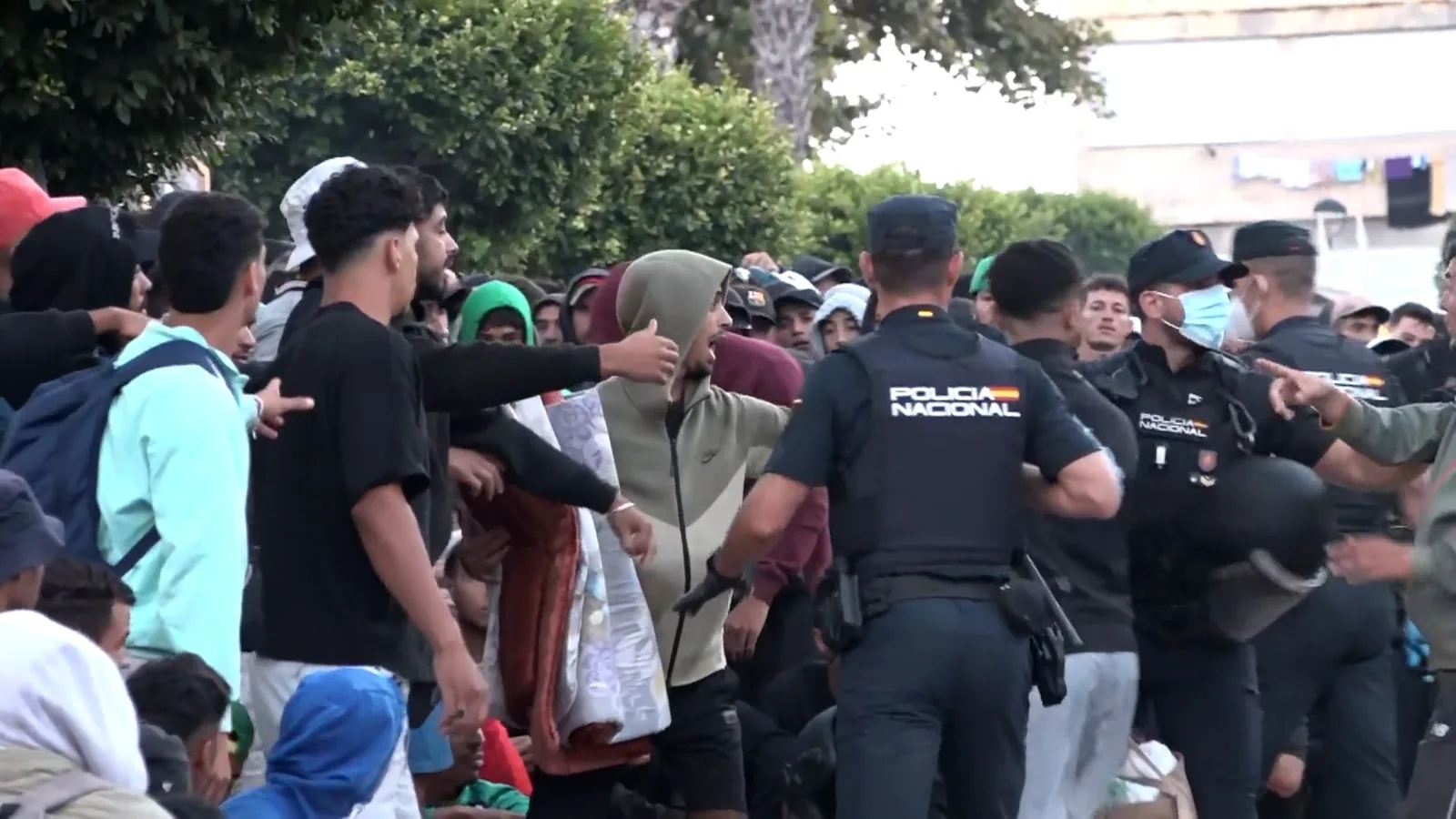
“They chased us, they even showed us a gun. We were standing in line to eat something and they attacked us. A friend who tried to intervene was cut with a knife. I ran, jumped over a wall, and they hit me.” The next day, at 10 in the morning, he was taken to the emergency room. They treated him, he slept a few hours on the stretcher, and the Police returned him to the Cash Diplo warehouse, in the Tarajal industrial estate, a favela on Spanish territory where hundreds of children sleep among rubble, garbage, and the smell of urine: “A policeman who spoke some Arabic told me to stay here.”
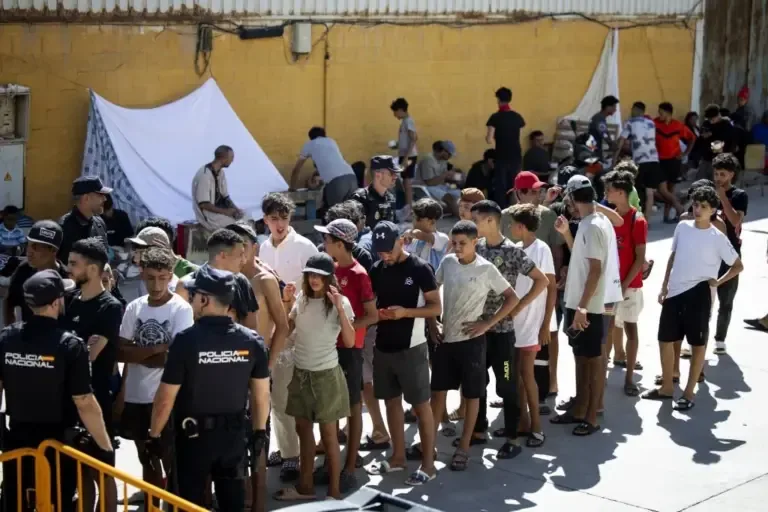
The great Spanish ‘favela’ with 1,800 migrant minors in Tarajal: “There are seven-year-old children who don’t know where their parents are”
- Writing: DANIEL J. OLLERO (TEXT)
- Photography: ALBERTO DI LOLLI (PHOTOGRAPHS) (Special correspondents)Ceuta
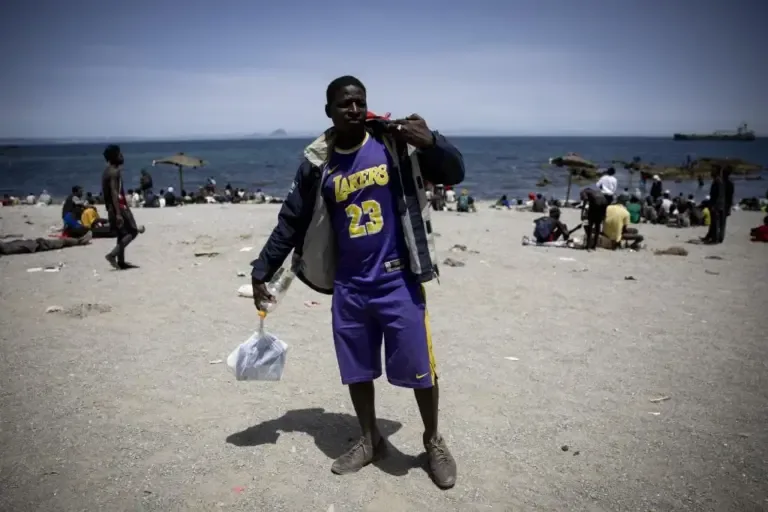
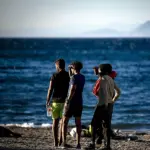
The drama of Mussa among hundreds of Africans stranded on Trampolín beach: “My four friends died trying to cross”
- Writing: DANIEL J. OLLERO (TEXT)
- Photography: ALBERTO DI LOLLI (PHOTOGRAPHS) (Special correspondents)Ceuta
All things considered, they have been lucky. Next to him is Fadal, a young Moroccan who has come to the Tarajal industrial estate with two mobile phones and a power bank so the children can call their families. He also acts as an improvised interpreter. He says he has made several trips to Morocco to buy and bring clothes. He points to two 15-year-old girls with stomach pain, unable to move, and adds another extremely serious point: “There are also others who have been raped in the Príncipe neighborhood.”
Nordin, a father of about 50 years from the Príncipe neighborhood who walks with his son, expresses it bluntly. “There are newly arrived girls who have been raped. There are also others who are prostituting themselves to earn some money, and some spend the night at the houses of older men to sleep under a roof. They put up with it because they prefer it to sleeping on the street,” he says with a resigned expression. In his opinion, and that of other people working on the ground, the problem does not remain on the outskirts of the city but moves towards the neighborhoods. “They are moving everything away from the center and taking it to the neighborhoods. There are dozens of children lying in the streets or hiding there,” he denounces.
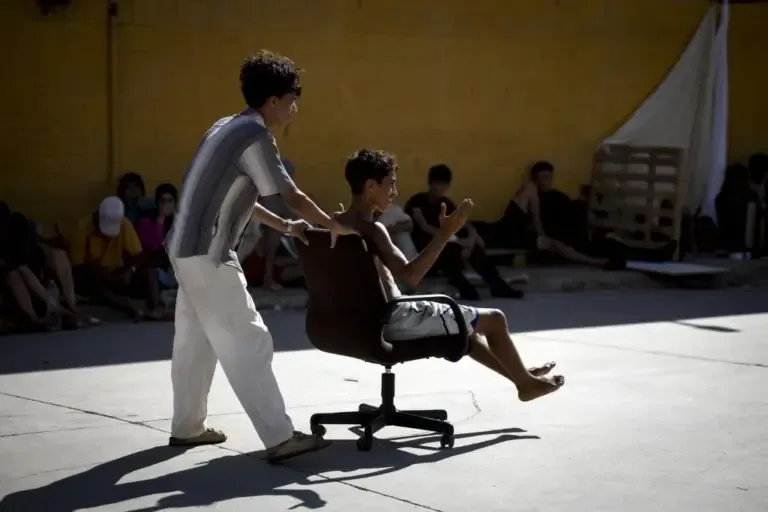
A volunteer who distributes food confirms this same trend with another scene: “In Príncipe, I have seen very, very young girls, made up, prostituting themselves… I told them I would take them to Morocco, but they didn’t want to leave.” These are testimonies that point to sexual exploitation and an extreme form of survival among isolated minors without a clear protection network.
Meanwhile, many young people seek refuge from the heat in the Muslim cemetery of Ceuta, one of the few places in the city that had running water during the last few days. There they could wash and cool off with hoses and fountains. But on Tuesday, the hustle and bustle of previous days ceased: partly due to the “voluntary” returns carried out by the Army on Monday and partly because the cemetery fountains, as had already happened with the freshwater showers on the beaches, were completely dry.
The only traces of child presence in the cemetery were concentrated among the weeds and brambles, from where voices of teenagers came, or in the shade of the palm trees. Two boys from Casablanca said they wanted to travel to Spain: one to reunite with relatives living in Almería and work making carpets; the other, to study hairdressing.
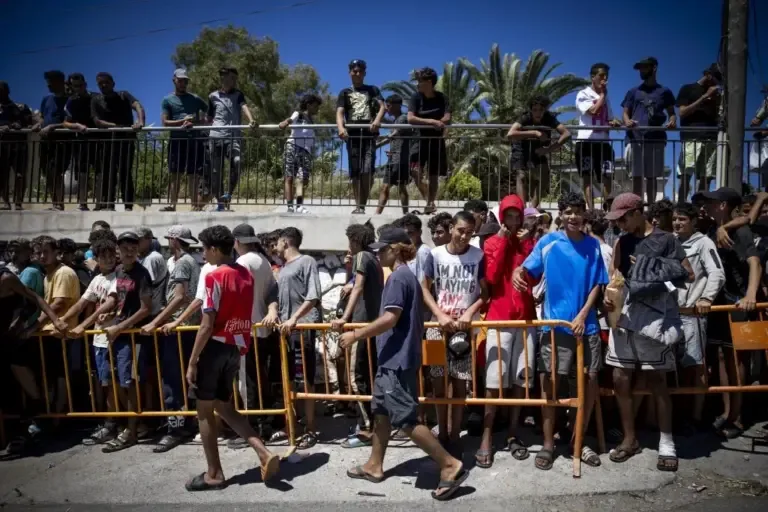
Up the hill, next to the Sidi Embarek mosque, two long lines mark the landscape: one for minors and another for adults, while volunteers from the White Crescent prepare food rations tirelessly. In that context, among the young people, hope also circulates, even if through a broken phone. “We have heard that a law has been passed saying that we will all go to Spain (to the Peninsula) in 15 days,” they say, referring to the statement by the Minister of Youth and Childhood, Sira Rego, who reminded yesterday that “the transfer of migrant minors to other communities must be carried out within a maximum period of 15 calendar days, from their registration and the start of the file.” For the children on the streets of Ceuta, this is considered an imminent victory. However, none of the minors this newspaper has been able to speak with are registered with the Administration.
Minister Marlaska insists within the framework of human rights. He has also raised the number of arrivals in Ceuta to 72,000, when the last official Government figure was between 50,000 and 60,000. According to him, of those 72,000, 70,000 would have already returned. Asked about the legal protection of these movements, the spokesperson for Pedro Sánchez’s Government, Elma Saiz, emphasized: “The Government’s migration policy always puts human rights at the center and, once again, Spain has been up to the task and will continue to be, inspiring and defending the principles that always support this policy.”
However, there is no trace of the protection network that should accompany human rights. For much of Tuesday, Fadal moved by car from one side of Ceuta to the other looking for a place under a roof, under the care of the Spanish public administrations. The journey only served to waste gasoline. Even if they tried in the company of adult neighbors from Ceuta who took them to the centers. “They tell them to leave,” he laments. In this way, the registration date inexorably delays the two-week limit for transfer to the Peninsula.
Also, some minors present in the various settlements tell this newspaper how, during Monday, the Army captured and expelled some of their friends. “He didn’t want to leave, but the soldiers grabbed him by the arm and took him away,” says a boy in the Tarajal favela, and regrets that during the last few days they have received police baton blows.
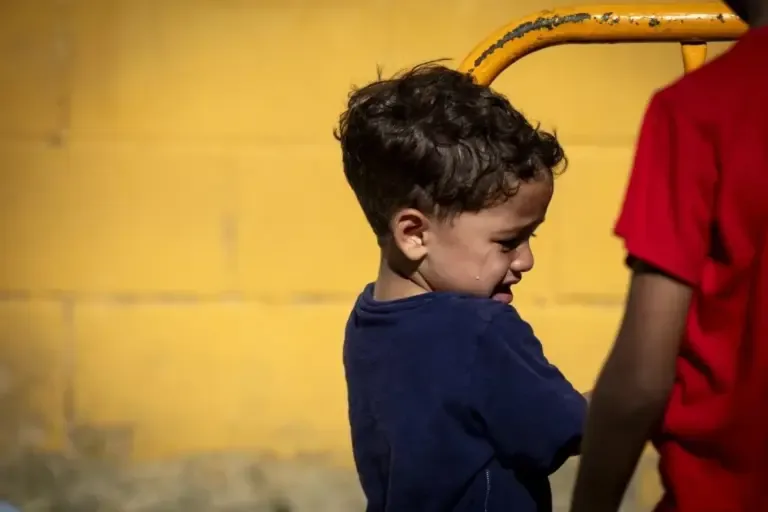
In this regard, the Government’s minority partner, Sumar, has requested that the law be respected so that the migratory crisis in Ceuta is managed “with humanitarian criteria and respect for human rights” and has demanded that there be no “returns of minors or people who could apply for asylum.”
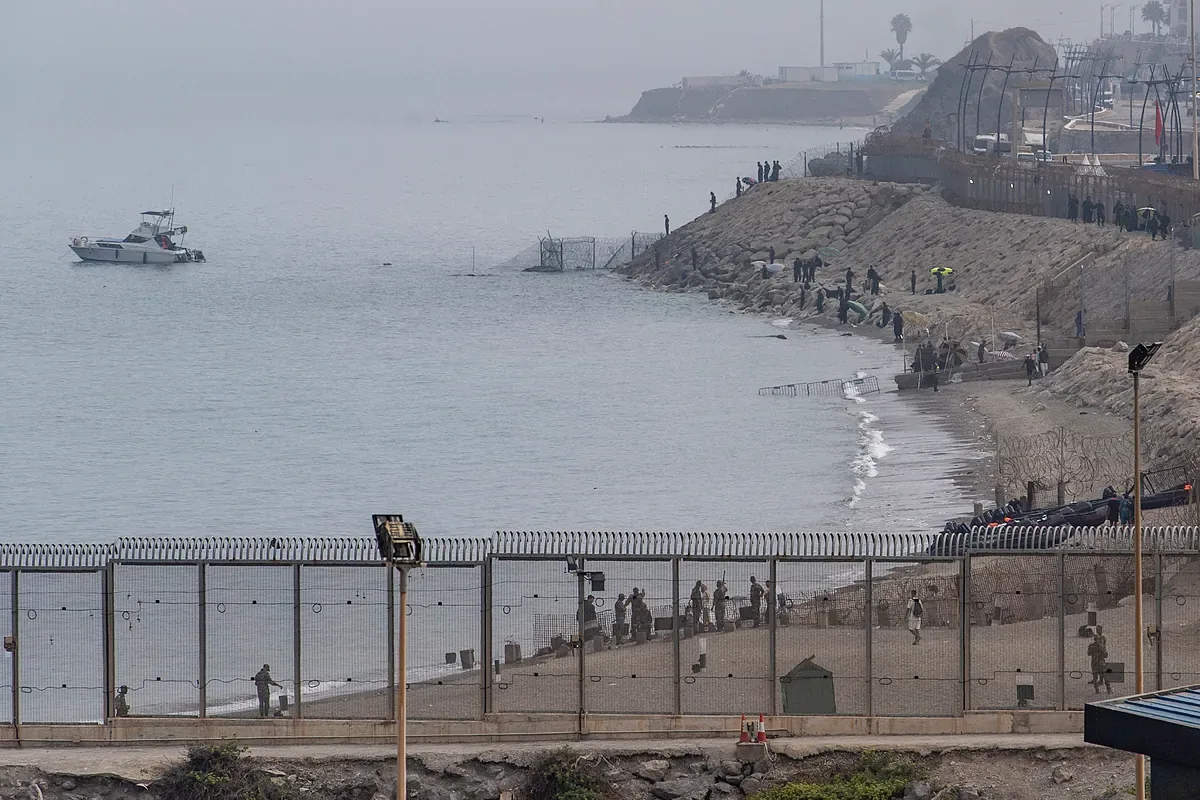
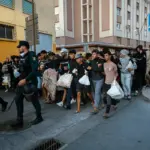
However, these strange returns have continued to happen at least until this Tuesday. Shortly after nine in the morning, this newspaper’s cameras captured a group of dozens of boys escorted by members of the Samu Foundation and the National Police at the Tarajal border, heading to Morocco. Procedures that, according to the president of the Spanish Commission for Refugee Aid (CEAR) in a conversation with this newspaper, are completely outside the protocol.
Meanwhile, the image remains that of a city overwhelmed by the arrival of adults and children who survive among warehouses, lines, streets, cemeteries, weeds, and industrial estates. The distance between the institutional language of Government members, praising respect for the “fundamental rights” of “vulnerable people” in Spain, and the everyday scenes in Ceuta seem like two realities difficult to reconcile.
Read more Anchors of foreign action