




“1st day: 2,672 registered. 2nd day: 2,188 registered. Total: 4,860”. The note, handwritten and stuck on a plastic folder, is brief. Inside, pages and pages accumulate with names, ages, and contact phone numbers of relatives of minors under 18 who still have no place to sleep in Ceuta. The count, carried out by neighborhood associations and volunteers from the Príncipe neighborhood, more than doubles the official figures, while the Government has barely enabled a school to accommodate about a hundred girls.
Mariam holds the folder in a small office located next to the old church in the neighborhood. “This is up to last night. Many more are missing but today we stopped counting because we are going to take the figures to the Government delegate so that he gets an idea of how many people there are and realizes that they need help,” she explains.
Outside, a man tries to organize the line. Inside, children flutter between computers and monitors, while three women work sitting at the tables. At the first desk, Mariam opens the transparent folder and shows the sticky note with the result of two days of counting: 4,860 minors.
The figure does not include children who have not yet passed through the headquarters nor those who remain housed in private homes. The volunteers stopped writing down names to take the list to the Government Delegation. “There are not a thousand minors, as they are saying on TV. It’s impossible. The numbers don’t add up,” Mariam insists.
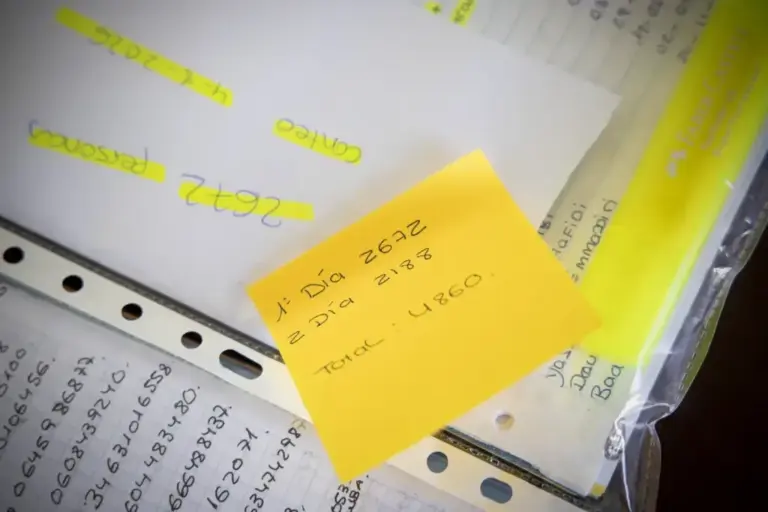
Some names appear underlined. “They correspond to minors under 13 years old, who have the highest priority,” she explains. The neighbors try to transfer those children to police facilities so they can be identified and the authorities can find them a place as soon as possible.
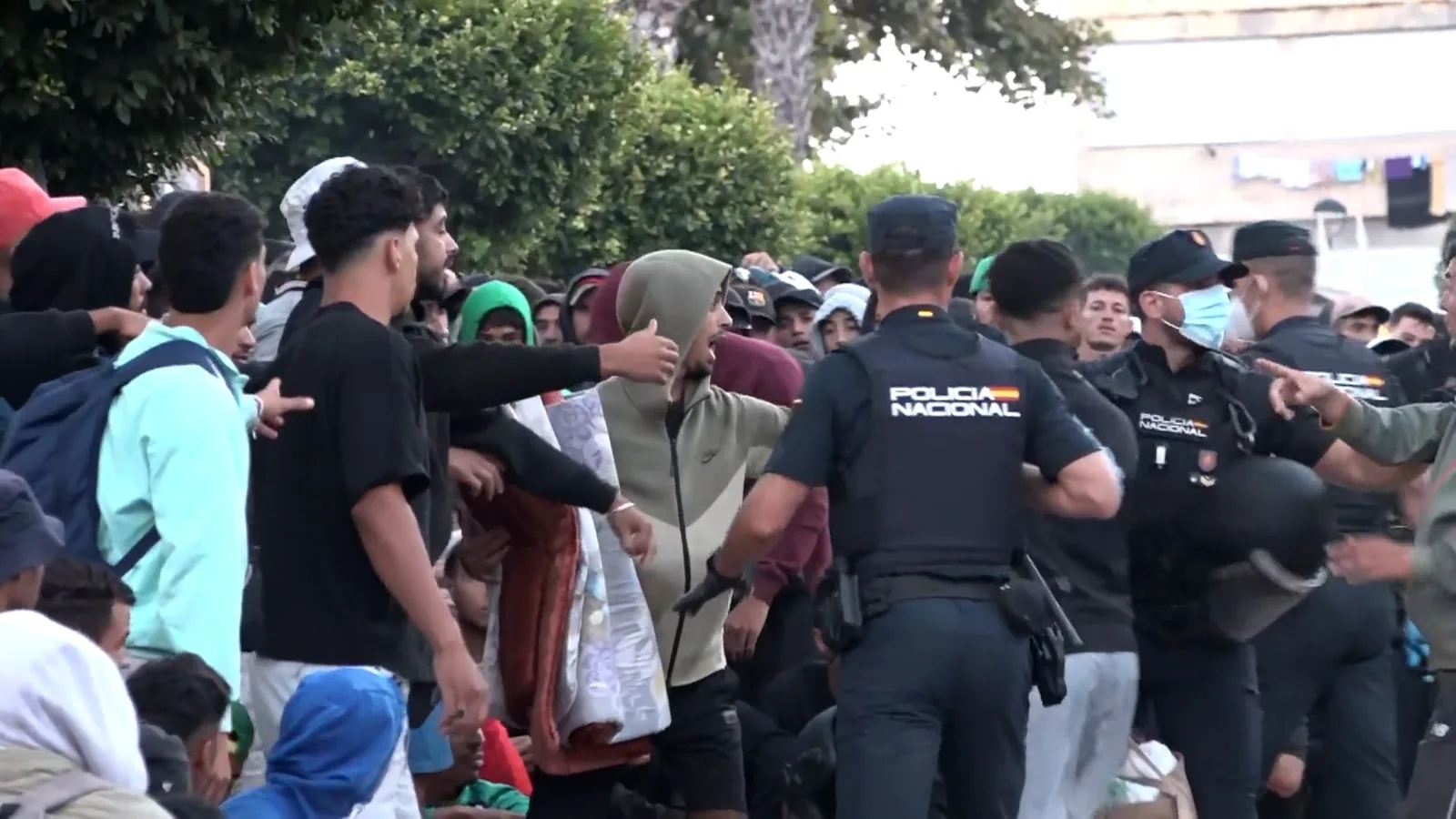
In the small room, a group of minors under 14 years old waits. There are two twins dressed exactly the same, a boy wearing a Messi t-shirt and two others who watch the scene, disoriented. Meanwhile, the adults organize how to take them by car to the National Police station so that their unofficial registration becomes official. Around them, volunteers make phone calls, check lists, and prepare new transfers.
“I have three siblings at my house,” says one of the women. “Now we are going to take this group to the Police and then we will continue making trips. They told us that for now we should only bring down minors under 14 years old and we had to separate them from their older brother. It was a movie because they spent the whole morning crying.”
Most of the registered minors come from Morocco, although among the names there are also Egyptian and Yemeni children. “These children need a solution. The neighbors are taking them into their homes, but the situation is unsustainable and cannot continue like this,” laments one of the volunteers.
More than a week after the massive entry of migrants into Ceuta, the inhabitants of Príncipe have compiled the most detailed register of migrant minors to date. They also provide them with food and shelter and try to contact their relatives in Morocco. “Some don’t know any relative’s phone number. Others have managed to talk to their parents but they neglect them, and there are also those who ran away from home a week ago,” they explain.
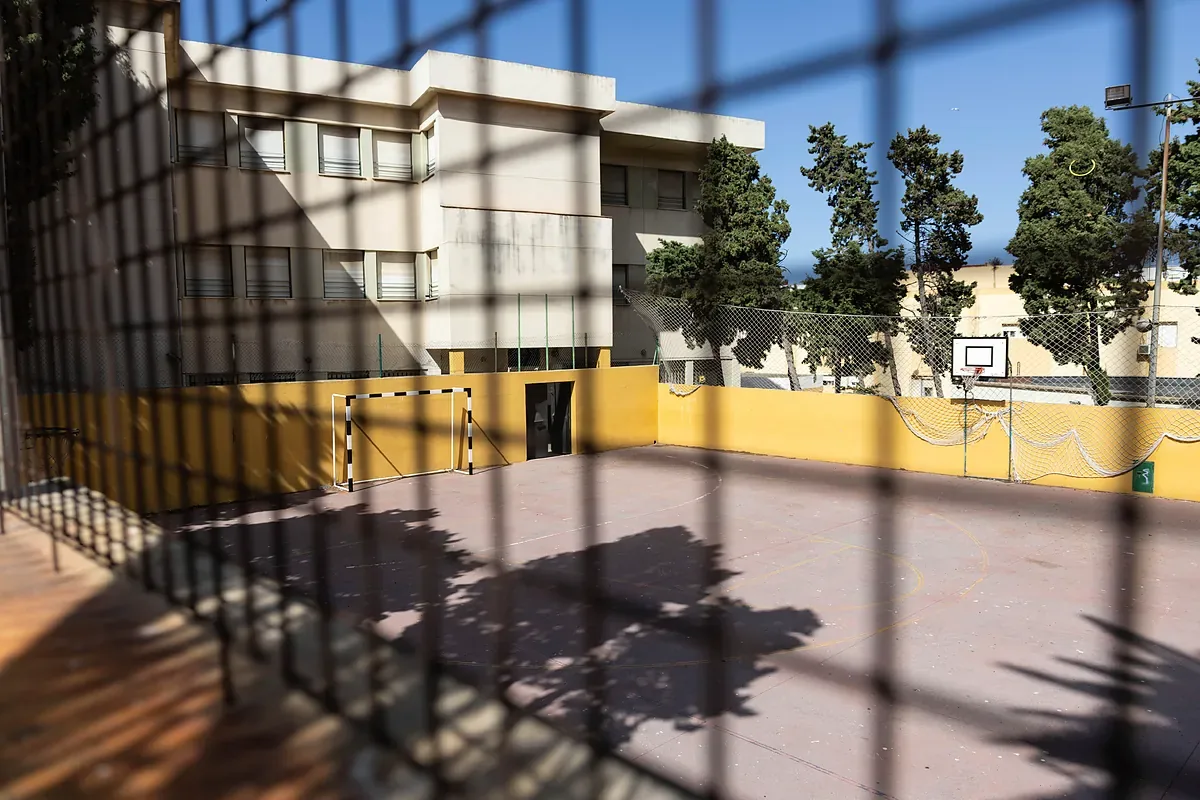
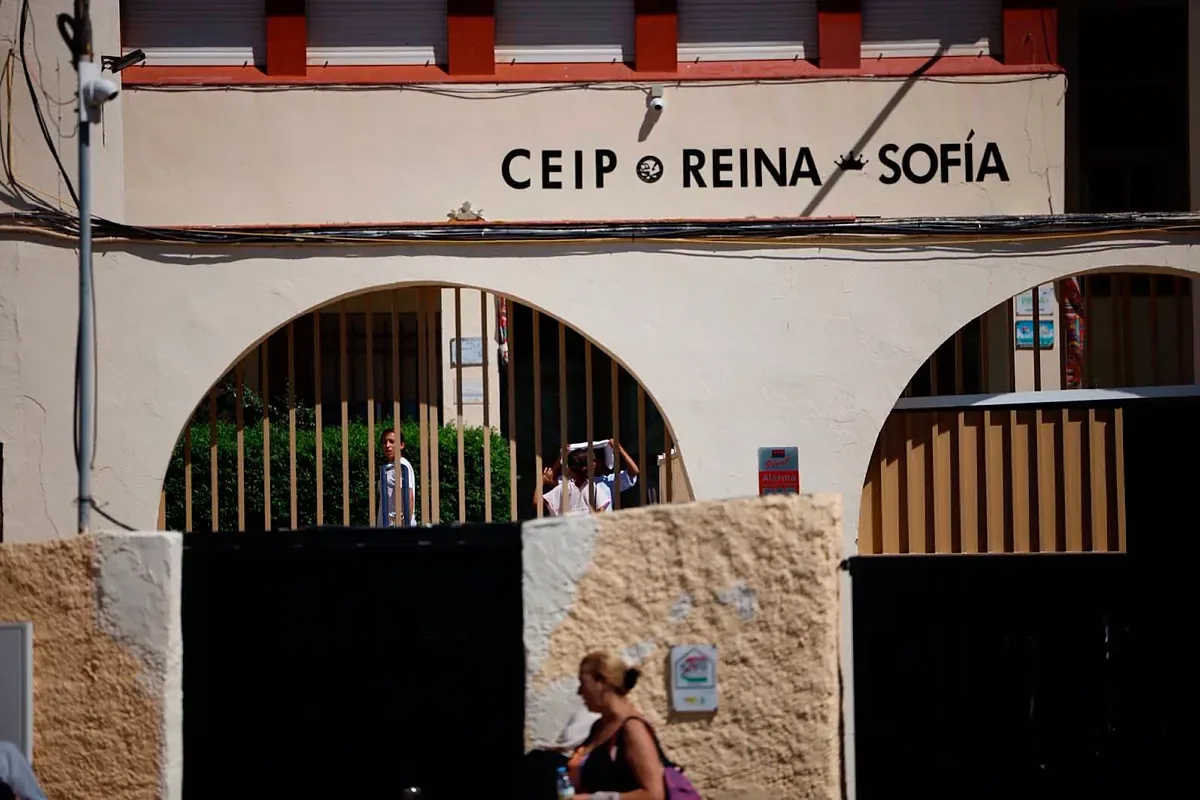
A few minutes’ walk from the old church, the Reina Sofía school, enabled by the Government coinciding with the visit of Minister Sira Rego, shelters “around 100 girls,” according to a worker at the center who spoke to this newspaper. That figure represents just over 2% of the 4,860 minors registered in the Príncipe neighborhood. The employee shows, through a small window, the cots installed in the school garages. “Yesterday they installed portable toilets and there are showers in the locker rooms,” he explains. Through the small opening, a couple of girls, thin and under one meter forty, can be seen walking with white cloths.
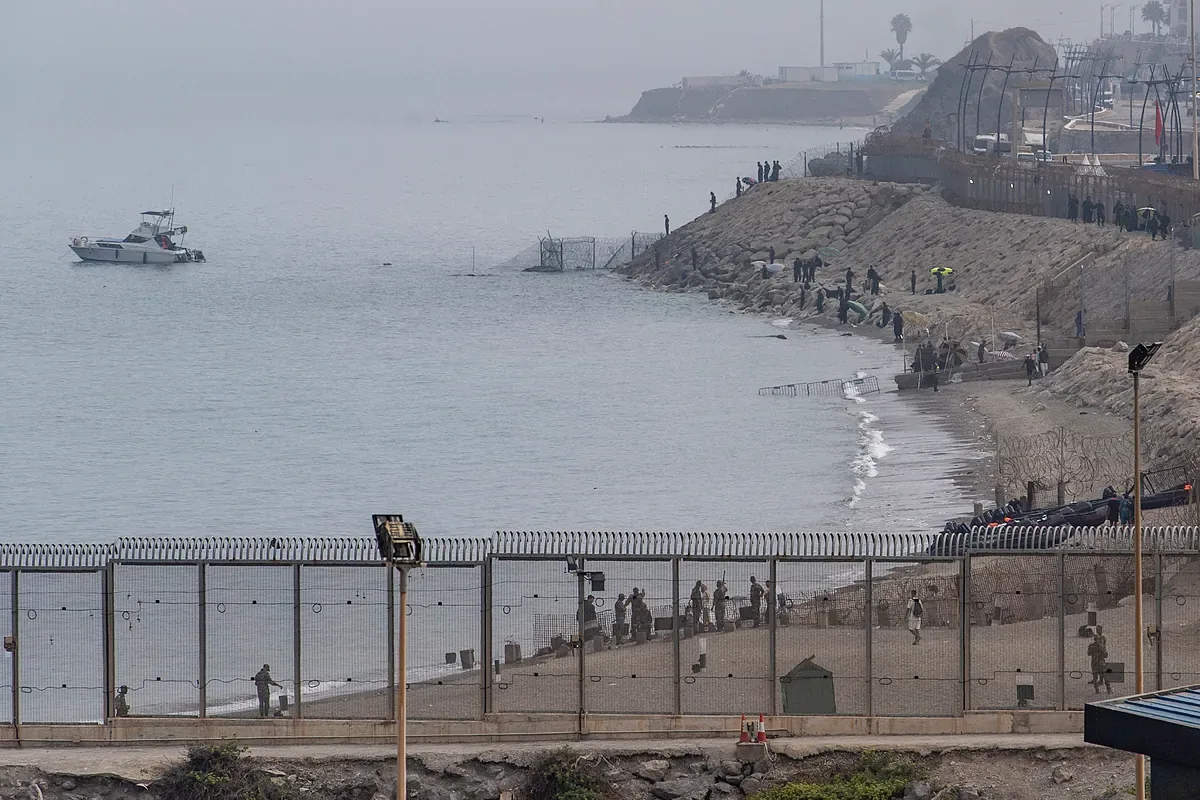
The data in the folder also exceed the estimates disseminated by the administrations about the total number of people who remain in an irregular situation in the autonomous city. The Interior Minister, Fernando Grande-Marlaska, stated on August 4 that 72,000 people had entered Ceuta and that more than 70,000 had already left. According to his calculations, about 2,000 migrants remained in the city.
One day earlier, the Government Delegation had raised the figure to about 2,500 people. The President of the Autonomous City, Juan Jesús Vivas, updated his previous estimate on August 5 — set between 3,000 and 5,000 — and assured that there were still about 6,000 people in an irregular situation “wandering” around Ceuta.
Meanwhile, in Príncipe, Mariam closes the folder again while a colleague hands out sanitary pads. The number of minors registered in the office next to the church more than doubles the total figure — which includes both adults and children — handled by the Ministry of the Interior.