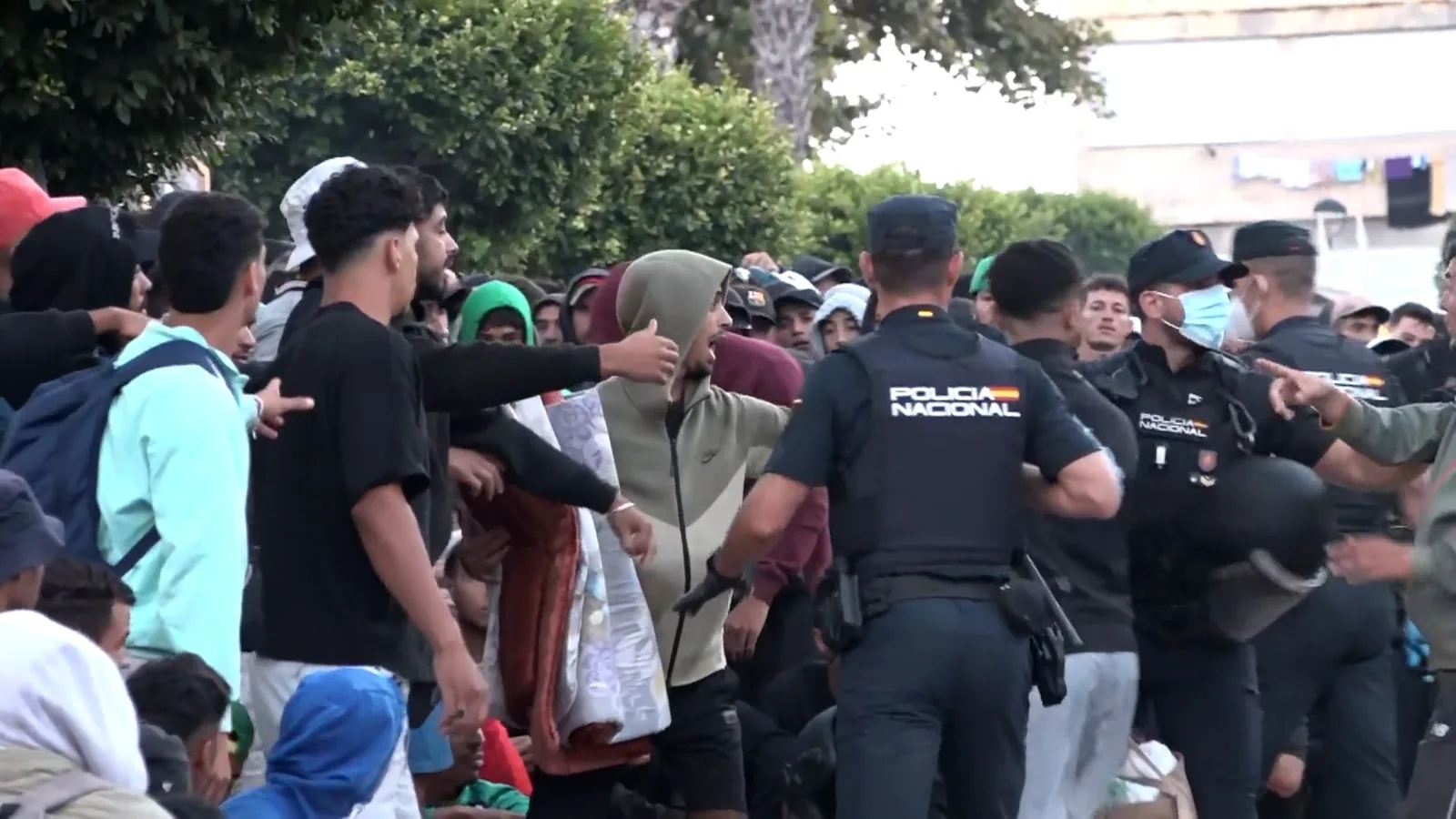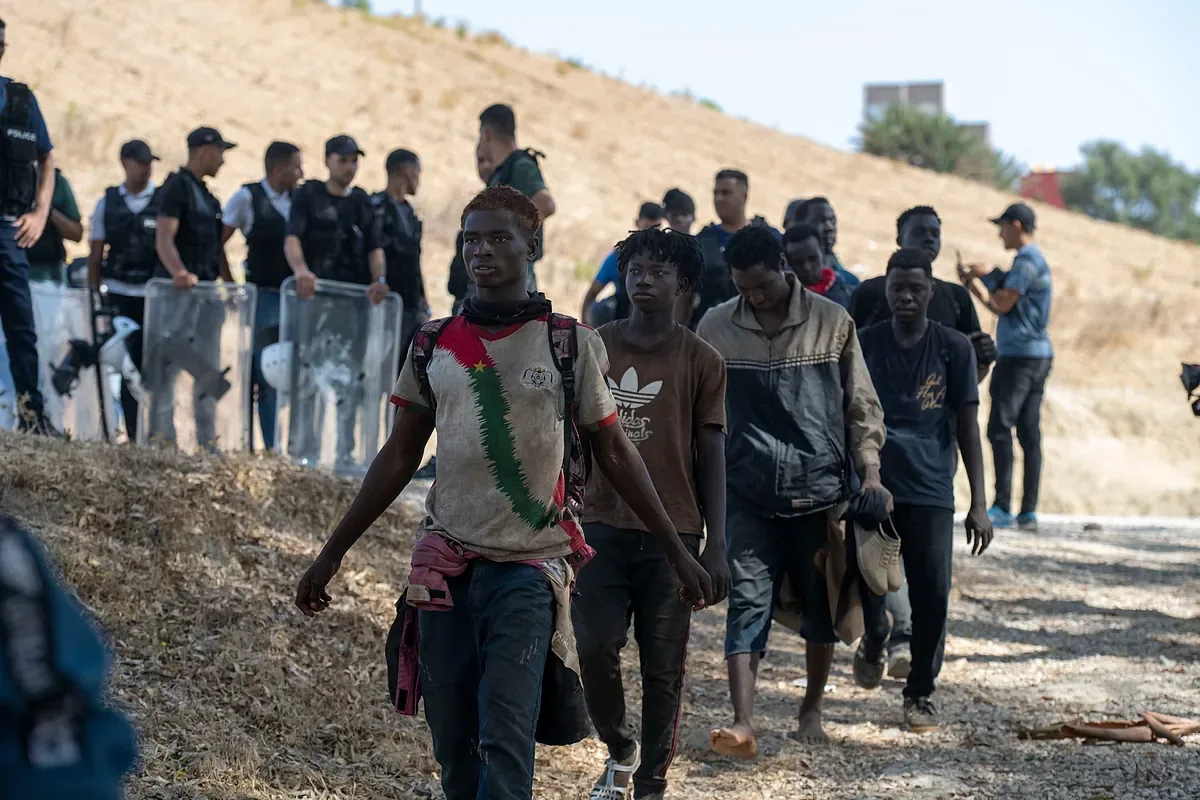







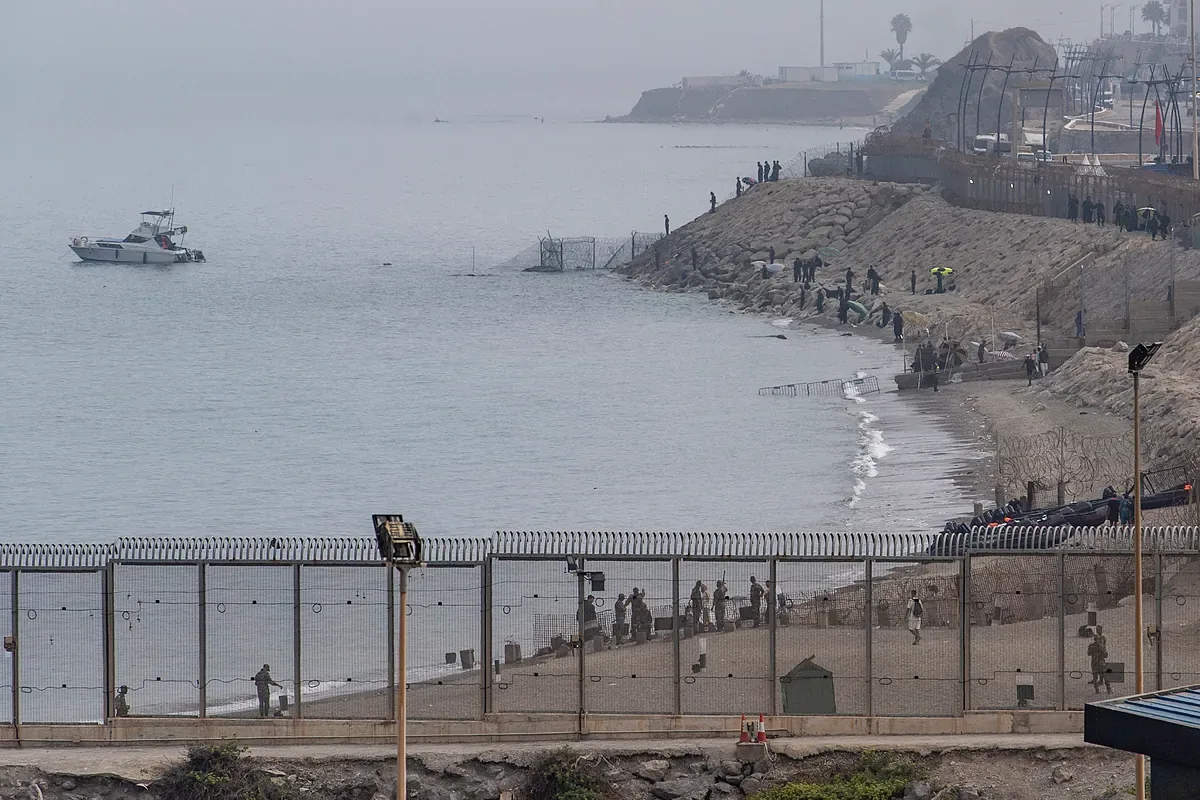
Although various members of the Government have been repeating in recent days that they are working so that “even the last person who has entered Spain irregularly returns to Morocco,” the truth is that Spanish legislation is very protective of asylum rights and minors. Thus, the scenario outlined at La Moncloa that practically all those who entered Ceuta irregularly will return to their country of origin is very far from reality. This is also evidenced by the fact that the Ministry of Youth and Childhood has been working “from the beginning” on a “comprehensive plan for the reception of unaccompanied migrant children in Ceuta,” according to sources from the department led by Sira Rego this Wednesday.
Read more «Ceuta cannot be the Albania of Spain»
This comprehensive plan includes different approaches. One, and the one that has generated the most controversy in recent days, is the one recorded last year in a royal decree that obliges autonomous communities to host unaccompanied migrant minors when the care services in the Canary Islands, Ceuta, or Melilla are overwhelmed – as is currently the case. The Ministry is working with this option on the table, but also considers “family foster care” and “other formulas that allow speeding up the reception.”
Among them, as reported this Wednesday by Cadena Ser and confirmed by sources from the Ministry of Childhood, is a route for “child protection organizations” to “develop the reception and care of the most vulnerable profiles, including girls.” It is considered that these entities do so “in adapted resources on the Peninsula,” but “without the need to transfer guardianship to the communities.” This would avoid the rejection that autonomous regions governed by the PP – or by the populares with Vox – might pose to assuming guardianship of migrant minors who need to be redistributed across the Peninsula.
At this moment, according to sources from the Ministry of Childhood, “work is being done urgently on this route for a specific number of minors, currently estimated at approximately 500” – although the number “may vary during the process.” The Secretary of State for Childhood, Rubén Pérez, has been in Ceuta since last Sunday “working on this comprehensive reception plan.”
The formula the Government is considering, although it contemplates that the communities do not assume the reception of migrant minors, does not satisfy the PP either. All despite the fact that the populares focused their reservations on, they said, a lack of means and resources to assume the care of more children in the autonomous communities.
The party spokesperson in the Senate, Alicia García, insisted this Wednesday that, in her opinion, “the best interest of the minor, for migrant minors, is to return to their families or to the child protection systems of their country, in any case.” Referring to Morocco’s consideration as a “safe country” by the European Union, the popular leader demanded the “return of minors and all migrants who are in an illegal situation in Ceuta,” thus denying the approval of the new formula proposed by the Ministry of Childhood.