






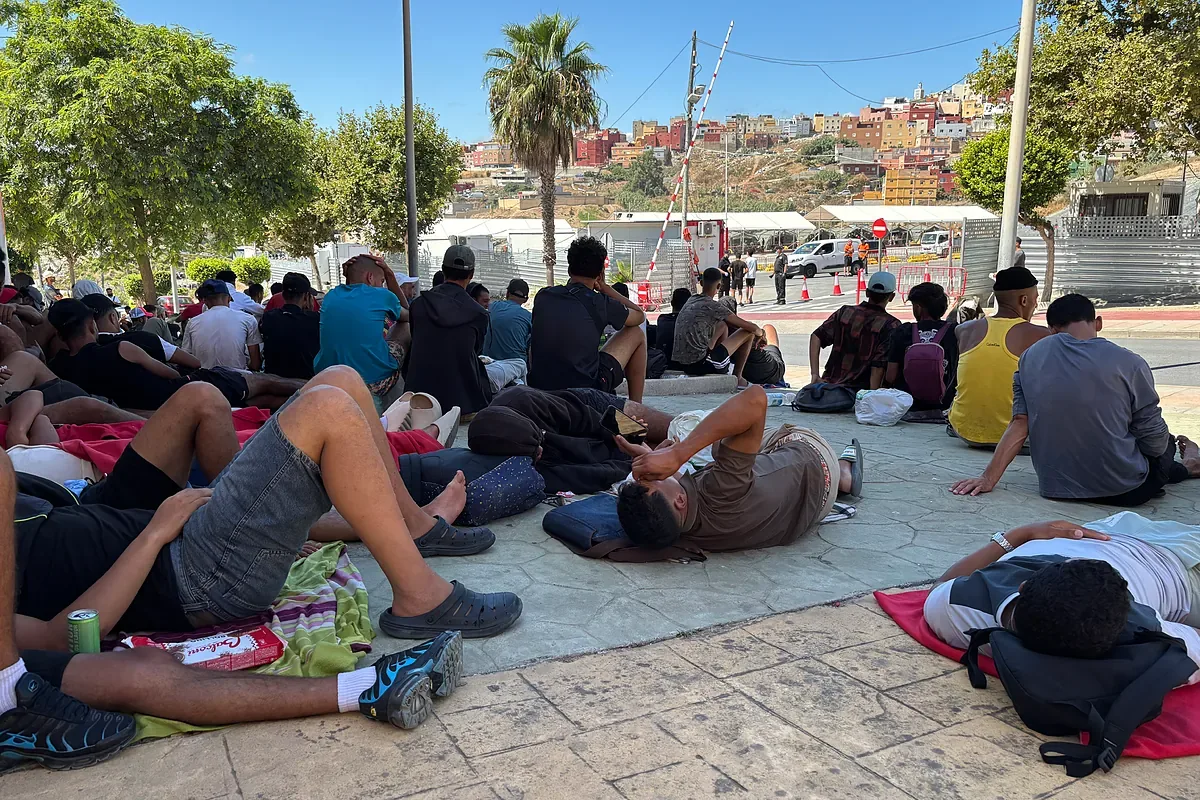
The migration crisis shaking Ceuta since the massive influx recorded on July 30 has ended up disrupting the routines of some of its neighborhoods. Fear, the feeling of insecurity, dirtiness, and uncertainty about how long this situation may last mark the narrative of the neighborhood representatives, who this Saturday were the protagonists in the Plenary Hall of the City Council Assembly. It was not the first time that the Ceuta president, Juan Jesús Vivas, faced them, as the round of neighborhood meetings began last week.
The passing days do not ease the laments, highlighting the despair.
Juan Jesús Vivas insists again and again on asking for «unity, temperance, and serenity». A mantra to calm the voices coming from the neighborhoods, that uncomfortable reality under the avalanche.
Samir is a family father. His claim appeals to the elementary, so elusive now: “I want to be able to leave the house with my children. We need to breathe and reduce tensions,” he explains. “If they can’t even go to the park, children lose their childhood,” agrees another neighborhood leader.
The concern is not distributed evenly. It is the peripheral areas that bear the consequences of the presence of thousands of migrants still in Ceuta with greater intensity. “This is total chaos,” assures José María Romero (neighborhood representative of the Recinto Sur neighborhood).
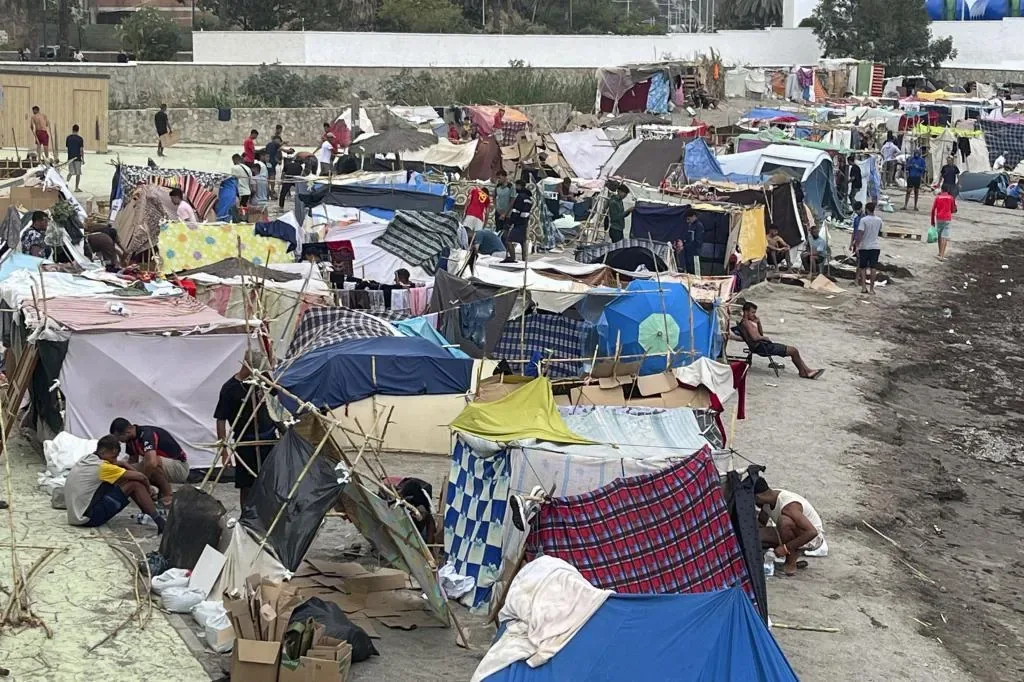
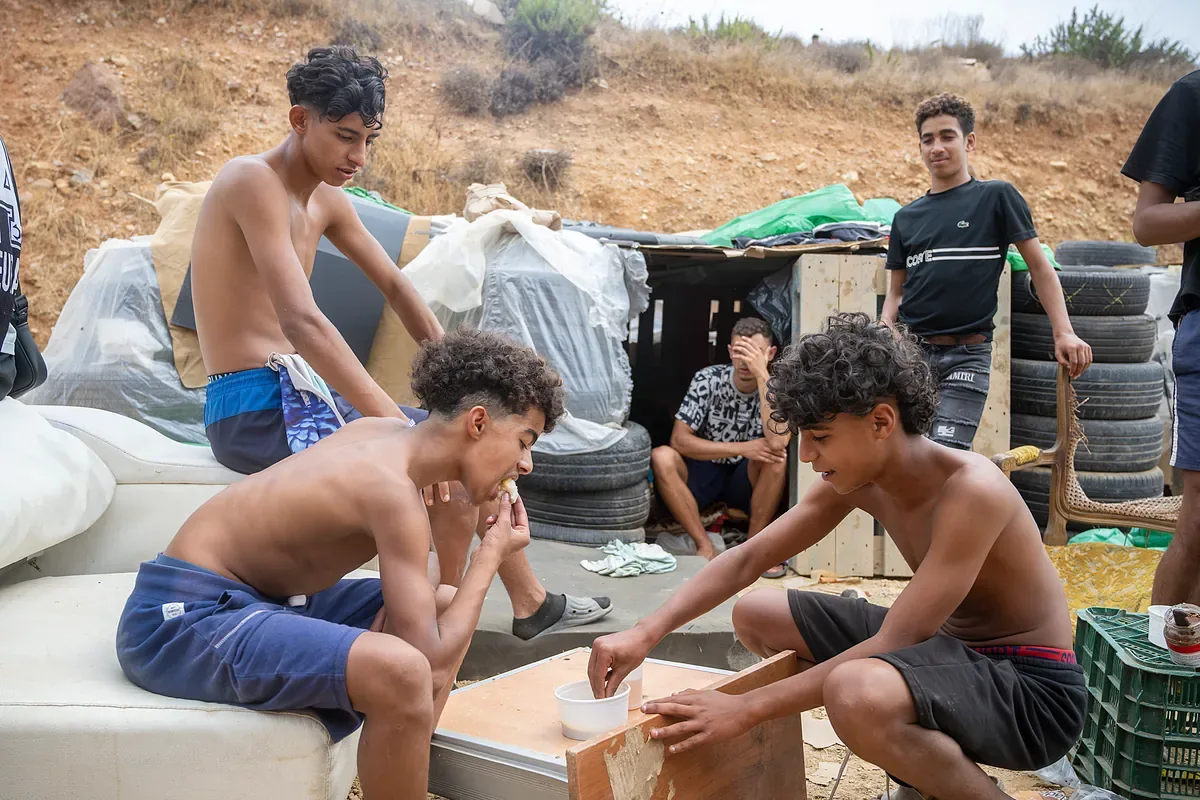
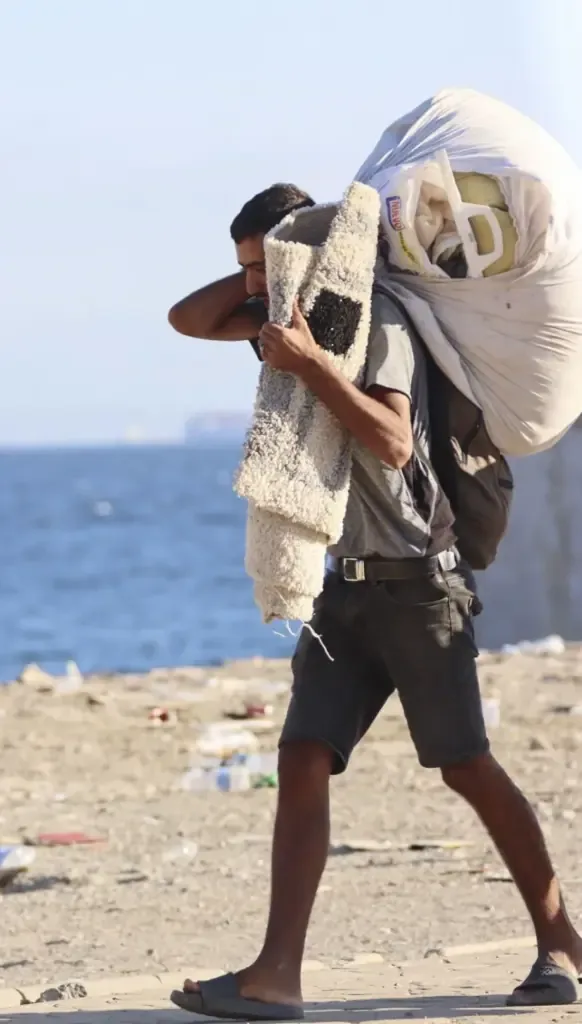
Some are being cared for in spaces enabled by the administrations, and others remain in improvised settlements. The neighbors also claim that there are people housed in homes, premises, and storage rooms in overcrowded conditions, with numerous occupants (around 15 in some cases) sharing very small spaces. These are people hidden from all administrations, waiting for the best moment to emerge in their long-term purpose: to reach the European continent.
The Vivas government faces the challenge of knowing who remains housed in those places and under what conditions, without the possibility of keeping a record or control for now. There is a curious cross-cutting among the neighborhood representatives: “This is not about left or right”. Urgency has diluted ideologies. The desire for normality prevails above all else.
Because security is the word most repeated when neighbors describe what happens after the last hours of the afternoon. They criticize the “scarce” police presence in certain areas when the sun sets and the unease is greater in some neighborhoods. In fact, as several of those who stand before Vivas describe, when the light disappears many retreat as the best solution. They talk about a sensation of lack of control, of large groups of young people occupying certain spaces, and of streets that, they claim, have stopped being used as before.
The daily routine also has a much less visible dimension: the accumulation of waste and unsanitary conditions in certain spots. “Neighbors do not open the windows because of the smell,” denounces one of the attendees at the meeting with Vivas.
The complaint reflects the wear caused by a crisis that has already gone beyond strictly migratory management to affect municipal services and the ordinary functioning of some areas. The Ceuta government itself admits that services and security are among the priority issues in the face of the verdict of neighbors who claim to be “at the limit.” They also ask that Ceuta not face alone a situation that, they consider, should affect the whole country. “We do not want to be left alone. We want all of Spain to support us. Today it has happened to us, tomorrow it could be others,” summarizes one of the attendees.
On the near horizon also appears a date that especially worries families. There are only a few weeks left for the return to school, where minors will have to travel daily to educational centers again (many of them unaccompanied). “We have children aged 13, 14, or 15 who go to class alone,” warns one of the neighborhood representatives. “This way they cannot go out on the street or return from school.” That concern turns the calendar into a countdown for families who will not be able to adapt their schedules to an exceptional situation.
President Vivas does not lose composure and appeals to “composure,” while praising the “exemplary” behavior of the citizens, recognized beyond this capital on another continent that claims itself as the heart of a country. “If the government abandons us, at least let the Spaniards not do so,” concludes José María Barrio.