





There is a basic fact to address the situation in Ceuta that, however, the fourth largest economy in the eurozone has been unable to reconcile with the slightest accuracy in more than a month of crisis: how many immigrants remain in the city out of the 72,000 who crossed the border at the end of July. The figures vary within a very wide range: from the 5,000 people that the Minister of the Interior, Fernando Grande-Marlaska, is fixed on, to the 10,000 estimated by the autonomous government presided over by Juan Jesús Vivas.
Read more Immigrant expulsions to Morocco stuck: «Officials do not want to sign»
The President of the Government, Pedro Sánchez, gave a clue yesterday in his interview on Ser by announcing the creation of 6,000 “temporary” places to attend to immigrants. “In a short period of time we will have enough capacity to accommodate the migrants who have stayed,” said the socialist leader, implying that he was referring to all the newcomers to Ceuta.
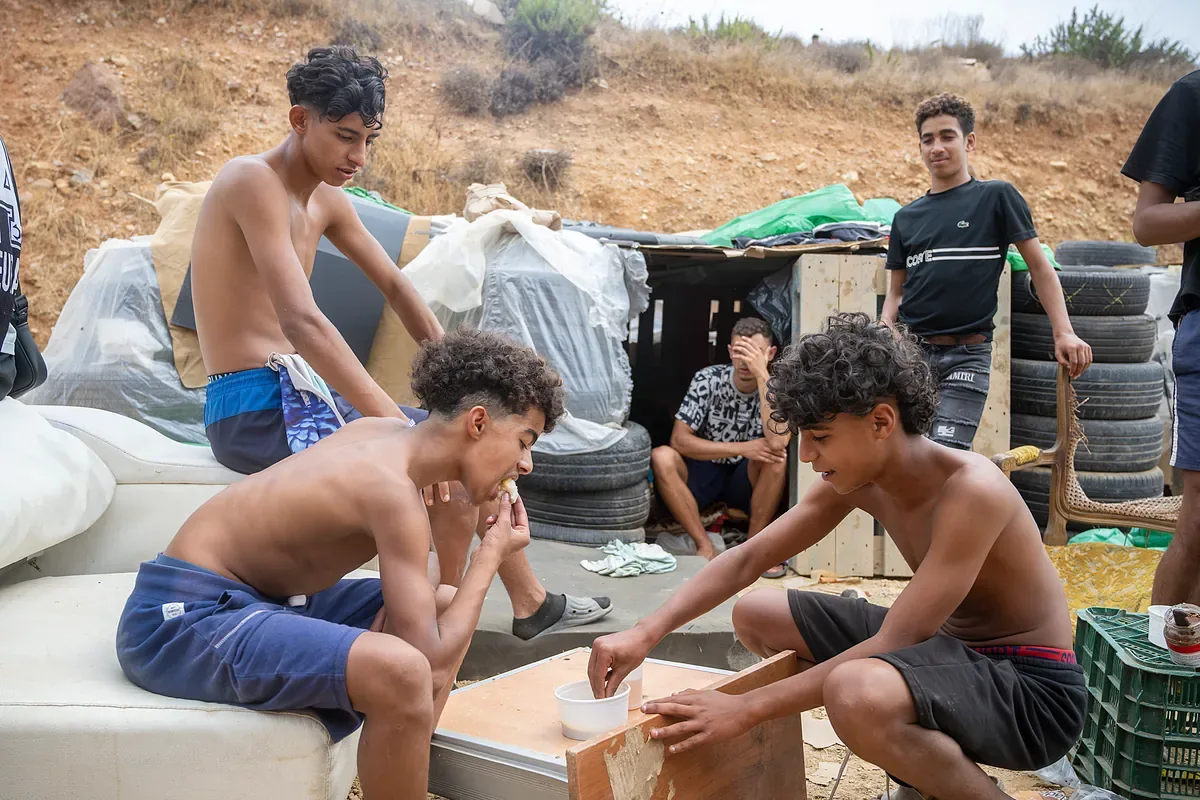
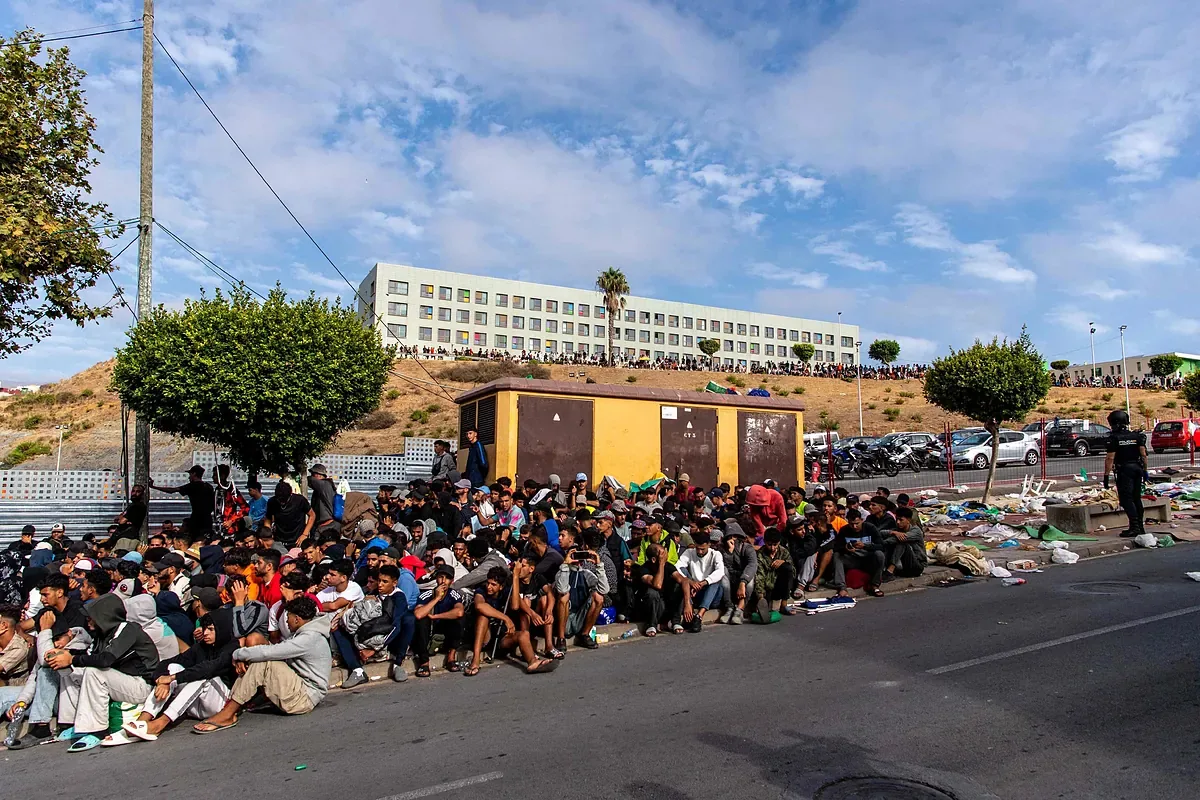
The brief figure puzzled the various sectors working on the ground. It is enough to visit the places where immigrants crowd, from the crowded Colina Colmenar to the shantytown occupying the Trampolín beach, to conclude that the total number is much higher than that mentioned by the president. The police union SUP, for example, raises its estimates to “about 15,000,” of which almost a third would be minors.
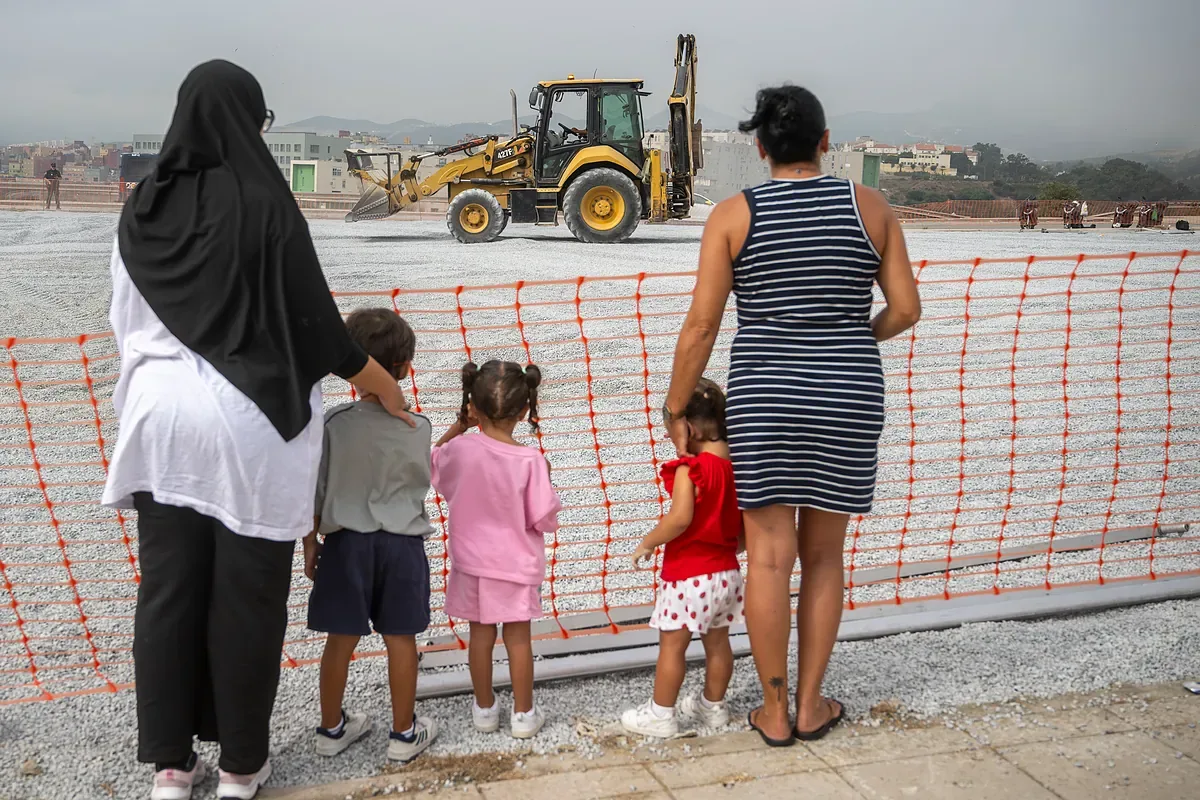
One must go into the detail of the presidential announcement for the figures to begin to match reality. Sources close to the single command, chaired by Minister Ángel Víctor Torres, later specified that those 6,000 places are intended only for the reception of adult immigrants. Furthermore, the decree governing its activity states that this figure is “modifiable” depending on circumstances, so the final number could be higher.
Therefore, the custody of children is an autonomous competence whose data are counted separately, an important nuance that Sánchez omitted during the interview. The Ceuta government already attends to 1,400 minors and is preparing to accommodate another 2,600 if necessary, although they express hope that the final figure will be somewhat lower. Thus, by crossing the data of adults and minors (6,000 and 4,000, respectively), a joint estimate of about 10,000 immigrants remaining in Ceuta would emerge.
This figure matches, for example, the daily food distribution carried out by Red Cross: about 9,000 rations a day, which do not reach all immigrants. It also approaches a more reliable source: the data shared daily by police, military, civil guards, and immigration agents working on the ground. “Our calculations also point to about 10,000 having stayed,” confirms a veteran of immigration services.
In any case, it is an unstable figure due to all kinds of factors. It is difficult to count the more seasoned immigrants, who are hidden in the mountains waiting for an opportunity to jump to the peninsula. It is also not easy to include refugees in apartments, storage rooms, small rooms, and other properties, although there are fewer and fewer due to lack of liquidity.
It must also be taken into account that 207 people have already been expelled from Spain for committing criminal acts of varying severity. In addition, between August 10 and last Sunday, 3,408 people left on their own, either due to exhaustion, demotivation, or lack of resources.
Slowly, a reality that immigrants previously refused to admit is beginning to sink in: that adults of Moroccan origin are condemned to be returned, with hardly any chance of obtaining asylum. However, many more persevere in their adventure and, most likely, will end up crowding the facilities reserved for them.