

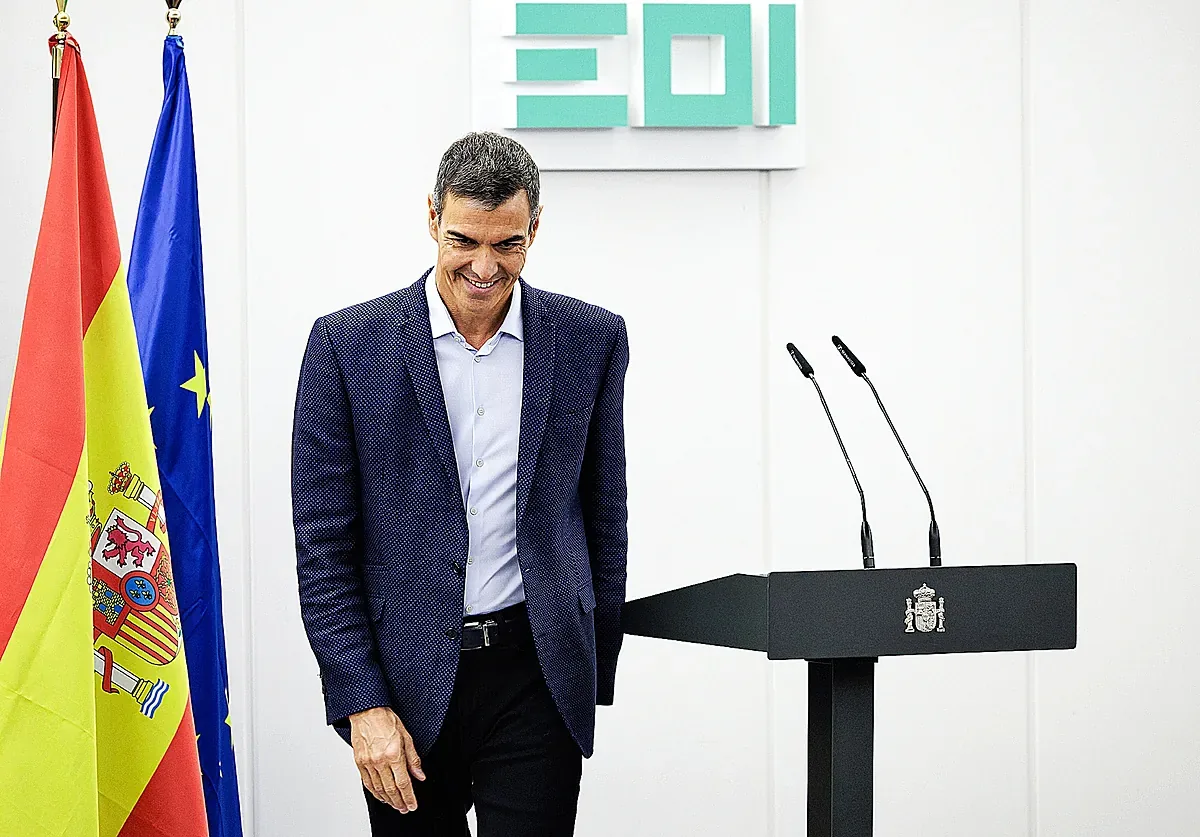
For the first time, the halo has lighting problems. Pedro Sánchez is a Prime Minister who, by force, has gotten used to managing crises – a pandemic, a volcano, a blackout, the effects of wars… -, trying to show initiative, conveying action. But in the Ceuta crisis, there is a widespread feeling in the PSOE, but also among members of the Government, that some of the magic has been broken. That the aura of a “brave” manager or politician with “unexpected twists” has faded.
The consensus among more than a dozen consulted officials is as follows: “the reaction was late” and “it was a mistake” the disappearance and inaction of the Government in the first days of the crisis and the decision of the Prime Minister to stay three weeks in La Mareta and not interrupt his vacation. Added to this is the decision to declassify documents from the Police, Civil Guard, military intelligence, and CNI that were widely interpreted contrary to what La Moncloa expected.
“They show that no one in the Government gave the matter the importance it deserved,” says a senior socialist official with experience in diplomatic relations. “It is La Moncloa that has decided which documents are declassified,” says another person seasoned in Sánchez’s years of Government. These feelings run transversally among socialists, from officials and leaders to senior officials with responsibilities.
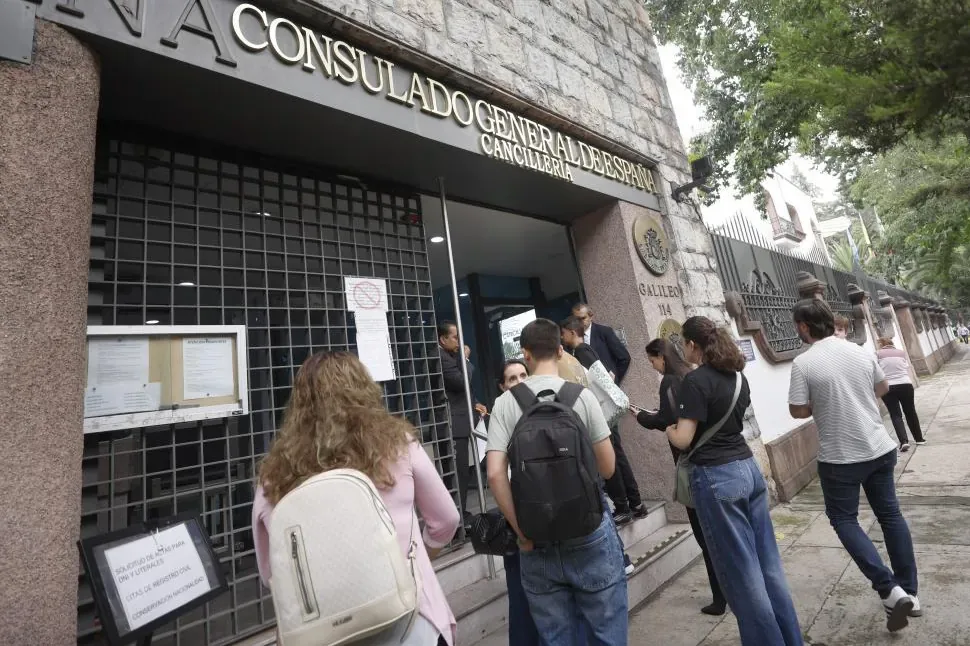
“The management that has been done is not the most appropriate,” confirms a member of the Government. A month and a half after the massive entry of more than 70,000 people, no official figure has yet been offered for immigrants remaining in Ceuta. The Executive expects to have 6,000 places ready this week to accommodate them and is working to reach 10,000. A person who witnessed the massive jump in 2021 recalls that then “the camps were set up much earlier.”
The disappearance of the Executive in the first week and the “delay” in making decisions such as creating the unified command – “There is no explanation for having waited a month,” says another Government member – have created the majority feeling that “we have lost the initiative.” “It is the first time in three and a half years that the PP beats us in the narrative,” conclude various party and Government people. “I don’t see it easy to change the pace, the narrative. It is a crisis we had never experienced,” adds a socialist with years of experience in command rooms. “Moncloa has become obsessed with the narrative. We don’t really know what game they are playing,” opposes a deputy. “There has been a lack of more presence and pedagogy,” points out a prominent member of the socialist leadership. “I understand what people might say or think.”
At La Moncloa, they do not share these views. Their analysis is that they have been the target of a campaign of “manipulations and lies” by the PP and Vox and that this has sown the image of inaction and lack of decisiveness, something they deny. “They don’t care about Ceuta because all they want is to blow up this Government,” says a trusted person of Sánchez.
The spotlight is on Sánchez because it is considered that, as has happened in other crises or critical moments, he is the person responsible for making decisions, their speed, and decisiveness. He is the one who decides, has the last word even though there are people around him with different assigned tasks.
“I am perfectly clear that the president was working in August. He has not been to Ceuta, but he has not given that image. Saying otherwise is demagogy, but we see that narrative is lost. I don’t know if maybe posting a picture every day would have fixed something,” reflects a prominent socialist with a position in Madrid. “I don’t think more public visibility of Sánchez would have improved anything,” says a person who knows him well after years of working alongside him.
“Phew! The management has been…”, says someone who has worked very closely with Sánchez and still has responsibilities. “There is concern and the Government’s own contradictions have not helped at all.”
Just as there is unanimity with “the reaction was late,” there is also unanimity that once the massive entry began, the Executive did what it had to do: that is, allow passage and not undertake actions that could have caused more deaths – so far the official number of immigrants who died by drowning is 141 -. “We did what is expected of a progressive government.”
In the PSOE and the Government, there is division on one issue: whether Sánchez should have called Alberto Núñez Feijóo to inform him, agree on a common position, and even open the way for PP communities to accept minors and adults who arrived in Ceuta. “After all he has done and the opposition he makes, he does not deserve a call,” is one position. “There should have been communication between the Government and the opposition. At least try. And if Feijóo does not agree or come to reason, it gives you an opportunity to change the narrative,” government sources diagnose.
In this scenario, in the last two weeks, there is indeed an image of more activity and action on the ground. And faced with criticism from the opposition and partners, added to the widespread perception of society – conveyed by surveys, not the CIS which has not asked about the Government’s management -, La Moncloa decided that it is time “to go on the attack to defend the Government’s management, what we are doing, and the calm and security that we are doing the right thing.” Trying to counteract. Thus, it was decided that on Monday Óscar López and Óscar Puente, two “alter egos of the president,” would mark, with direct and harsh messages – including criticisms of Vivas – the position, with other more low-profile political ministers like Félix Bolaños or José Manuel Albares, so that Sánchez would finish it off in a new installment of the media tour he stars in, in that need to have presence and give explanations. “It should have been earlier,” some in the PSOE reproach. “We believe that last week Ceuta became very politicized. The PP has been shamelessly using it from day one to defame the Government and to deceive the citizen. We will be heard a lot talking about the management of Ceuta because we believe that is what gives us credibility and guarantees that in the medium term we will be able to tell the citizen that we are that Government that knows how to manage crises, the thing is that this one was of special difficulty and did not allow us to give immediate solutions,” is the view they have at La Moncloa against internal and external doubts and criticisms.
Read more Elche — R. Madrid live