



Few things are more Spanish than the images and rituals left by the summer season in our country: the umbrella firmly stuck in the sand, the aperitif at the beach bar, the tupperware for a day at the beach, the endless after-meals in the shade of a vine, the village festival, or that restorative nap with the sound of cicadas in the background. These are customary scenes that make up the sentimental map of the Spanish summer and that, almost without realizing it, are forever engraved in memory.
Read more What is the bear crawl: this is the exercise that works the whole body without the need for weights
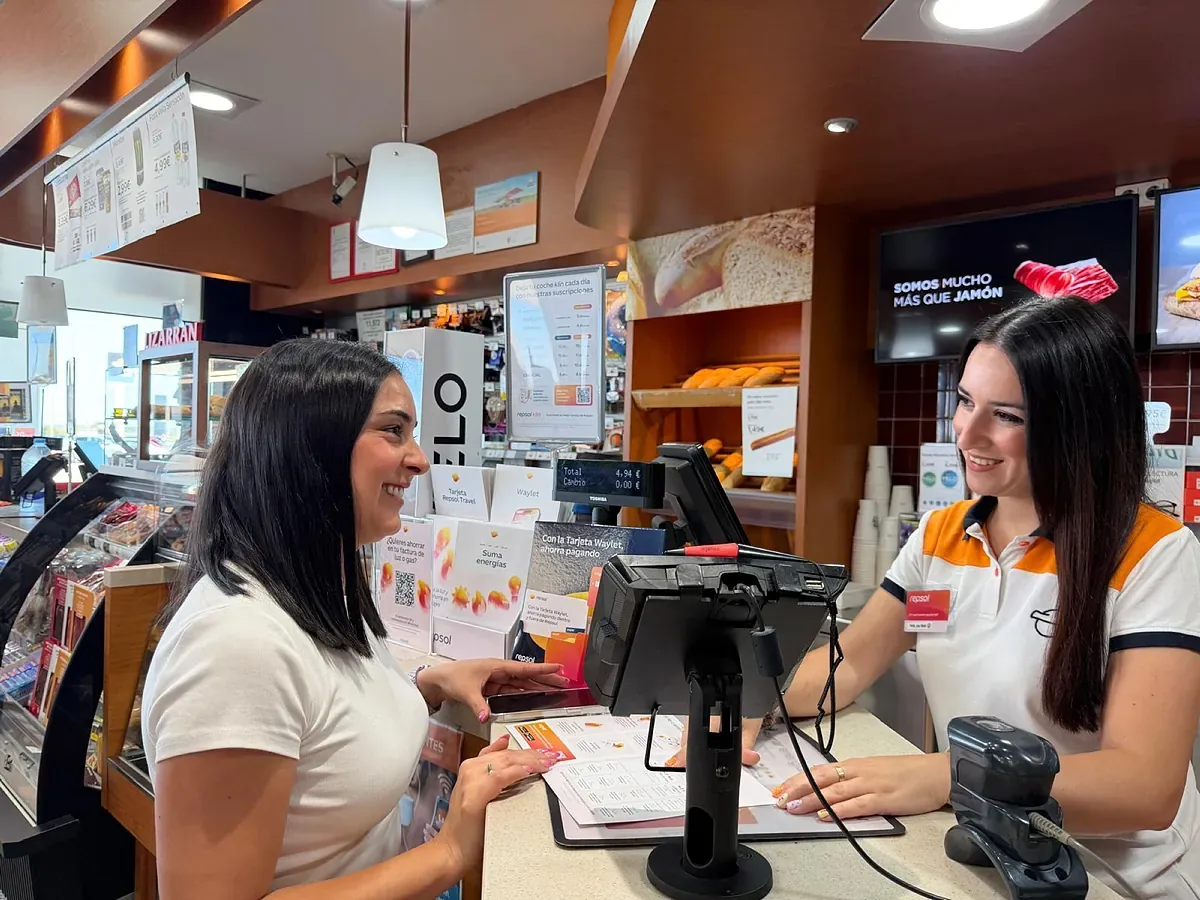
However, before any family or group of friends reaches this longed-for summer scene, there is a common space through which we all pass. On the roadside, Repsol service stations become the prologue and epilogue of the holidays: the place where young and old make the first stop of the trip, release the fatigue of the year, and begin to build memories of another summer.
And something has changed in our way of traveling. Road trips are no longer conceived as a mere formality between origin and destination. Service stations have left behind their old purely functional role, where the only goal was to refuel quickly to optimize time as much as possible. Now, these places have become spaces for socializing and rest carefully designed to make things easier for travelers and literally improve the hours of travel still ahead.
Much more than refueling: the new life of service areas
“For most of the year, road trips usually correspond to work trips or daily routines, but when summer arrives everything changes. People travel with family, more calmly, and seeking the rest they have long awaited,” reflects Silvia Miguel García, manager of a Repsol service station in Cabrera de Mar (Barcelona). For her and her team, during the summer season their workplace becomes something very specific: “We are the oasis they find in the middle of the road until they reach their destination.”
In that ‘oasis’, the needs of families are as diverse as the destinations they are heading to. Silvia recalls that very often, the difference between a stressful journey and a pleasant trip lies in the smallest details: “Family trips leave a mark. We are also here so that those children or babies have their needs met: from warming a bottle or baby food to offering a comfortable space. A child’s rest is, in the end, the peace and happiness of the parents behind the wheel.”
The search for comfort and tranquility has led networks like Repsol to diversify their offer, adapting their more than 3,300 stations throughout Spain towards a multi-product and multi-service model. Those who stop at a roadside station have the opportunity to satisfy multiple needs in a single stop: have a coffee from Starbucks or Nespresso, buy freshly baked bread at Levaduramadre, stock up at Supercor Stop&Go (in partnership with El Corte Inglés), or fill their stomach thanks to the gastronomic offer from brands like Enrique Tomás or Lizarran.
An information point for tourists
Those who manage these facilities in coastal areas see how the months of July and August come with a very characteristic human landscape. “In summer we receive many families in motorhomes and a large volume of foreign tourists — Italians, English, French… — who travel along the coast,” explains María del Carmen Montiel García, manager of a service station in Vilassar de Dalt.
Read more Summer colds and sore throats, is the air conditioning always to blame?
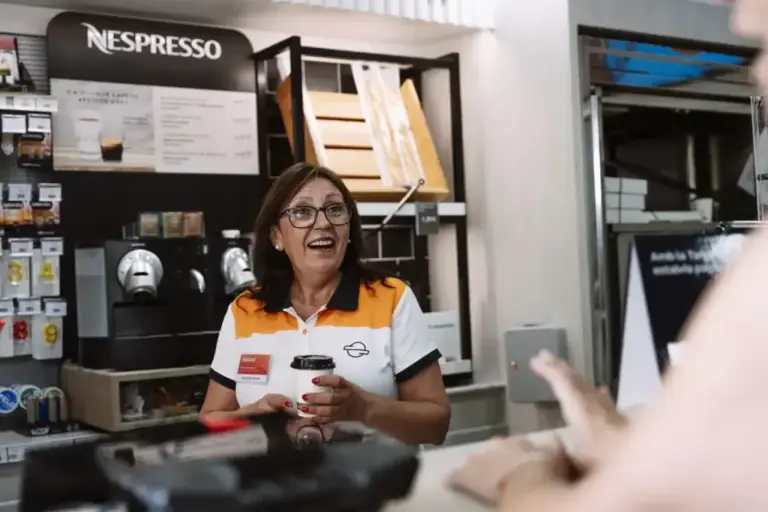
In that constant hustle of national and international license plates, the station staff end up assuming a new role: that of a tourist office. “In the end, we have become a reference for information,” says María del Carmen. “They ask us for the best places to eat, the fastest way to get to a specific beach, or where to find a workshop if they have a problem. For us, it is gratifying to see how grateful people are when they leave.”
Technology and human attention: the formula for convenience
The evolution of service stations advances at the same pace as the new demands for sustainable mobility and digitalization. In a single space, it is possible to refuel traditional fuels, charge an electric vehicle, or have 100% renewable solutions. Added to this are innovations aimed at optimizing time, such as the Repsol Klin washing system, which can be activated directly from the Waylet app without the need for tokens or coins; or the possibility to pick up and return packages at points from operators like Amazon and InPost.
On-the-go shopping has also evolved towards immediacy. “In these weeks, portable coolers and beach pareos sell quite well,” adds Carolina de Gea Clos, manager of a station in Mataró: “Customers appreciate finding quality solutions to solve an unexpected need without having to deviate from their route.”
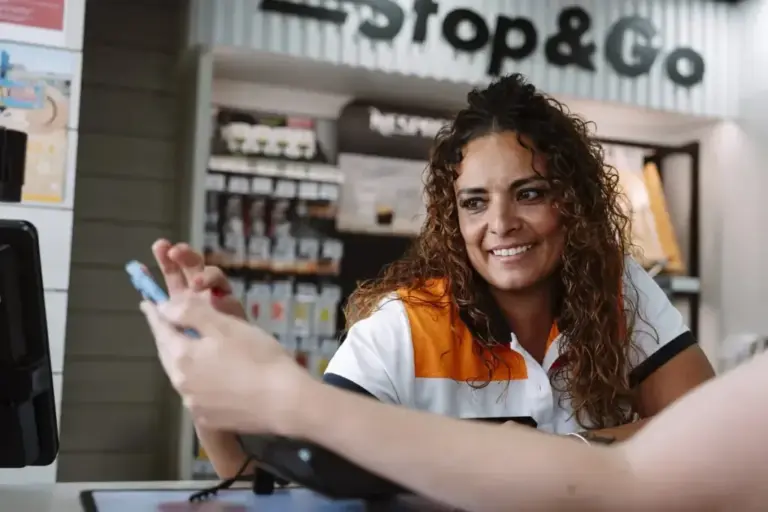
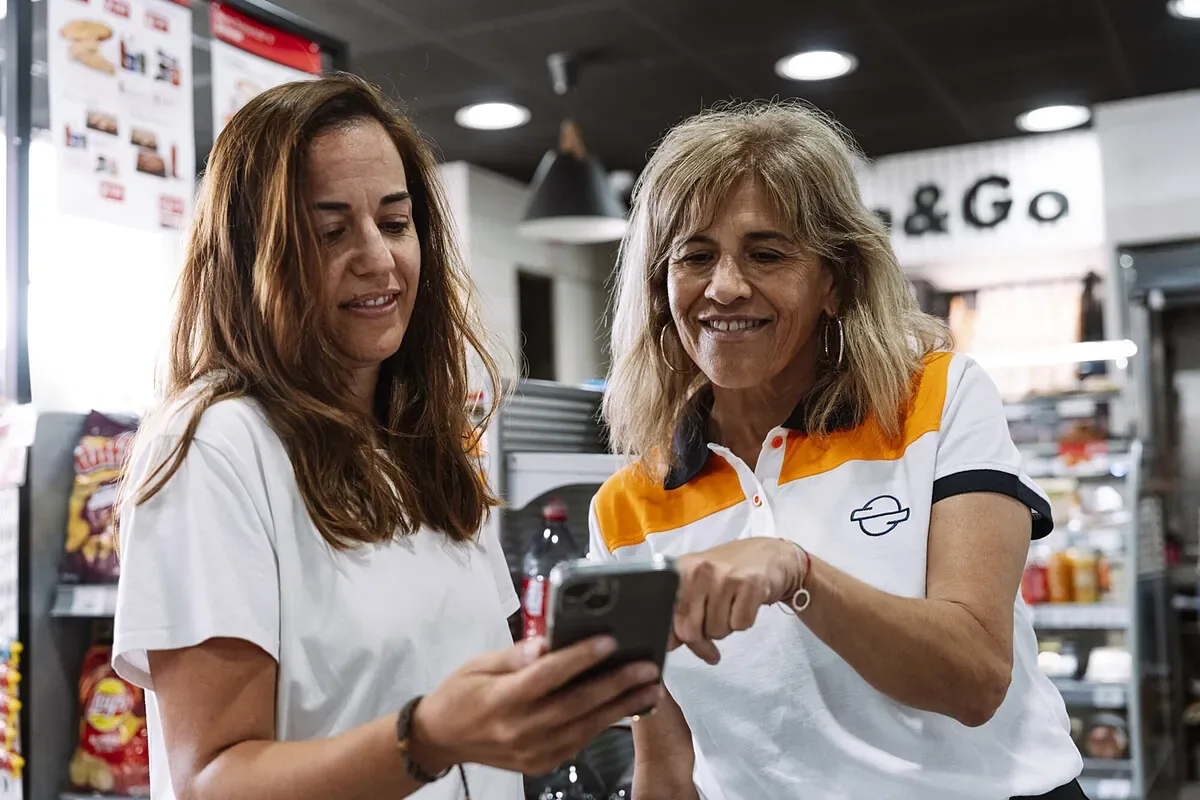
However, despite technological advances, there is one element that continues to make a difference: human treatment. This is highlighted by the managers of these centers, who agree in pointing out closeness as the main factor to build customer loyalty. “Having options to clean the car, have a good coffee, or do last-minute shopping is essential, but the kindness of the staff is what makes the difference,” assures Carolina. “Many elderly people come directly with the Waylet app on their phone screen so we can help them. For us, it is no effort at all, and the customer resumes their journey much calmer and more satisfied.”
During the busiest months on the roads, service stations reflect the pulse of the country and consolidate themselves as essential stopping points for millions of travelers. In the end, a trip is not only measured in kilometers but also in the quality of the breaks. Taking a break to regain strength, have a coffee, handle some errands, or simply enjoy close attention can make a difference before getting back on the road. Because in summer travel, the journey is also part of the destination.
This text has been developed by UE Studio, the creative branded content and content marketing firm of Unidad Editorial, for REPSOL
Read more Ceuta cries out «Enough already» and demands answers from Spain and Europe