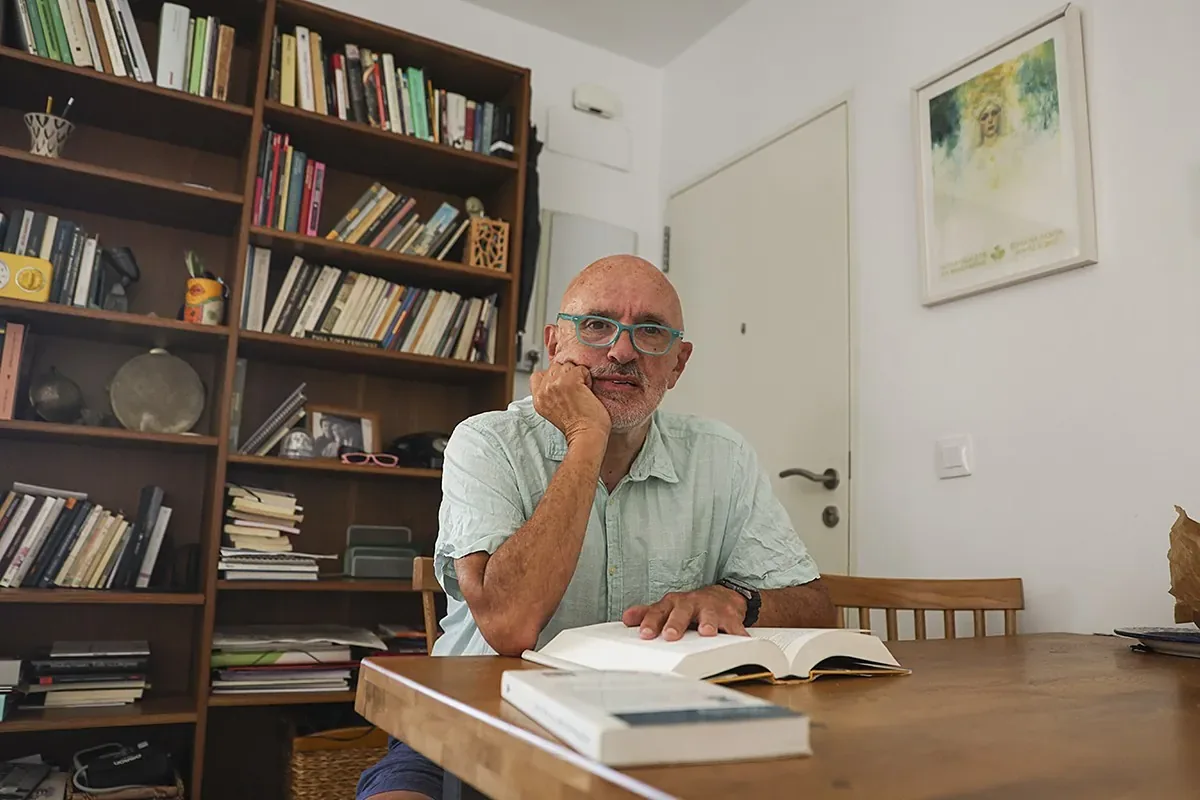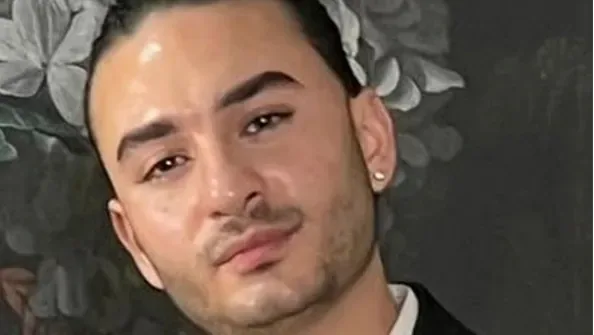





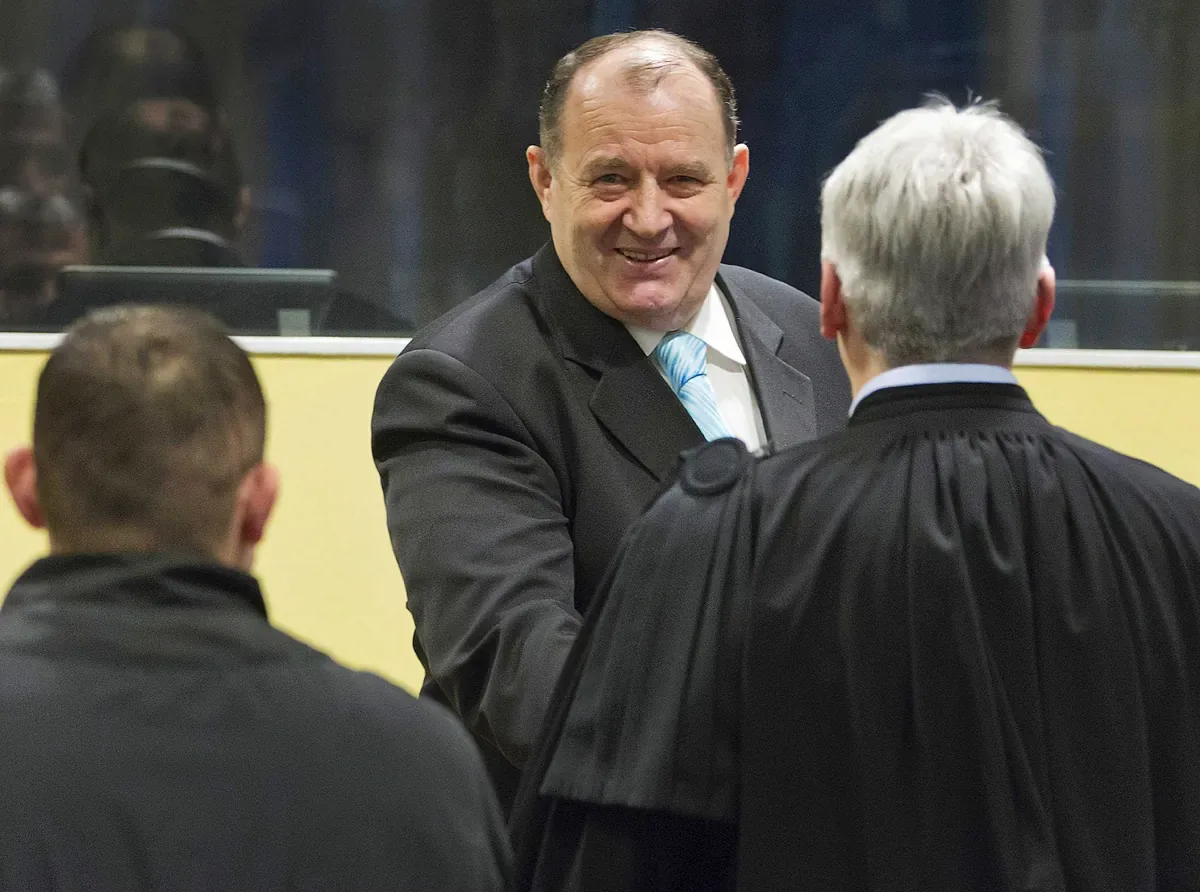
In the prison that has housed the great Balkan genocidaires of the 20th century, only one man remains. Mico Stanisic, 72 years old, Interior Minister in 1992 of the Republika Srpska Serb-Bosnian entity, is the last ‘client’ of the “Hilton of The Hague”. This is the popular name for the United Nations Detention Unit, the facility the UN conceived in the 1990s to hold those accused by the International Criminal Tribunal for the former Yugoslavia awaiting trial or transfer.
Read more United States strikes Iranian targets again after attacks on its ships
Serbian President Slobodan Milosevic died there in March 2006. The Bosniak-Croat Slobodan Praljak prepared his suicide there in 2017, when he drank a cyanide shot as the court confirmed his 20-year sentence for war crimes. The Serb-Bosnian leader Radovan Karadzic passed through there before his transfer to the United Kingdom, where he continues serving his sentence in an island prison off the coast of Portsmouth. And last Thursday Ratko Mladic, the Butcher of the Balkans responsible for the genocide in Srebrenica, died there; he arrived in The Hague in 2011 after living for years free and in hiding in Serbia, where he is now being mourned as a hero.
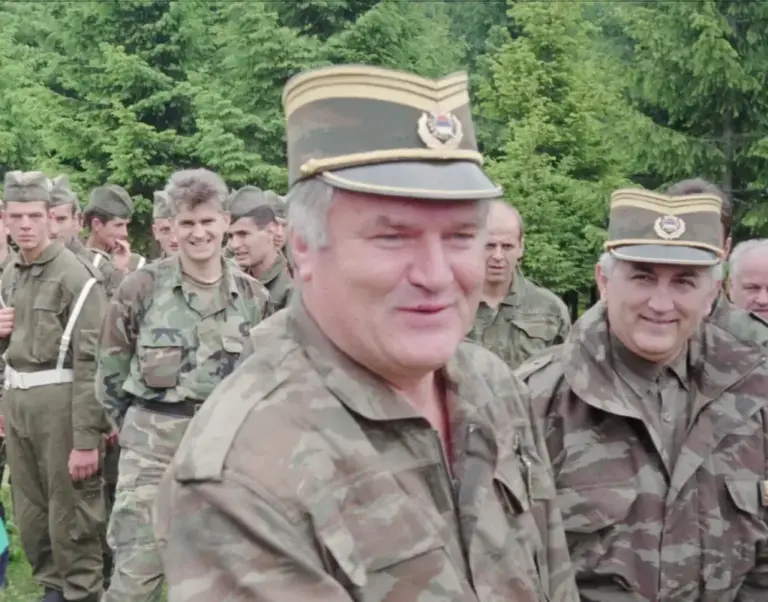
Mladic dies, the Butcher of the Balkans, convicted for the Srebrenica massacre: “The graves remain and every Hague verdict still stands”
- Editorial: VIRGINIA HERNÁNDEZ
The UNDU (officially named the prison by its English acronym: United Nations Detention Unit) has been the world’s great VIP prison for 30 years. And from its secretive walls, movie-like stories have escaped, of generals who were mortal enemies during the Balkan War but spent their days living in peace. Ante Gotovina, a Croatian general tried for the massacre of 150 Serbs in Krajina – arrested in Tenerife in 2005, convicted in 2011, and later acquitted in 2012 – was for years the undisputed king of the tennis court. Mladic, now deceased, excelled at chess.
Of the 52 rooms in the facility, only Stanisic’s remains occupied, sentenced in 2013 to 22 years in prison for his role as police chief of Republika Srpska in massacres of Bosniaks in the municipalities of Kljuc, Kotos Varos, Prijedor, Visegrad, Vlasenica, Banja Luka, Donji Vakuf, Sanski Most, Skender Vakuf, Teslic, Bileca, Brcko, Bosanski Samac, Pale, Zvornik, Gacko, Kljuc, Doboj, Ilijas, and Vogosca.
“He knew or had reason to know that crimes of extermination and murder were going to be committed or had already been committed by his subordinates, and he consciously and intentionally did not take reasonable and necessary measures to prevent it or to punish the perpetrators,” details the case for which he was convicted.
Despite this, he is one of the most anonymous figures among the 161 prosecuted by the International Criminal Tribunal for the former Yugoslavia from 1993 until its dissolution on December 31, 2017.
FÉLICIEN KABUGA, A ‘DEMENTED’ RWANDAN AMONG BALKAN CRIMINALS
Stanisic served part of his sentence in Poland and was transferred to The Hague during Christmas 2024. By then, only what is known as the Residual Mechanism remained of the ICTY. And the UNDU has become a kind of limbo for convicts that no country wants to take.
When Mico Stanisic arrived there, four men were living in their individual cells: himself, Ratko Mladic, Jovica Stanisic (Milosevic’s right-hand man and Serbian intelligence chief in the 1990s), and a strange ‘guest’, Félicien Kabuga, the Rwandan billionaire founder of the Radio Télévision Libre des Mille Collines which incited extermination against the Tutsis. After years on the run internationally, he was arrested in Paris but was never tried due to dementia and remained in The Hague, surrounded by Balkan war criminals, because his transfer anywhere was considered unsafe.
Jovica Stanisic was transferred in summer 2025 to Germany. And The Hague prison was left with only Mladic, Kabuga, and Mico. “Mr. Mladic and Mr. Stanisic are awaiting transfer to one or more States to serve the remainder of their respective sentences. Mr. Kabuga remains housed in the unit, pending identification of a country for his provisional release. Identifying and securing States of reception for the two convicts is a priority for this Mechanism, and active negotiations are ongoing for this purpose. The Mechanism also supports the efforts of Mr. Kabuga’s defense team to locate a destination for him,” detailed an official United Nations report in July last year.
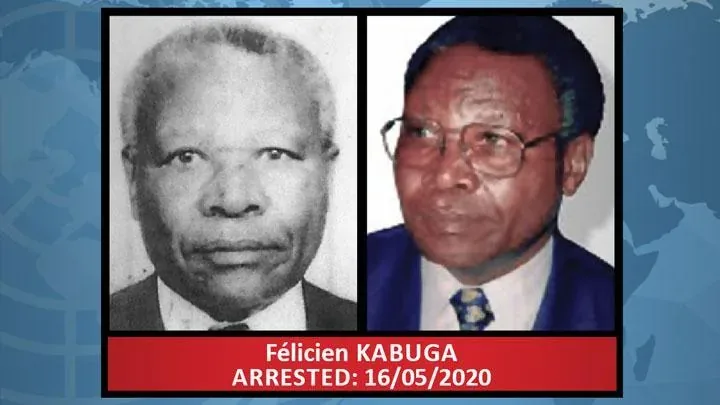
Félicien Kabuga dies, accused of encouraging and financing the genocide of the Tutsis in Rwanda in 1994
- Editorial: REUTERS
Kabuga finally died this May, at 93 years old, without finding a destination. Mladic did so in August at 84 years old. And loneliness has fallen over Stanisic, whom no one wants to take responsibility for either. A year ago, his lawyers requested his release arguing that he had already served much of his sentence and did not pose a criminal risk because his behavior in the Polish prison had been excellent. Seven victims’ associations rejected the request.
“There are no changes in his situation, he remains in the detention unit,” confirms to EL MUNDO Murat Tahirovic, president of the Association of Victims and Witnesses of Genocide, one of those who argued against it. The tennis court, basketball courts, chess boards, gym, and the 52 individual 15-square-meter cells… all for him, the last tenant of the “Hilton”.
The first was another Serb-Bosnian, Dusko Tadic, who ran a café in the village of Kozarac until the outbreak of war. Having become a local political leader, he was convicted, among other things, for making a Bosniak prisoner from the Omarska camp bite another’s testicles in his presence. He was the pioneer to step into the UN prison and stayed there until 2000, before being transferred to Germany and finally released in 2008.