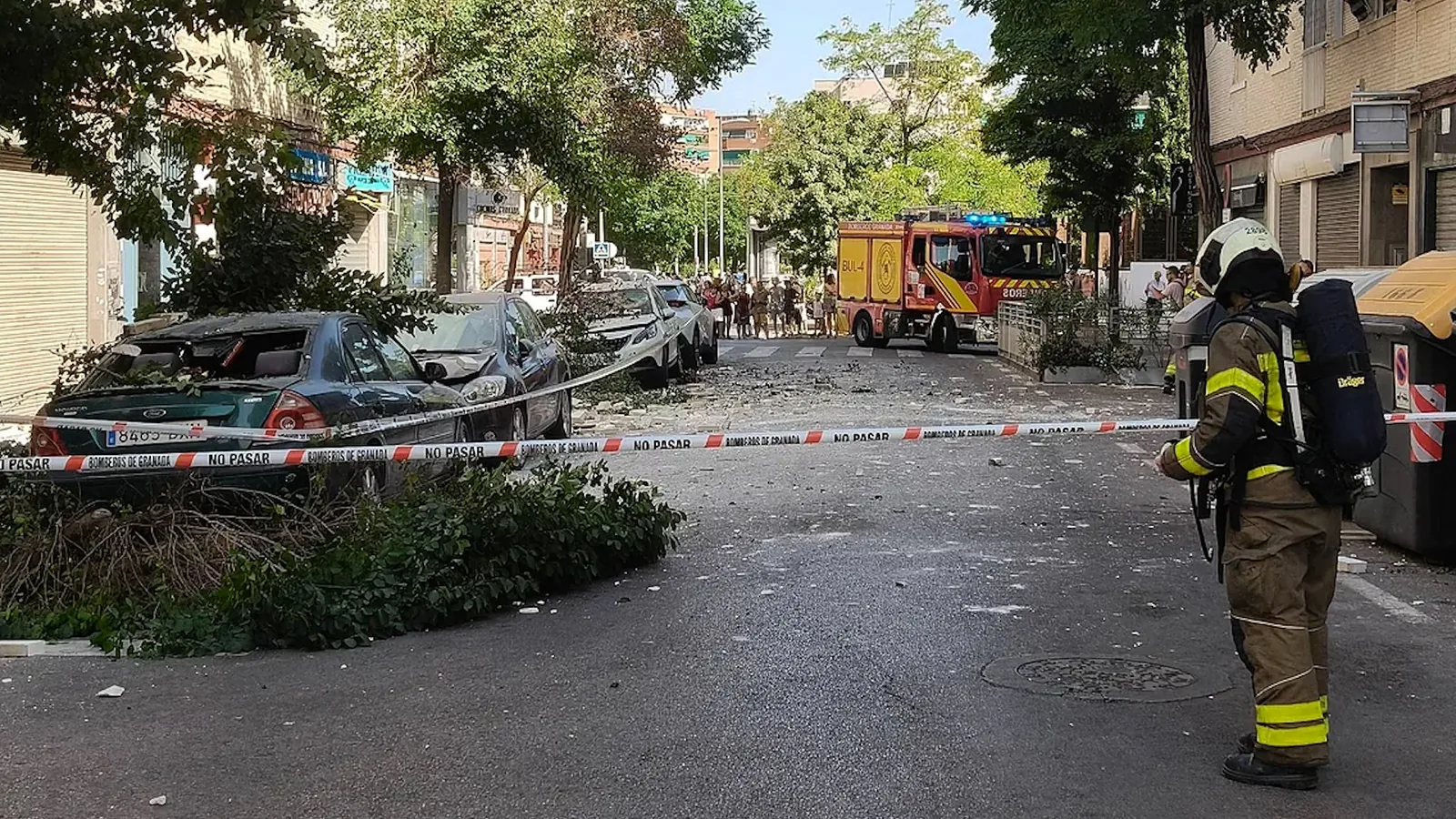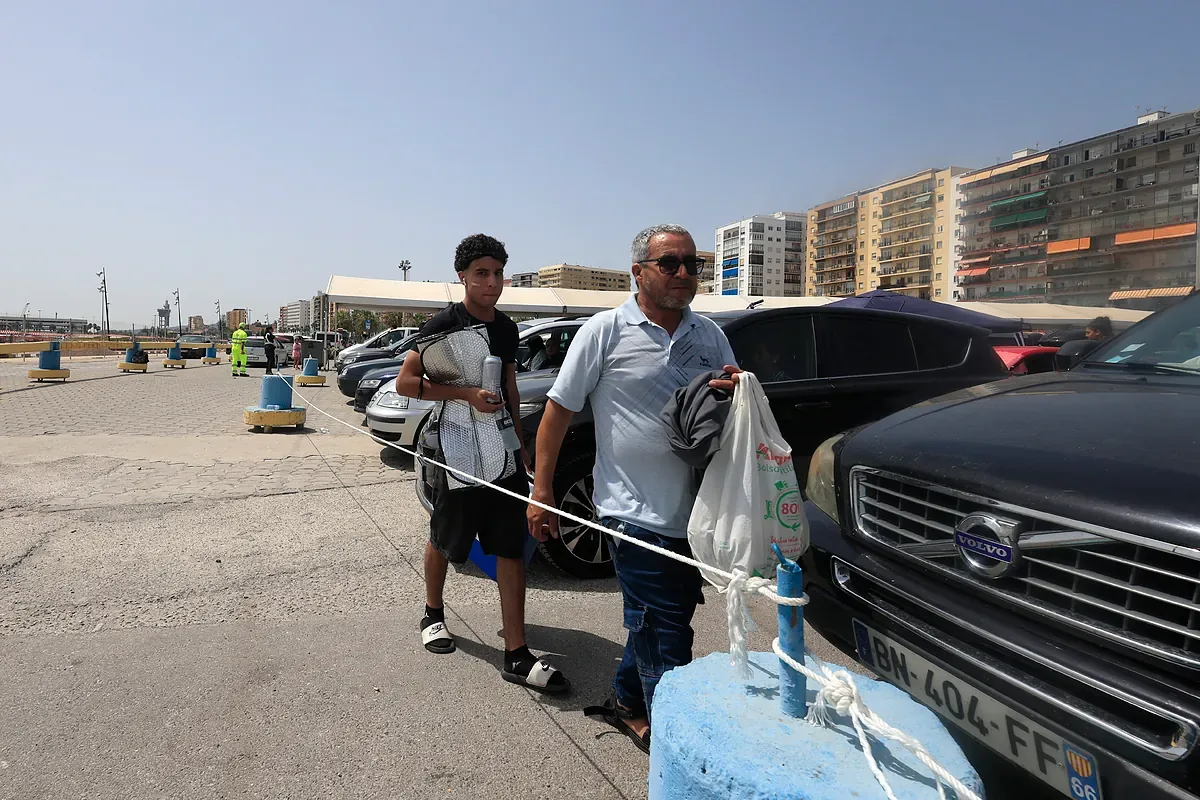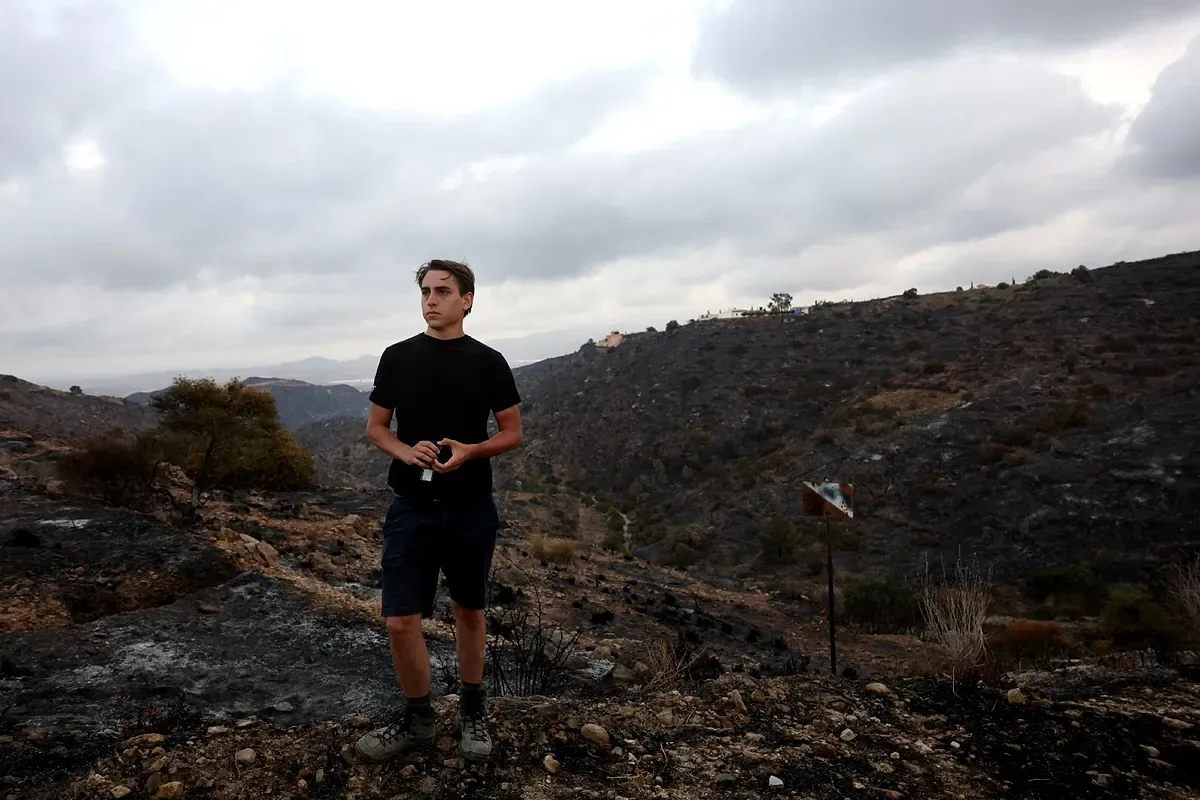





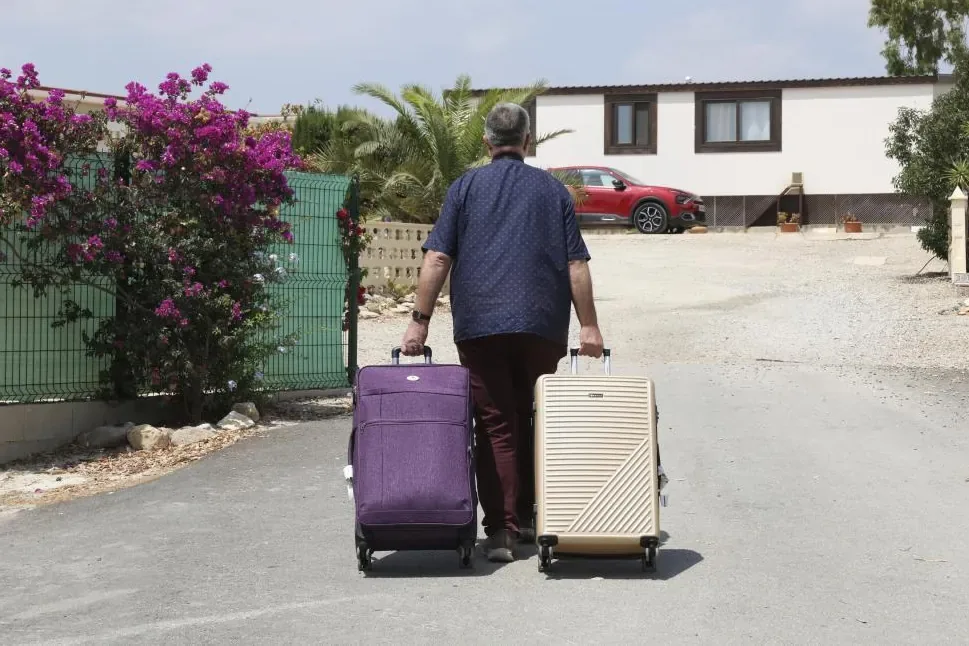
Last night, the first evacuated people returned to their homes, and this morning the residents of Los Castaños, Almocaízar (ground zero of the fire), Alfaix, and the campsite of Los Gallardos (Almería) were able to do so. The remnants of a fire that, although controlled, is not yet extinguished, can still be seen on their faces and in the stories—many told with a choked voice.
In many of these areas, such as the Alfaix district, although the infrastructure has not been severely affected thanks to the road acting as a natural firebreak and the controlled burns by firefighters, the supply of drinking water is failing.
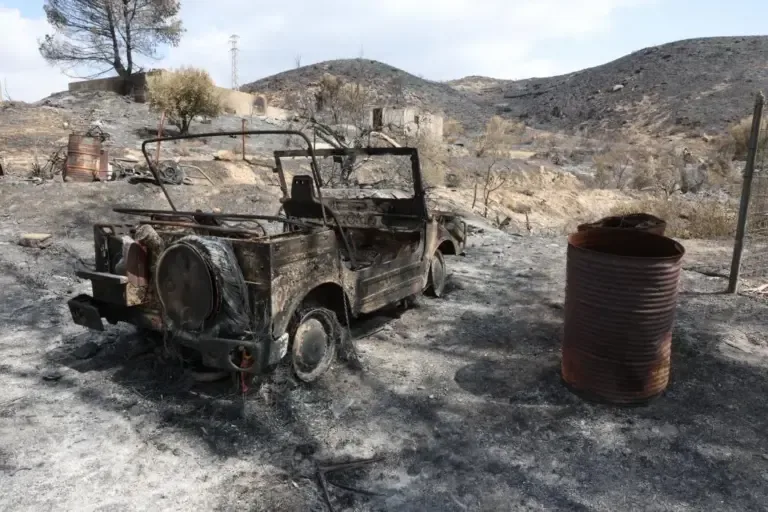
There, two ways of facing the same disaster coexist. In the white stone villages, where many foreigners live, it is still hard to look away from the mountain. A few meters away, in the bar La Venta, some neighbors gather after ten in the morning. They order coffee and beers, discuss what happened, exchange news, and ease the tension with jokes. After all, the town does what it does best, which is to come together again.
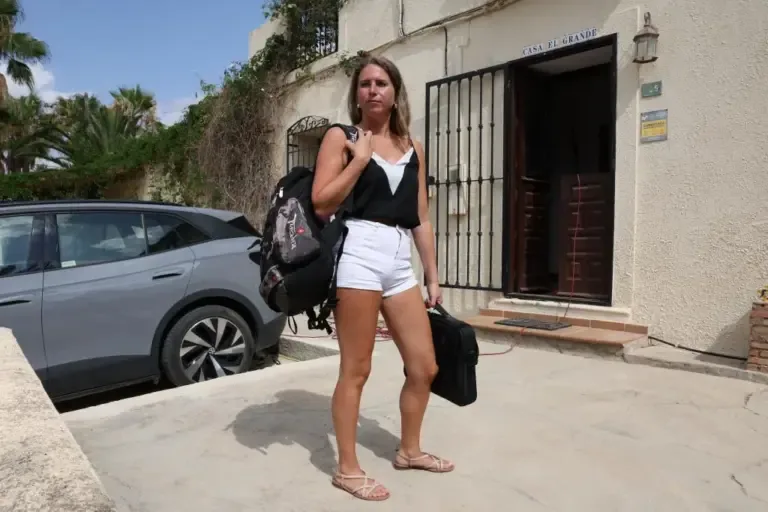
Lore, Belgian, cannot forget the image of the fire approaching her parents’ house, who have lived in the area for five years. “The problem here was possibly that the fire was not visible from the mountain,” says Lore. From the window, she only saw columns of smoke, so she decided to use a drone to get a bird’s-eye view of what was happening. “My parents were returning from a trip from Seville,” she says, “they saw the smoke far away, they didn’t think it could reach here, but you always have doubts.” When images of the fire began circulating through media in different countries, other Belgian compatriots with homes on the coast offered them refuge. “We are aware that we were not the most affected,” she says, “but this has been a disaster that one never imagines could happen to them, and we have been lucky.”
The words ‘luck’ and ‘probability’ appear again and again in conversations. Luck, for some, because the wind changed. Luck because the road stopped the advance. Luck because the fire did not jump a few more meters. Luck because the house is still standing.
At the Los Gallardos campsite, where evacuees have also returned, stories overlap. Accents and memories change, but all describe Thursday afternoon with similar images where a sun, turned into a “ball of fire,” and a sky darkened by a thick cloud that seemed to swallow everything, are the protagonists.
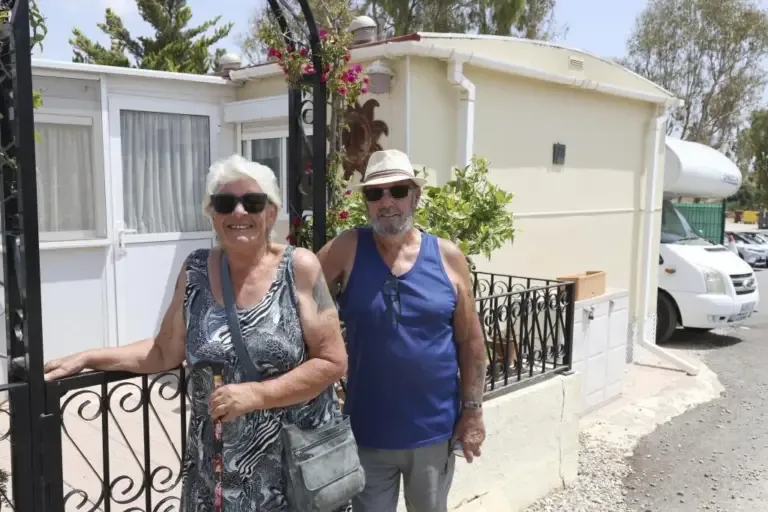
For Victoria and Peter, a couple from Essex (England), the authorities have been “very good” and “polite.” “They told us we had to evacuate quickly,” says Peter. “But despite the urgency, they cared about us and especially about me,” adds Victoria, “you see how I am.” This elderly woman, who suffers from cognitive decline as her husband points out, needs the help of a cane to walk. “Everyone who saw me wanted to hold my arms and help me get out faster,” she notes. This couple is an example of the hundreds of foreigners with permanent residence—they have been settled in a prefabricated house at this campsite for eight years—who have now discovered that the landscape that once attracted them can also become, in a matter of hours, a threat.
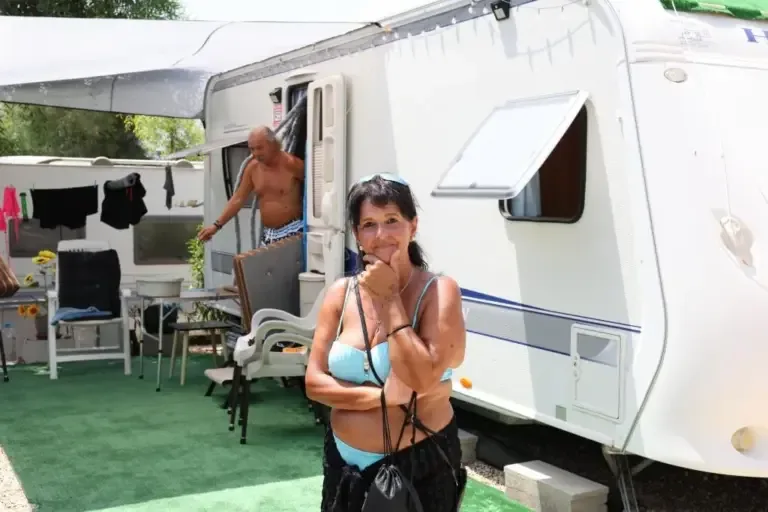
A little further on, in the camper area, the Asturian Nati is exchanging opinions with other neighbors. “I don’t understand why they say things were done well,” she says, still nervous, “the Civil Guard arrived here telling us to evacuate but didn’t tell us where to go.” It is believed that many people who died and others still missing in other towns may have been trapped by the fire due to the lack of clear information on where to go. “What use are words now and ‘I’m sorry’ if there are twelve dead people?” her voice breaks there, “I just want to go home to Asturias and, unfortunately, fires will happen again in other parts of Spain.”