






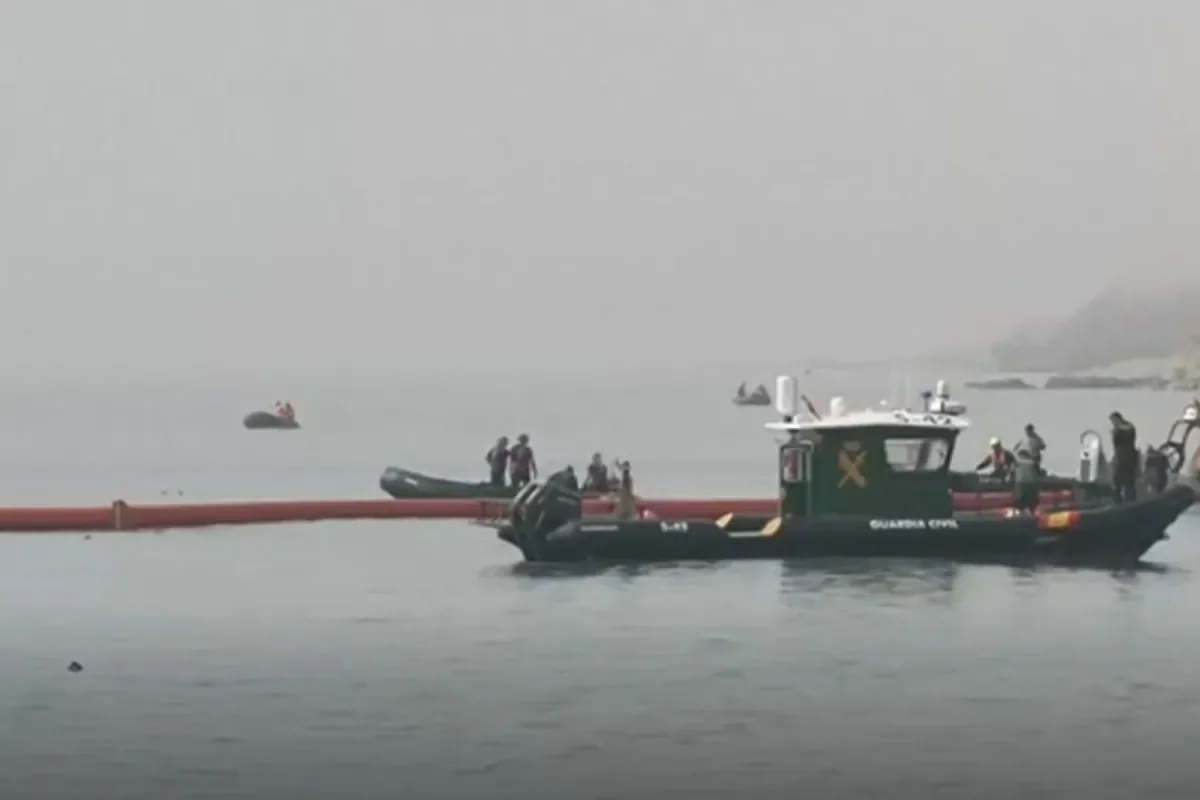
The installation of barriers on the Ceuta breakwater began this Saturday at 7:50 a.m., almost two years after the ruling of the autonomous city’s administrative court established that it was not possible to apply hot returns to those intercepted swimming to the Spanish coast. The Government has made this decision after 50,000 people crossed the border by sea between Wednesday and Thursday.
The “temporary” solution to this migration crisis, as defined by Pedro Sánchez, was proposed by the Supreme Court itself in the ratification of the ruling that confirms the exclusion of cases in which the rejection of foreigners is foreseen to “prevent their illegal entry” for those who arrive without “overcoming containment elements.” Although it was notified last July 8 and since then there had been a “surge” in entries, the central government has only acted after the “avalanche” occurred.
The main element of the protection structure is an inflatable barrier of 500 meters in length, with a surface height of 30 to 70 centimeters and a submerged part up to one meter deep. This protection has been installed by the Maritime Rescue and Safety Society (Sasemar) and is combined with a first line of moored buoys provided by the Navy.
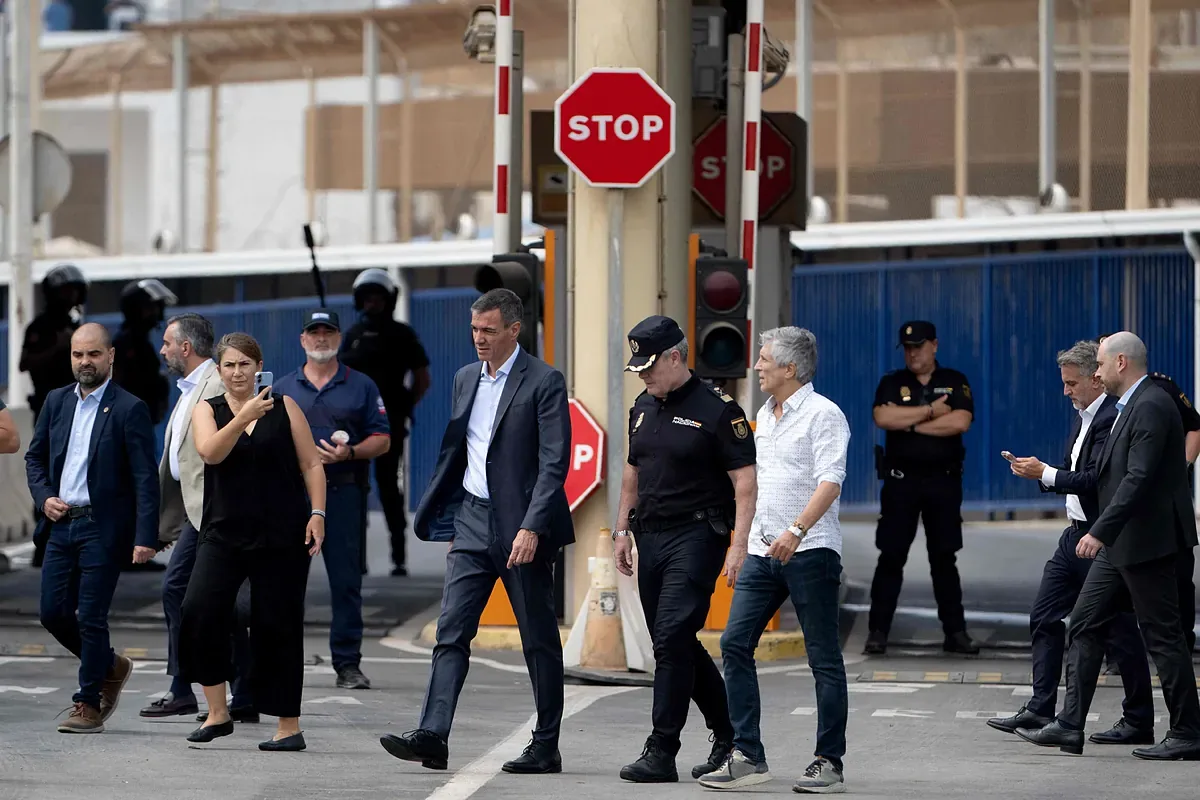
Of the approximately 50,000 people who, according to the Government’s initial estimate, have irregularly crossed the maritime border of Ceuta this week, more than 48,000, “that is, practically all,” have been returned to Morocco in less than 48 hours, according to official sources. However, the Interior Minister, Fernando Grande-Marlaska, in statements to the media this Saturday from the autonomous city, pointed out the possibility that the total number may have reached 60,000 entries.
In that appearance, Marlaska again praised “the determined and permanent collaboration with the Moroccan authorities.”
Read more «A Morocco got out of hand»: the first analyses on the Ceuta avalanche point to Rabat