





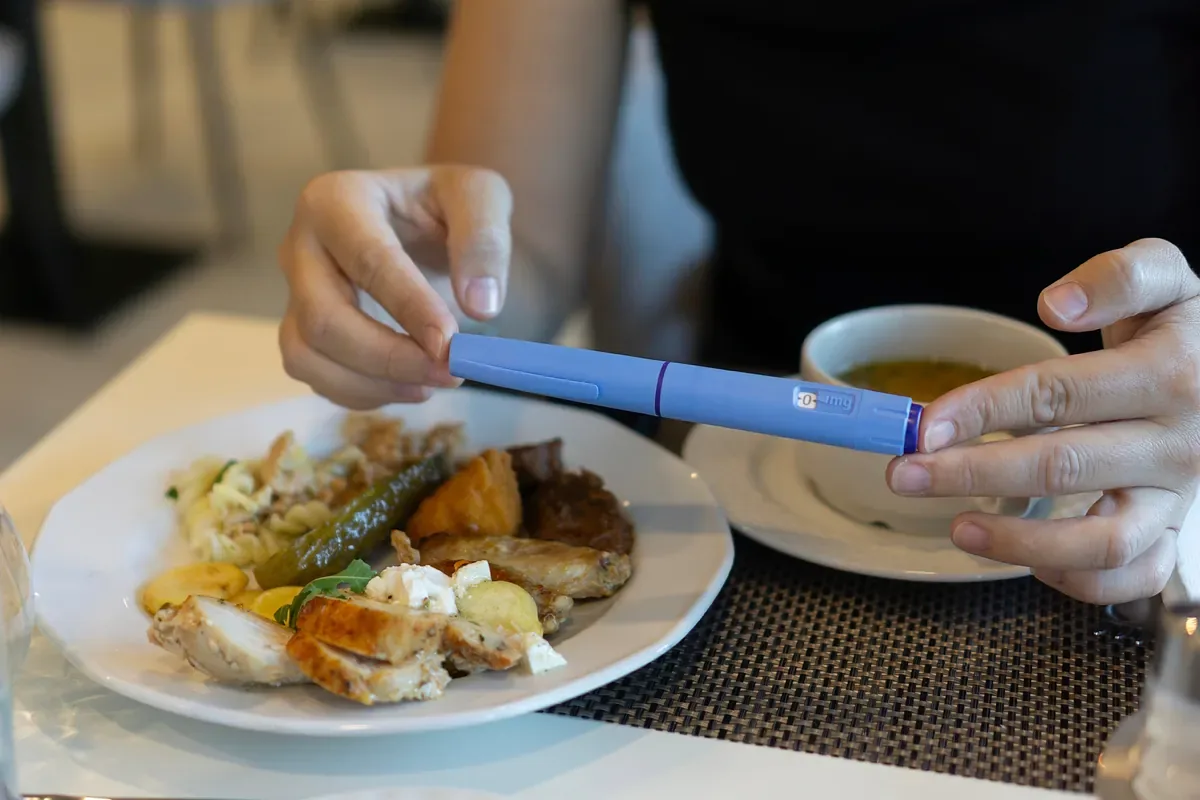
The massive and almost popular use of GLP-1 receptor analog drugs, or rather, the famous Ozempic and company, has exceeded the margins of usual medical practice. What began as a promising therapeutic tool against diabetes and obesity has transformed into a global social, economic, and media earthquake. However, after the initial optimism, serious warnings about their undesired consequences emerge.
Read more ChatGPT, Claude, and Gemini restore their services after a global outage that lasted several hours
An editorial published yesterday in the prestigious journal Science, signed by Luc L. Hagenaars and Laura A. Schmidt, analyzes how the commercial interests of the pharmaceutical, food, and ‘wellness‘ industries threaten to distort the true impact of these drugs and increase health inequality. On social media and the internet, GLP diets, GLP supplements, and foods compatible with these drugs are already proliferating.
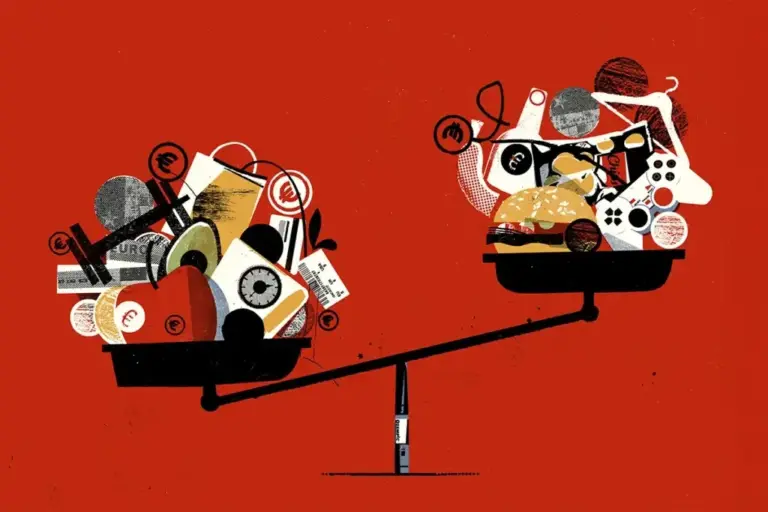
The ‘Ozempic effect’, this is the silent revolution of the global economy
- Writing: PILAR PÉREZ (Text)
- Writing: CINTA FOSCH (Illustrations.)Madrid
And this represents a strong contrast with the medical community’s plan: the World Health Organization (WHO) and experts emphasize that the solution to obesity is not purely pharmacological, but requires medical support, healthy habits, and preventive measures. “To ensure that GLP-1s reduce, rather than worsen, health inequities, governments and healthcare leaders must set limits on the commercial forces jumping on the GLP-1 bandwagon,” write Hagenaars and Schmidt.
Why the food industry and pharmaceutical companies threaten the impact of Ozempic
In theory, the arrival of GLP-1s offered the opportunity to destigmatize obesity, note the article’s authors. By demonstrating that cravings respond to biochemical mechanisms and curbing the “mental noise of ultra-processed foods,” the scientific debate shifted blame from individual “lack of willpower” to a sick food environment prone to triggering obesity. Furthermore, it opened the way to equate the regulation of hyperpalatable food (ultra-processed) with that of tobacco or alcohol.
However, the authors regret that a lifestyle based on GLP-1s is being established. Since patients or users of these drugs radically change their shopping lists, the food industry counters the consumption drop by reducing portions without lowering prices (“shrinkflation,” the authors call it), making products more addictive, or promoting ultra-processed foods as “functional foods for a GLP-1 lifestyle.”
Added to this is the rise of telemedicine platforms like Amazon or WeightWatchers with “same-day delivery” at prices unreachable for most, and the proliferation of unauthorized generics with serious safety risks. “There is concern about the proliferation of unapproved versions, counterfeit copies, and misleading advertising, as well as the food industry’s readjustment to maintain consumption,” emphasizes endocrinologist Cristóbal Morales, involved in most clinical trials of these drugs in our country.
This expert delves into how the food industry – “as a great lobby that it is” – reinvents itself and “can be dangerous because it is doing rebranding of functional foods, adapting smaller portions or reformulating products to increase palatability; in the end, what is sought is that we remain connected to this food.”
As spokesperson for the Spanish Obesity Society, Morales focuses on the “undesired consequences: the trivialization of the disease and the obstruction of equitable and fair access to these medications.” Therefore, Hagenaars and Schmidt emphasize that “with the new guidelines in force and their recent experience with COVID-19 in managing tensions between public health interests and commercial interests, the WHO could play a key role in this critical juncture.”
The consequences of the massive use of GLP-1s: between medicalization and the social gap
This analysis coincides with the publication of the first global WHO guidelines on GLP-1s. The international body advocates ensuring equitable access to these treatments for nearly 1 billion people affected worldwide, emphasizing that they must be accompanied by bold reforms in food environments to tackle the structural causes of the epidemic.
Morales warns that in what is already considered the “Ozempic era” there is an increasingly frequent temptation “to rely entirely on the GLP-1 card (due to its effectiveness), but this would be a wrong approach: it would be treating the biological-metabolic dysfunction while forgetting that the person lives in an obesogenic environment and we must act on these environmental causes that produce it from childhood.” The endocrinologist also recalls that “the WHO has spoken significantly on this and has insisted that these are essential drugs for humanity, but it demands responsible medical use and improved accessibility.”
The scientific community fears moving from awareness to using the Ozempic family, the GLP-1s, “as a vaccine against modern (unhealthy) life. Without acting on modifying and maintaining healthy habits and without addressing the environmental and hydrosocial causes that cause obesity, we condemn ourselves to a short-term success that is not sustained,” concludes Morales.