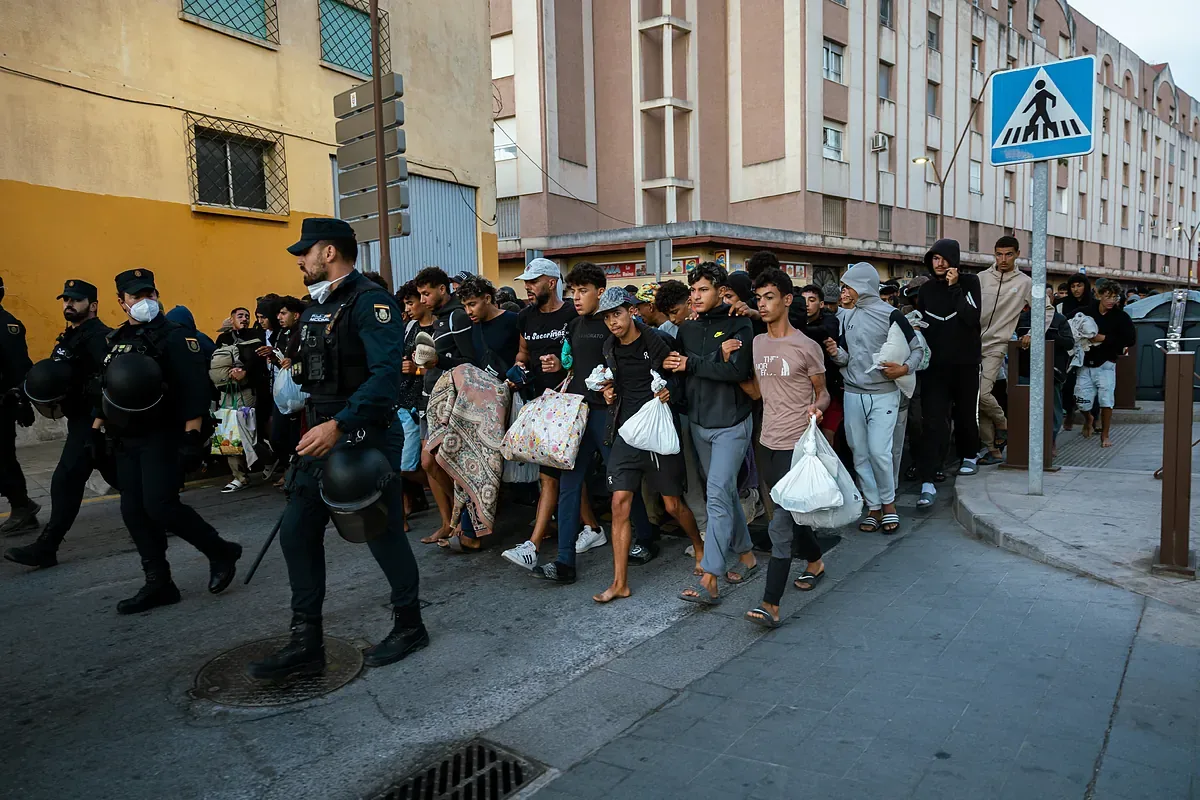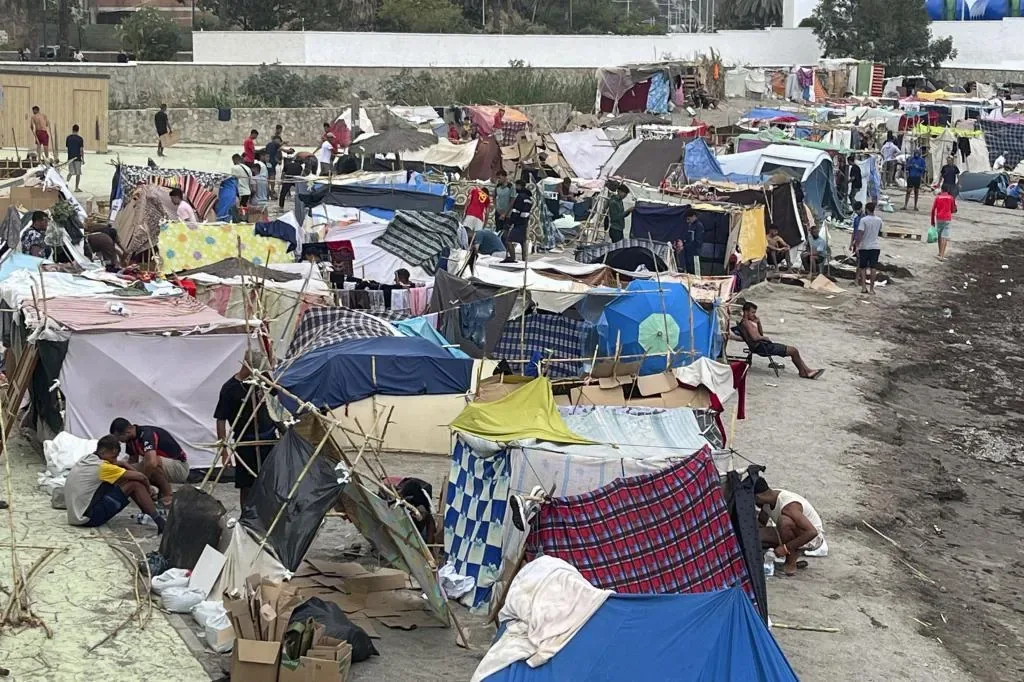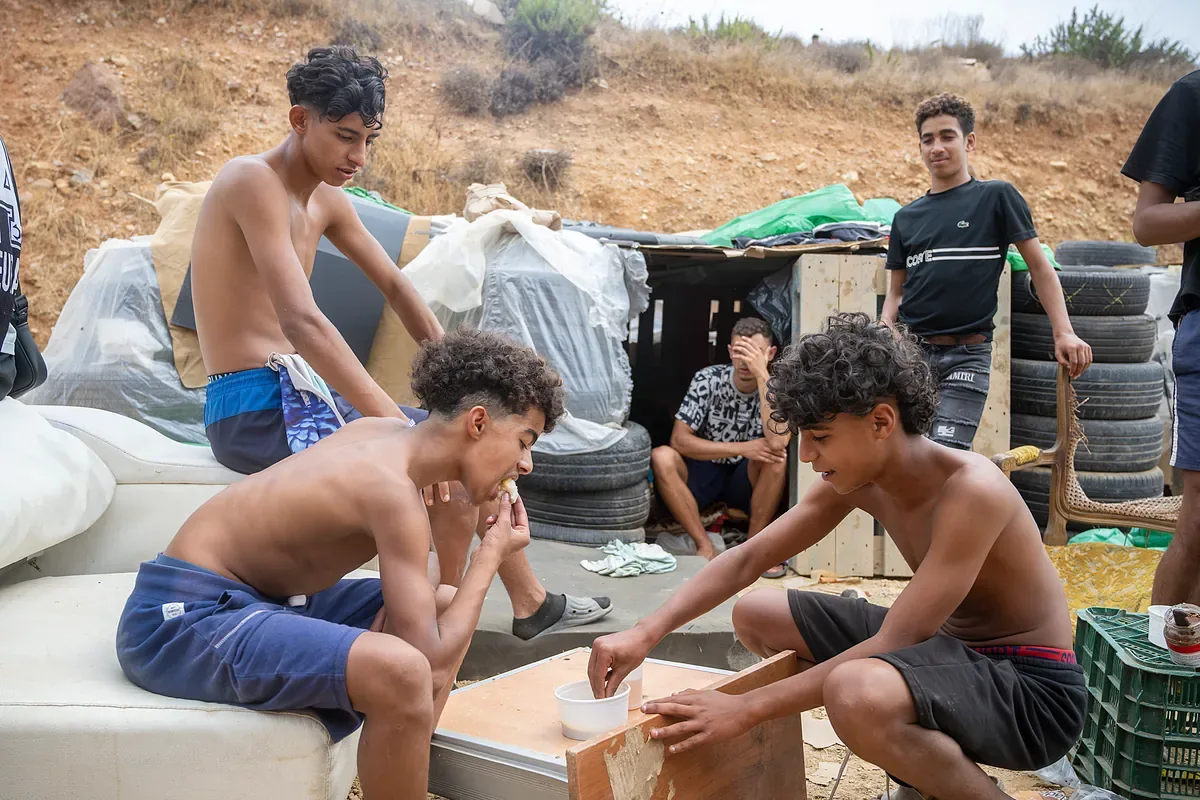









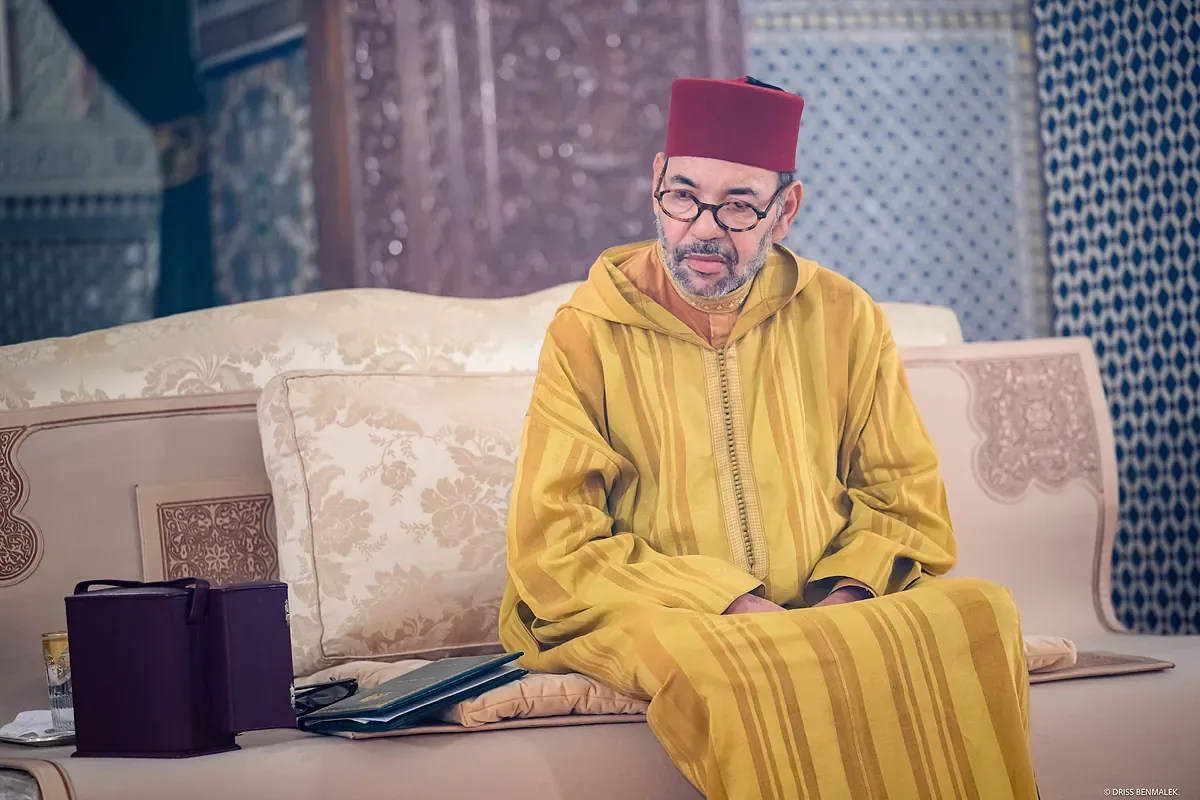
The Government of Morocco issued a response a few hours after the declassification of the papers showing that the CNI did warn of the possible mass crossing of people. In a statement released this Thursday, the Moroccan Ministry of Foreign Affairs, Nasser Bourita, not only avoids any responsibility of the Rabat authorities in the events, but also directs a particularly harsh message against the Spanish political parties and the judicial institutions investigating what happened.
Although the statement does not explicitly mention the Popular Party, the reference is difficult to dissociate due to its criticisms of Morocco’s actions and Pedro Sánchez. Rabat accuses “certain Spanish political and media sectors” of “instrumentalizing the Kingdom within an internal agenda” and especially attacks “historic parties” that, despite being “seasoned in government management,” would have fallen, according to the Ministry, into “this quagmire where unreasonable and populist overbidding prevails over common sense.”
The message also extends to the judicial sphere. Morocco regrets that “honorable legislative and judicial institutions err through unfortunate initiatives that fuel disagreement.” And it goes further by warning that “deviations, where good judgment gives way to simplism and objective analysis to accusation, are part of a fear strategy harmful to all.”
This is one of the most forceful parts of Rabat’s note, which thus turns the actions of Spanish institutions — including judicial ones — into one of the central elements of its response. The Moroccan government does not limit itself to defending its actions but questions the way in which Spain is addressing responsibilities for the migratory crisis.
The Moroccan Ministry of Foreign Affairs maintains that “no data, fact, or report establishes any involvement of the Moroccan authorities” and demands explanations from Spain about the maintenance of accusations against Rabat. “Why maintain accusations against Morocco, when no data, fact, or report establishes any involvement of the Moroccan authorities?” the statement asks.
Rabat also raises two other questions directly related to Spain’s management of the crisis: “Why are illegal migrants not returned, when the Moroccan government has officially committed to readmitting them?” and “Why are unaccompanied minors kept away from their families, when Morocco has insistently requested their return?”
The Ministry’s conclusion is equally significant: “The answer to these questions should not be sought in Morocco, but from the Spanish actors.”
The statement also arrives at a particularly sensitive moment for Morocco. The electoral campaign for the legislative elections begins precisely this Thursday, September 10, and will last until the 22nd, while the elections to the House of Representatives will be held on September 23. That is, Rabat faces the elections in just two weeks.
The proximity of the elections introduces an internal reading in the hardening of the Moroccan discourse on the migratory crisis and on Ceuta. The migratory issue and the relationship with Spain have an evident national dimension in Morocco, and the electoral debate itself has coincided with growing attention to the crisis of recent weeks.
In this context, Rabat tries to simultaneously preserve the architecture of its bilateral relationship with Spain. The statement recalls that both countries opted for a relationship based on “mutual respect, reciprocal trust, permanent dialogue, and the ambition to build a mutually beneficial partnership,” principles enshrined in the Joint Declaration of April 7, 2022, where Spain handed over the Sahara to the country, abandoning the traditional neutrality of the former colony.
Morocco also claims the results of that relationship and recalls that Spain is “Morocco’s main economic partner” and that the Kingdom is “Spain’s second trading partner outside the European Union.” It also highlights cooperation in security matters, including the fight against terrorism, criminal networks, and irregular immigration.
But, at the same time, it leaves an explicit warning to Spanish political leaders: “The Kingdom of Morocco does not accept being an electoral bargaining chip. Nor does it admit being the scapegoat for partisan score-settling.” The last sentence of the statement raises the tone even more: “Strategic blindness, for its part, will turn this capital into a source of chronic distrust and recurring tensions.”
Rabat turns the PP’s criticisms and the actions of Spanish institutions into a problem for the future of the bilateral relationship. All this while Morocco officially enters the electoral campaign and faces a ballot box appointment in which the issue of Spain, and especially the migratory crisis and Ceuta, has acquired growing relevance.
Read more The Ceuta crisis and the death of do-goodism: “It is the religion of idiots”