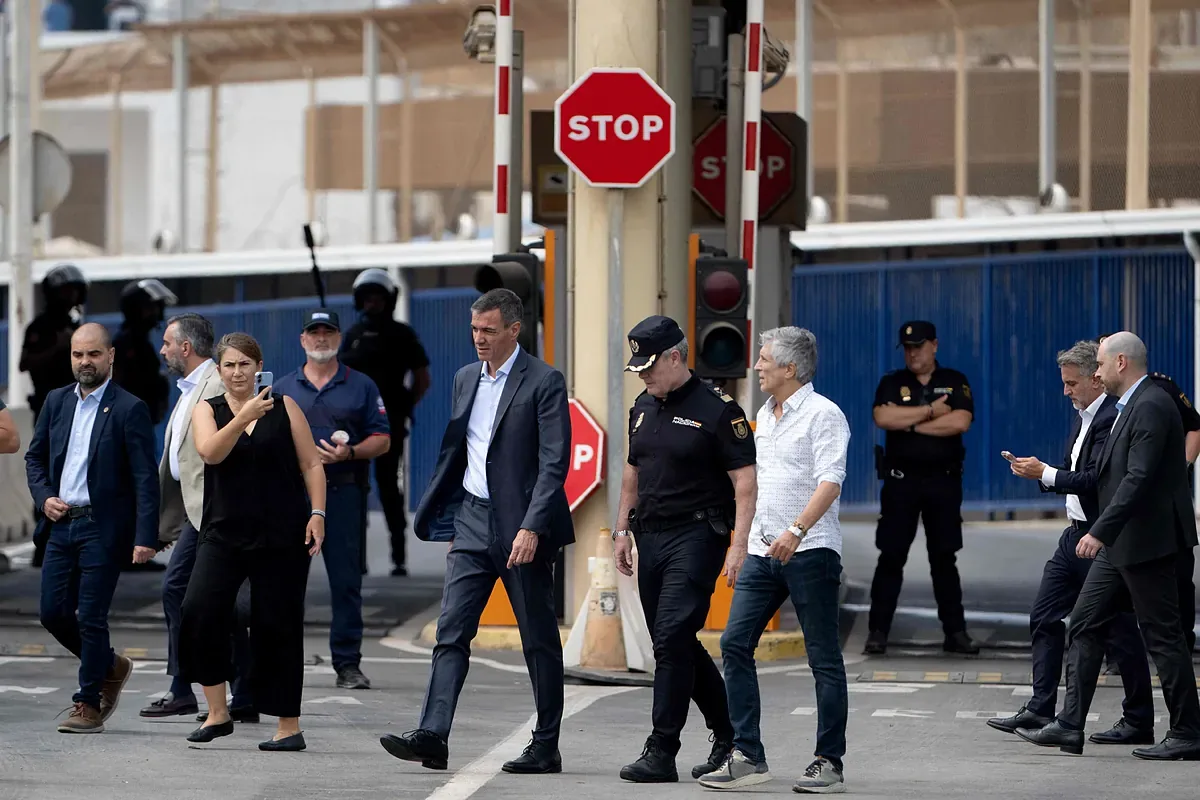






The border of Ceuta continued to be a sieve during the early hours of this Friday for thousands of people coming from Morocco. Despite the large presence of Army and Civil Guard forces at the border crossing on the Spanish side, the law enforcement forces have not acted at any time and 49,000 people have already entered by sea and land in the last 24 hours. The Government has assured, however, late in the morning, that 25,000 of them have already returned to Morocco.
Some of the immigrants, incredulous, greeted and thanked while running towards the city center and neighborhoods closer to the border, such as El Príncipe.
“I love Morocco!”, said a young man running as soon as he knew he was on Spanish territory. “But my country has to change. I love Spain!“, he added in front of several soldiers while continuing on foot towards the warehouses of the Polígono del Tarajal, the first area of Ceuta bordering Morocco.
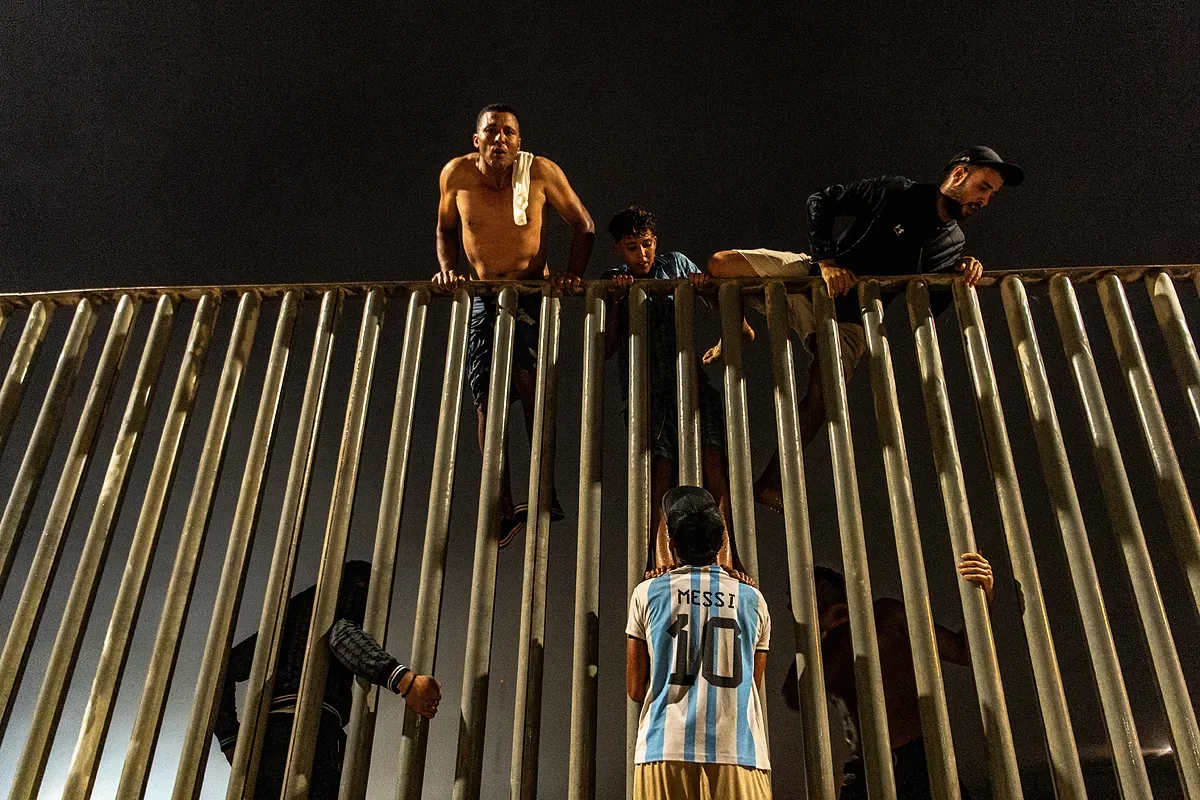
In the early hours, dramatic scenes were seen there, as some immigrants, not knowing which way to go, jumped walls about fifteen meters high that led to a street that could also be reached on foot.
Many of them asked if they were already in Spain or still in their country. They could not believe that, despite the significant security deployment ordered by the Spanish Government, they could have accessed so easily and without any opposition.
Although thousands continue to enter, a minority is returning along the same coastal stretch by which they accessed Ceuta. “It’s over, this has been a deception”, say several of them at the border gates.
Hundreds and hundreds of children spent the night on several streets of the Polígono del Tarajal lying on the ground, on cardboard, plastic, or the asphalt itself. One of them, Mohamed, 13 years old, from Tetouan, asked this reporter when the assistance services would give them something to eat or drink.
“My parents don’t know I’m here. I came with many friends,” he said. When asked if he wants to return to Morocco, he gave a resounding no. “Long live Ceuta, friend! I want to be Spanish like you. In my country there is only hunger.”
In that huge and unquantifiable group of minors were children from cities in the south of the neighboring country, such as Casablanca or Rabat. “We came by buses and collective taxis”, said Adam, 10 years old.
Chaos in Ceuta
The night has been chaotic in Ceuta. Hundreds of people have slept in parks, on benches, and at gas stations. Some thefts have occurred, according to complaints from neighbors and local press reports, although there is no official confirmation.
Thousands of Moroccans have wandered the city asking to charge their mobile phones, buying food in bars, or trying to exchange their money for euros, as many only carry dirhams, the official currency of Morocco. Some showed bleeding wounds and bruises on their feet, arms, and legs.
A young man barely 20 years old, with clothes still soaked, approached the journalist and showed the palm of his right hand. He had written with a blue pen the words “Loma Colmenar”. He is looking for someone in that Ceuta neighborhood. He says he will give him shelter. Seconds later, he leaves without saying goodbye, with a lost look.
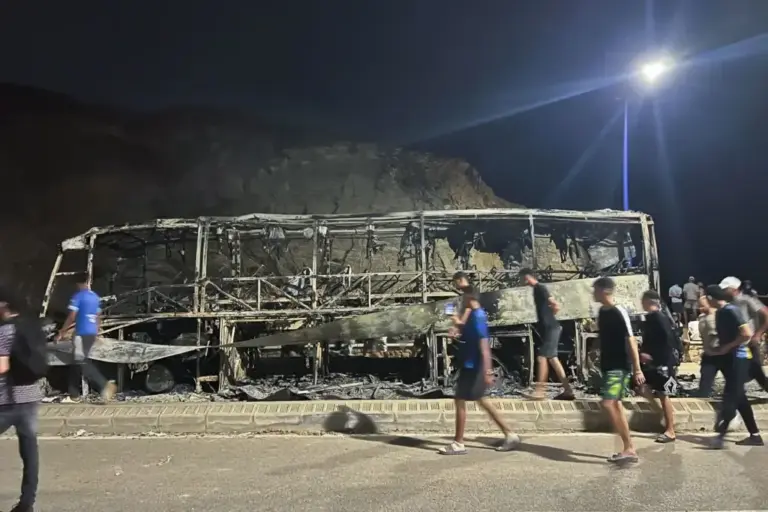
From the slopes near the border, several smoke clouds could be seen in Moroccan territory. It has been a night of disturbances in Castillejos. Several vehicles were burned and some coastal military control posts were assaulted, according to several residents of that Moroccan town consulted by EL MUNDO.
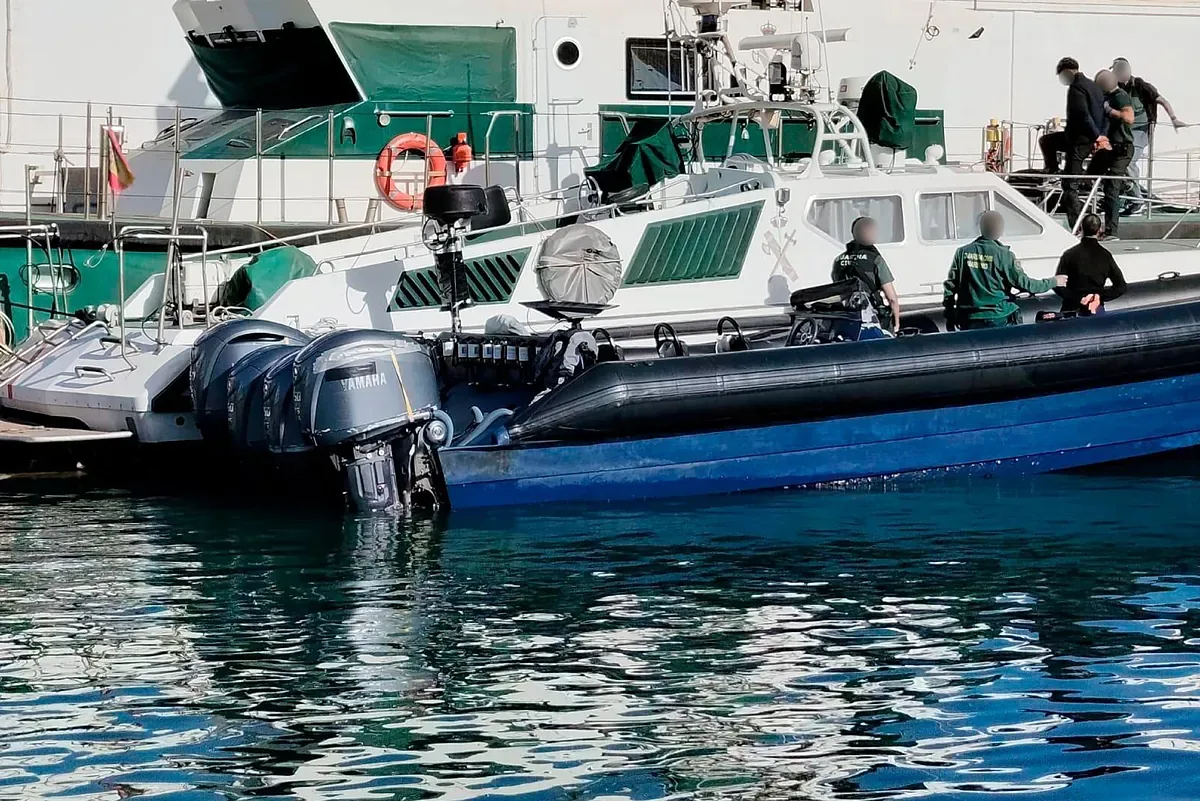
So far, the Civil Guard has already recovered the bodies of 19 immigrants who died trying to enter the autonomous city by swimming. At seven in the morning this Friday, a pair of Civil Guard divers were trying to find more deceased near the breakwater that divides both countries, surrounded by a sea of floaters. They had been abandoned by those who had already managed to touch Ceuta land.