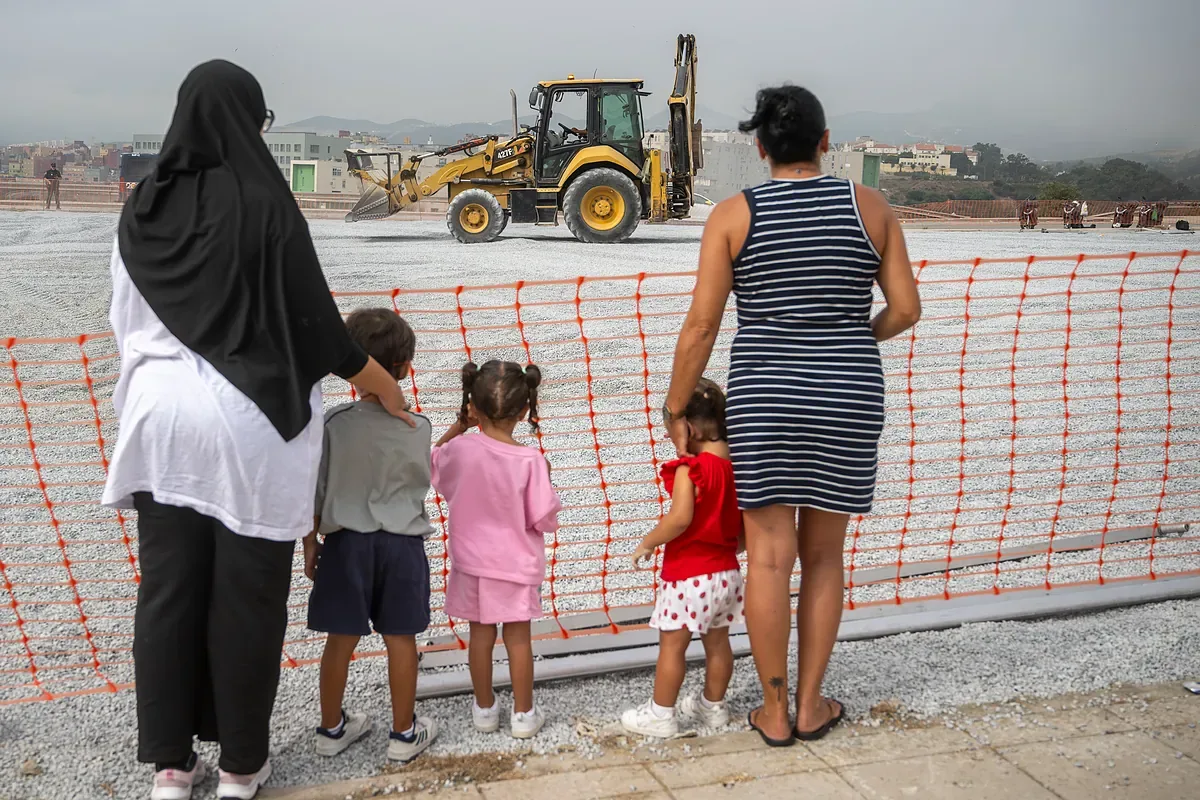




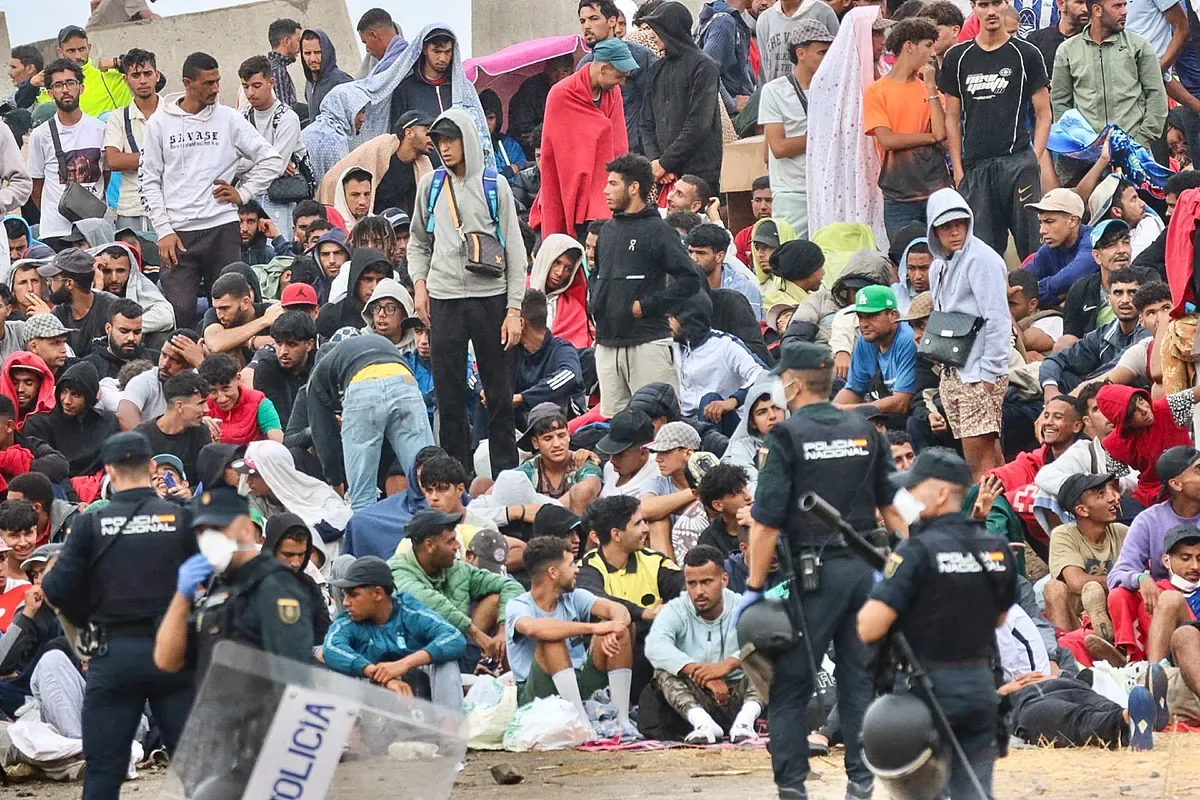
The Ministry of Health, led by Mónica García, has urgently convened the autonomous communities to supply vaccines to the thousands of immigrants settled irregularly in the autonomous city of Ceuta following the jump from Morocco starting July 30, in which about 80,000 people participated.
As EL MUNDO has been able to confirm, the Ministry of Health has called a meeting for next Monday, August 24, with a single agenda item: “Solidarity mechanism for vaccines in relation to the situation in Ceuta.” Sources consulted by this newspaper have specified that the department led by Mónica García, which has health responsibilities in Ceuta, intends to vaccinate the immigrants wandering around the city and provide them with the MMR vaccine as well as those that protect against diseases such as chickenpox, polio, tetanus, and diphtheria.
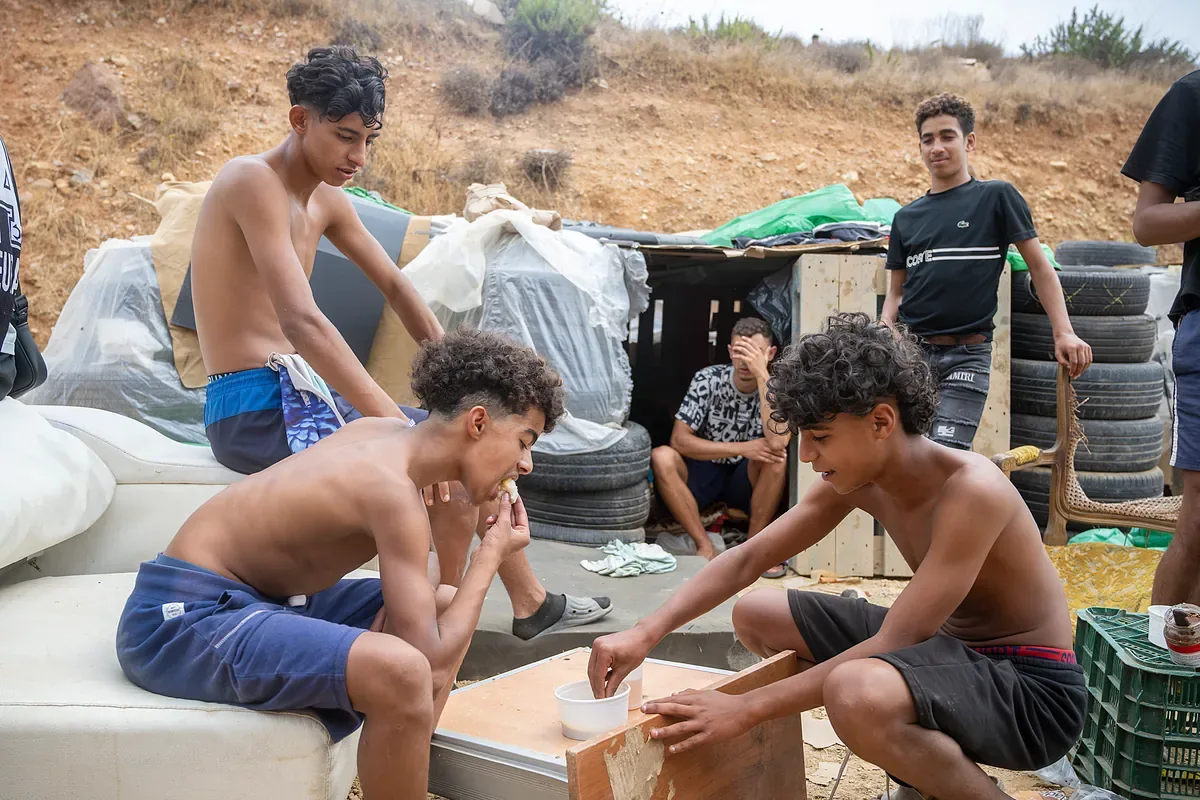
The meeting of Ministry representatives with community technicians about vaccines will take place almost a month after the avalanche of about 80,000 immigrants in the autonomous city, of whom about 72,000 were accepted back by Morocco. According to internal Police reports, of the 8,000 adults and children still remaining in Ceuta, there are 6,500 roaming uncontrolled through the autonomous city, reports Quico Alsedo. And, with each passing day, the hygiene and health conditions in which they find themselves worsen.
The meeting this Monday has been convened by Pedro Gullón Tosio, Director General of Public Health and Health Equity at the Ministry of Health. He calls on representatives of the Public Health Commission, which is part of the Interterritorial Council of the National Health System, and is composed of the directors general of Public Health of each of the 17 communities, autonomous cities, and Ministry representatives.
The department led by Mónica García intends for the communities to supply vaccines to immunize the immigrants still in Ceuta. “It is reported that on August 24 (Monday) an extraordinary meeting of the Public Health Commission will take place, which will be held in telematic format at 12:00,” says the message sent by the director general to the communities. In it, the senior Ministry official apologizes for the “urgency” of the meeting but clarifies that it is “important that we discuss it as soon as possible after the conversations we have had between Ceuta and the Ministry and the vaccine panel.”
Read more Alert in Ávila: fights and shootings force the southern area to be secured during the night
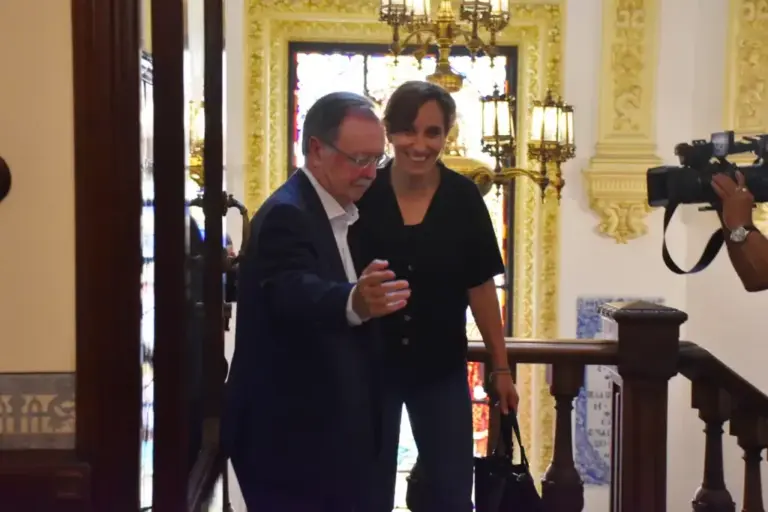
The president of Ceuta, Juan Jesús Vivas, has been demanding that the Government use the necessary means to tackle the migration crisis in the autonomous city and strengthen the staff of the Security Forces and also the health workers. Precisely Minister García, who traveled to Ceuta two weeks after the massive entry of immigrants, on August 16, then stated that in the city “there is no health collapse” because hospital occupancy is at 50%.
“We cannot talk about collapse, although there are places especially strained such as emergency, the internal medicine ward, and parts of the surgical wards,” she said then. There, she communicated the figures that outline healthcare: “In these 15 days, about 5,800 immigrants have been attended to, 3,500 in primary care, and 2,300 in the hospital. On the first day, about 1,195 were attended to, between primary care and the hospital.”
As this newspaper has been reporting, police unions such as Jupol have requested that medical tests be conducted on all national police officers upon their return from service commissions they are performing in Ceuta, due to the possibility that they may have been exposed to infectious diseases during the performance of their duties.
This request comes after an officer presented a first case of scabies after returning to Madrid from Ceuta, a situation that, according to Jupol, “must be investigated and addressed immediately” to rule out new infections and “determine if the prevention and protection protocols provided to the police have been sufficient.”
Read more An Amnesty Law against the Rule of Law and the judges