





Ceuta is far from normality. Almost a month after the massive entry of migrants from Morocco on July 30, the city remains trapped in a state of exceptionality that is pushing the State Security Forces and Corps to their limits and causing increasingly frequent episodes of violence. The latest example occurred in the early hours of last Thursday, when at 5:30 a.m. a group of between 30 and 40 foreign men ambushed four soldiers from the Grupo de Regulares who were heading to their usual surveillance point in the Benzú area.
They were patrolling in an unarmored vehicle. “They were not armed nor equipped with adequate protective gear,” notes a soldier stationed in Ceuta consulted by EL MUNDO. The soldiers were surrounded and received a shower of large stones against the vehicle, which was practically destroyed, to the point that they were forced to abandon it and flee on foot while still being pursued.
The four soldiers were injured and had to alert 112 to request help, which triggered an emergency operation involving the National Police and the Civil Guard and ended with 12 arrests, while other members of the group managed to escape. Additionally, another Army patrol moved to the location to support the operation, according to sources consulted by this newspaper. “All of us here are unprotected and abandoned,” concludes the soldier.
The episode again highlights the enormous pressure faced by the forces deployed in Ceuta, who must confront an extraordinary security situation with resources and working conditions that the professional organizations themselves consider insufficient. Military associations, including the Spanish Troop and Navy Association, have condemned what happened and demanded urgent protection measures from the Government for those deployed in the city in surveillance and support roles for the security forces.

The ambush on the soldiers is not an isolated incident. “We are abandoned. This is chaos,” one of the agents deployed in Ceuta tells this newspaper. Just a few days ago, a Civil Guard officer off duty was approached at dawn near the Muelle Cañonero Dato by a man of Moroccan origin who demanded money. When he refused and identified himself as an officer of the Armed Institute, five other people joined the assault and began to attack him with pushes, punches, and kicks. The man warned his attackers that he was going to call the Police, but the identification did not stop the assault: the group continued beating him until he finally fled toward the port area. Three suspects were initially arrested and later two adults were held in pretrial detention for their alleged involvement in the events. They are under investigation for crimes including assault on an authority agent, injuries, and resistance.
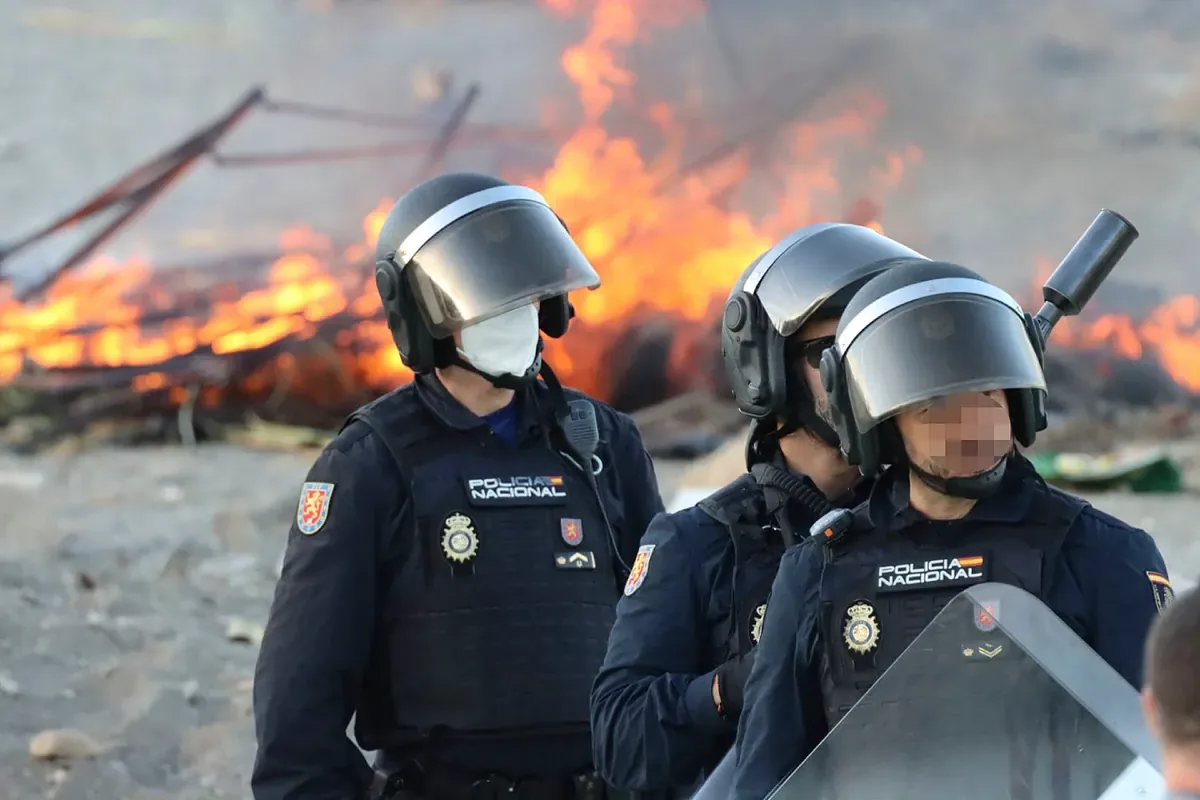
The assaults suffered in recent weeks by agents of the police units deployed to contain the crisis add to this situation that the agents themselves consider “extreme.” The groups of the Police Intervention Unit (UIP), the riot police, and the Prevention and Reaction Unit (UPR) – created in 2002 to reinforce street security and act quickly in urban incidents – have also suffered assaults and stone-throwing while doing their work in the streets of Ceuta. They complain about a lack of personnel to contain such a large migratory flow and to face stone-throwing, scratches, blows, and highly tense situations during their interventions. The National Police is responsible for citizen security in the city and does so, according to sources from the Corps, with a total of 190 riot police officers, 40 of whom are from Ceuta, so the reinforcement, in their view, “falls far short.”
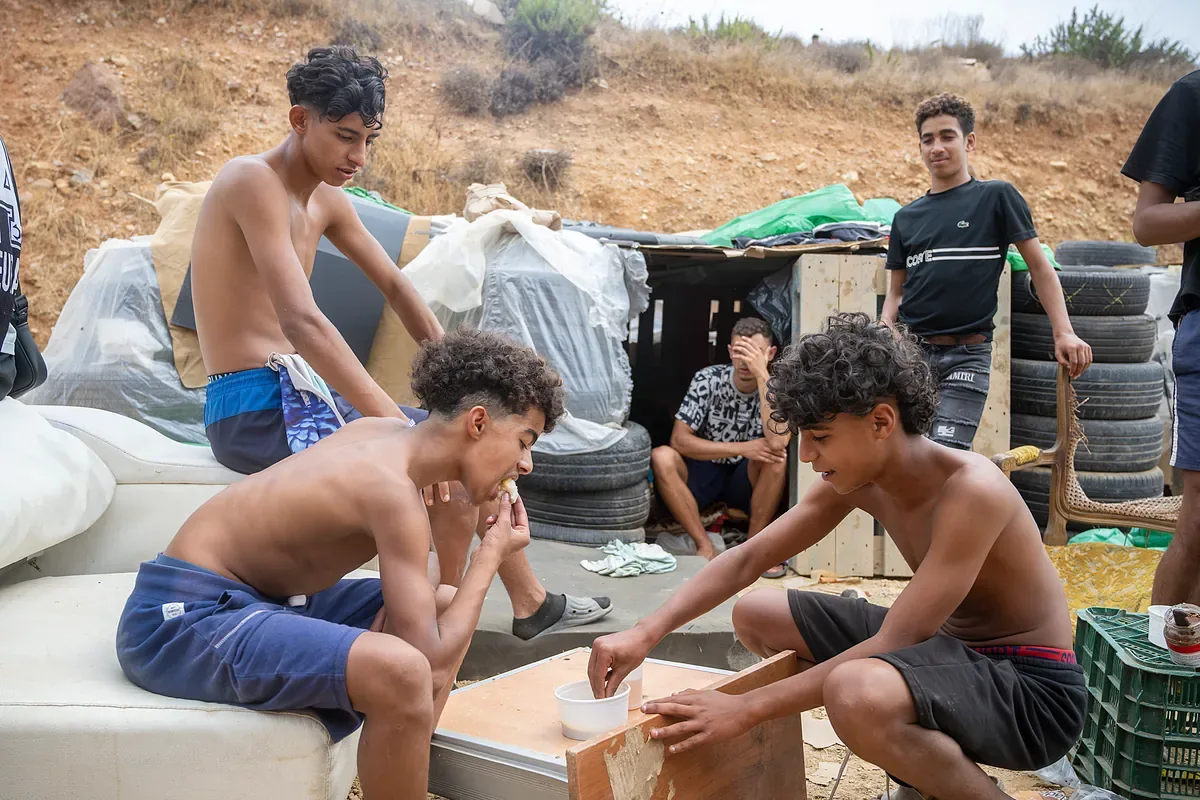
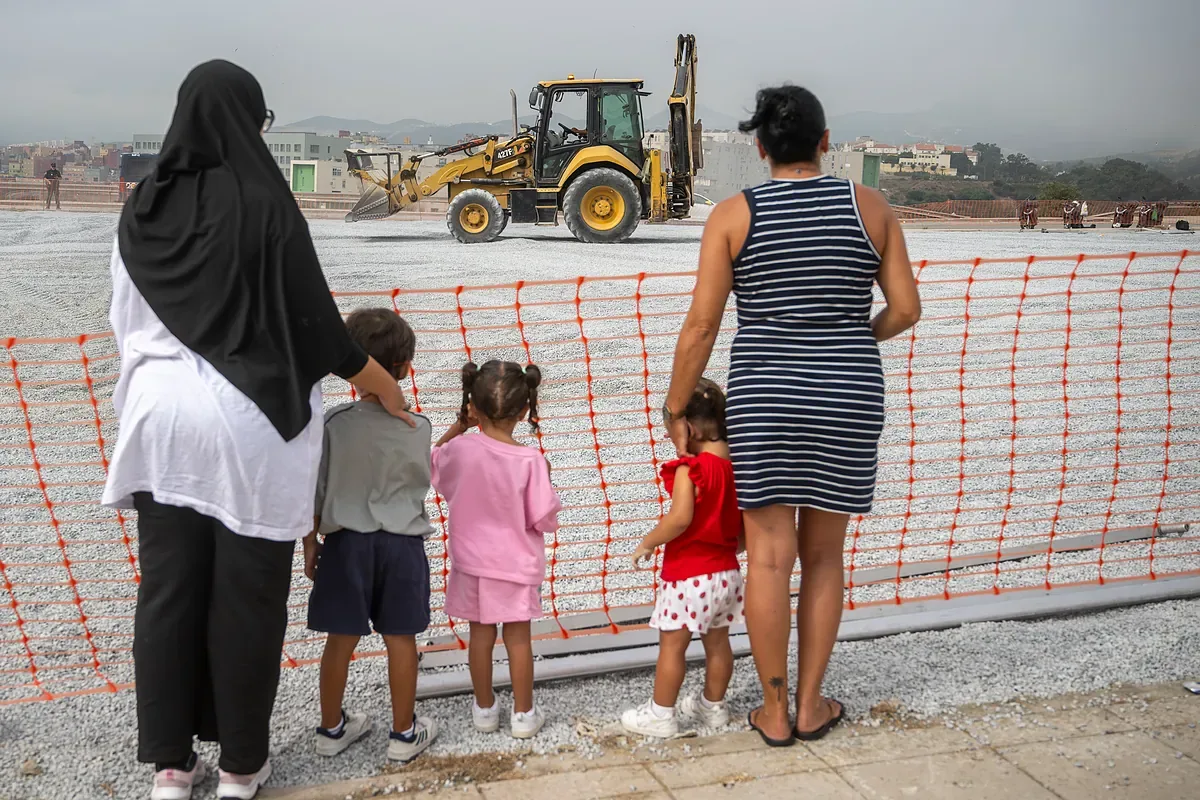
The result is a city where police officers, civil guards, and soldiers are under extraordinary pressure: they must simultaneously contain migratory pressure, monitor areas where newcomers gather, intervene in episodes of violence, and prevent the growing tension between part of the local population and migrants from escalating into larger confrontations. The image of four soldiers forced to abandon their vehicle and run to safety after being surprised by dozens of people is, by itself, a portrait of how much the situation has deteriorated.
And while the Government insists that resources are being mobilized to restore normality, on the ground unions and professional associations demand more personnel, better resources, and greater protection for those who are holding, on the front line, a crisis that a month after that massive entry is still far from resolved. “We are working under conditions that, frankly, are very difficult. We have been under enormous pressure for days, with intense shifts, sometimes more than twelve hours, and having to remain permanently alert to any incident. The most worrying thing is that assaults against us are becoming increasingly common,” details one of the UIP police officers.